Best Elastic Cord for Stretch Bracelets

Avoid jewelry elastic snapping, stretching, fraying & slipping knots!
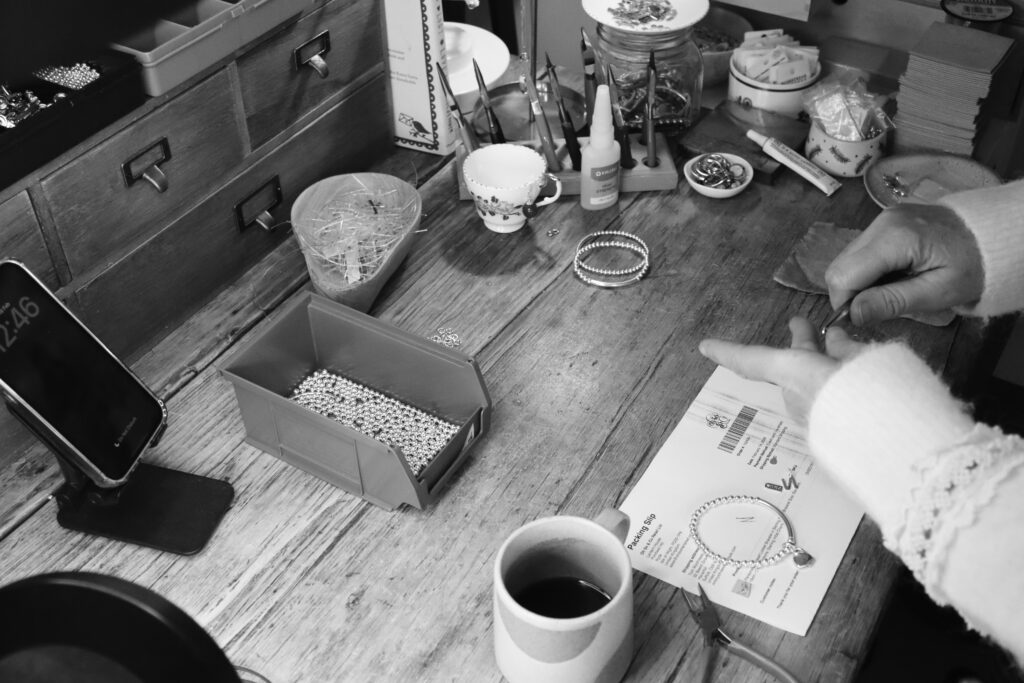
Cheap elastic was always the main reason my stretch bracelets snapped in the early days. But I quickly realised it wasn’t just the elastic, how I handled and finished each bracelet mattered just as much.
If you’d like a deeper dive into fixing the most common elastic cord issues (plus a free little download), I’ve gone into more detail here. But first, let me show you the elastic I personally use for my customer orders.
Reliable, high-quality elastic
Using a better-quality elastic isn’t just about durability – it’s about reputation to. Cheap elastic’s often snap, stretch out, or turn brittle within weeks, which is the fastest way for a customer to lose trust in your work. When you’re making stretch bracelets commercially, that’s the last thing you want. Reliable, high-quality elastic holds its shape, keeps the knots secure, and gives your bracelets the kind of longevity people remember. It’s one of the smallest upgrades with the biggest impact you can do.
what i use daily
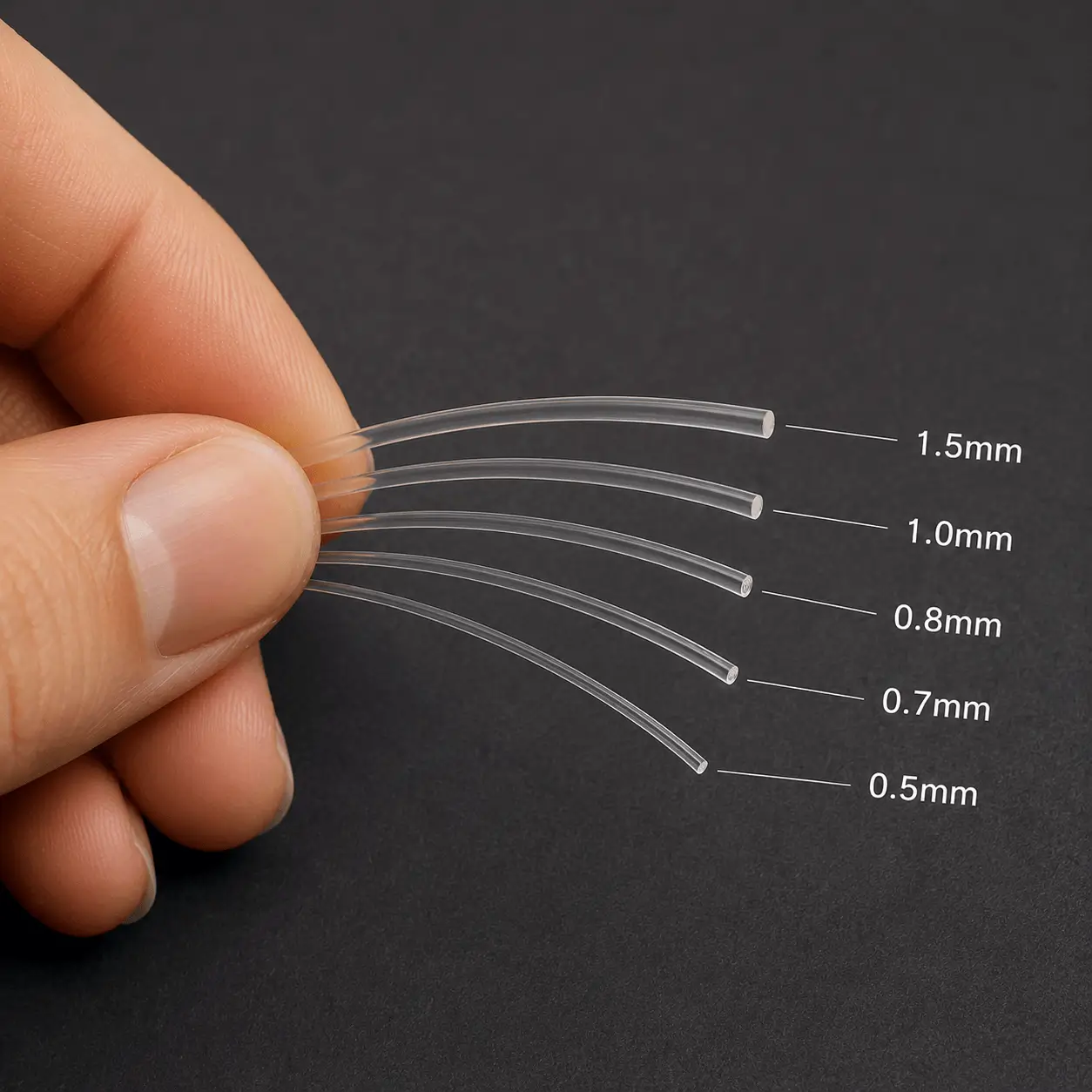
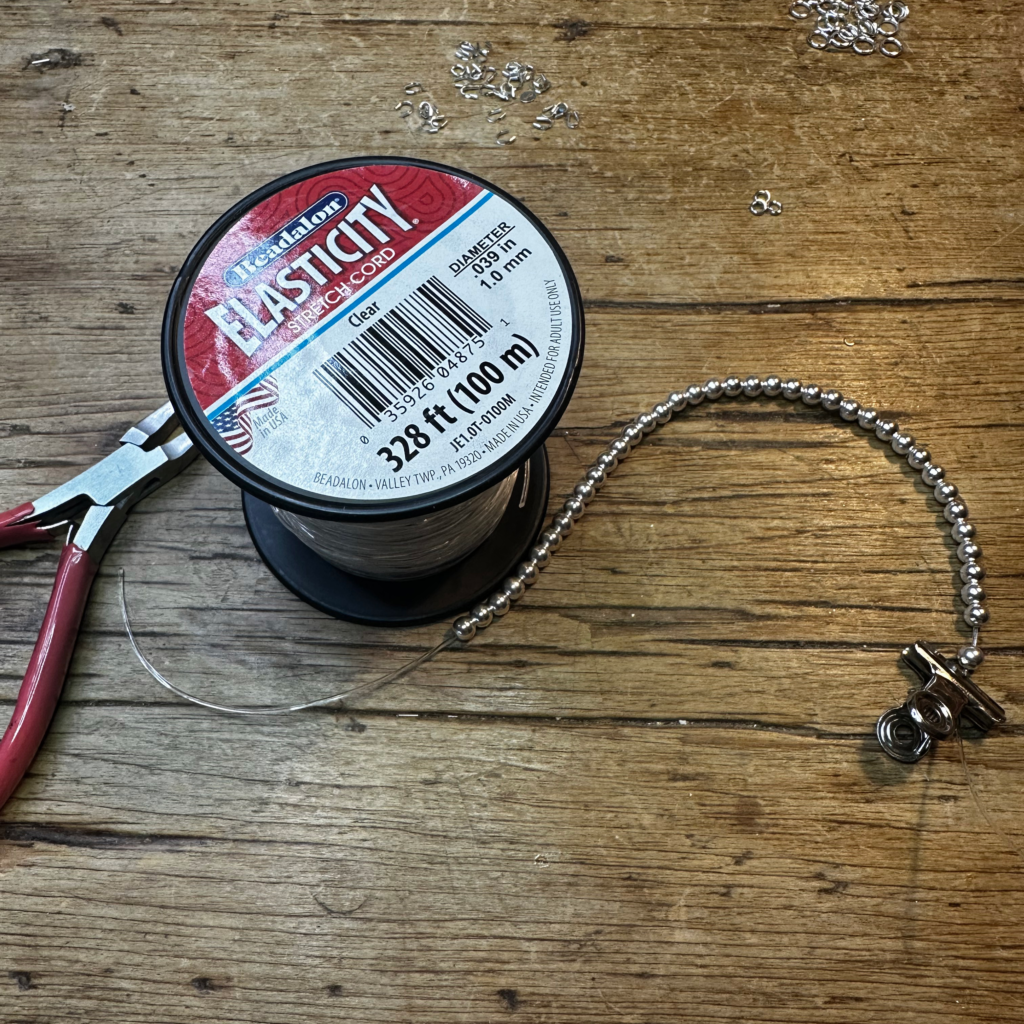
I personally use Beadalon Elasticity elastic for all my high-end stretch bracelets. For me it’s the best elastic cord for stretch bracelets which I highly recommend especially if your making chunky stretch bracelets, the 1mm is great for chunky. They have different size reels. 5 Metre to try it out, 25 Metre and a bumper 100 metre reel for those of us who get a little carried away. I tend to only use 0.8mm or 1mm thickness.
Floss-style elastic
Over the years, I’ve tried everything from cheaper elastics to well-known brands.
If your elastic starts to look fuzzy or frayed, it’s often because it’s made from lots of tiny strands twisted together (floss-style elastic). These gradually break down, weakening the cord until it eventually snaps.
Switching to a solid-style elastic makes a huge difference. It doesn’t fray and it’s far more reliable.
This is why I stick with the one I use, it’s strong, consistent, holds knots well, and once pre-stretched, keeps its shape without going baggy.
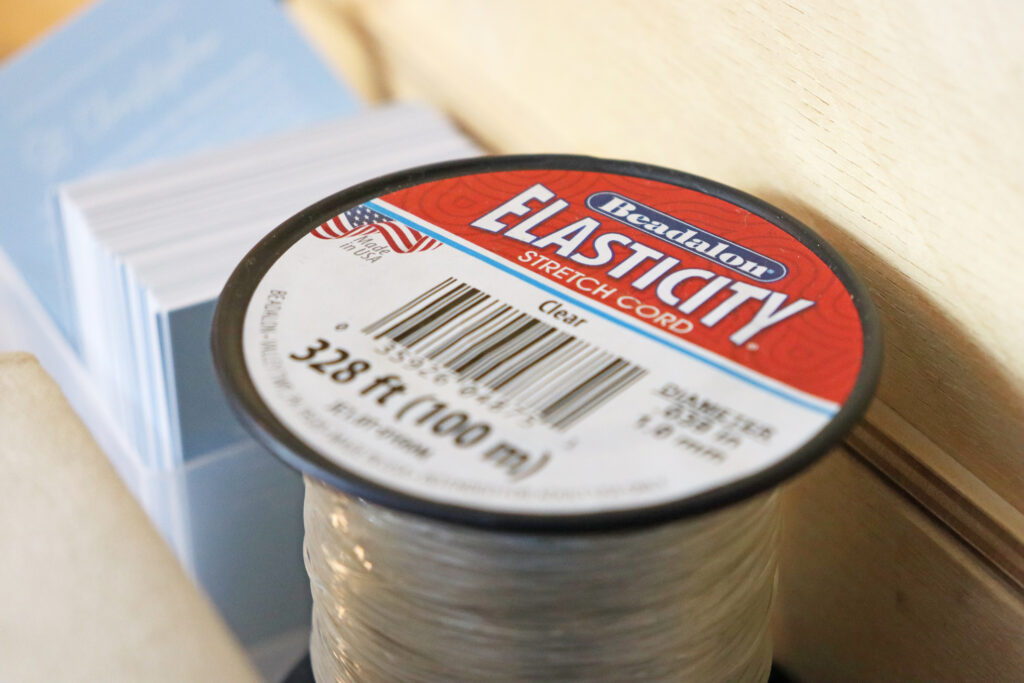
Investing is your materials is soooooooo important. Always try to buy the best quality you can afford. Because your finished pieces are only ever as good as the materials you start with.
Beadalon Elasticity do a small 5m reel, Why not give it a try and see how you get on with it.
FAQ’s
Why does my stretch bracelet feel cheap, even though I used expensive beads?
It’s often the elastic. Many beginners focus entirely on the beads, but the elastic plays a huge role in how a bracelet feels. If it’s too thin, the beads can wobble from side to side, making the bracelet feel loose and less substantial. Choosing the thickest elastic your bead holes will comfortably allow instantly gives a bracelet a firmer, more professional feel.
Should stretch bracelet elastic feel tight before I tie it?
No. The elastic should be stretched slightly while you’re tying the knot to remove any slack, but it shouldn’t be pulled so tightly that the bracelet is already under tension before it’s even worn. Overtightening the elastic during assembly can shorten its lifespan.
Can I mix different bead sizes on the same elastic?
Absolutely. Just remember that the smallest bead hole determines the maximum elastic thickness you can use. If you’re combining 4mm and 8mm beads, you’ll need an elastic that comfortably passes through the 4mm beads first.
Why does my bracelet lose its shape after a few weeks?
This usually comes down to one of three things: poor-quality elastic, elastic that’s too thin for the weight of the beads, or the bracelet being overstretched every time it’s put on. Choosing a quality elastic and using the correct thickness of stretch elastic will help your bracelet keep its shape much longer.
Is it better to use slightly thicker elastic or slightly thinner elastic?
If both sizes fit through your beads comfortably, I’d almost always choose the thicker option. It creates a firmer bracelet, reduces bead movement and generally feels much more luxurious when worn.
Does bead hole size matter more than bead size?
Surprisingly, yes. Two 8mm beads can have completely different hole sizes depending on how they’re manufactured. I always choose my elastic based on the hole size first, then consider the bead weight second.
Can stretch bracelet elastic become brittle with age?
Yes. Even the best elastic won’t last forever. Heat, UV light, body oils and constant stretching all gradually weaken the material, it becomes soft. If a bracelet is several years old and worn regularly, it’s often worth replacing the elastic before it fails.
Should I buy one good elastic or lots of different brands?
I’d recommend finding one quality elastic that you trust and learning exactly how it behaves. After making thousands of bracelets, I’d much rather know one elastic inside out than constantly switch between brands that all stretch and knot slightly differently.
Keep Stretching!

related reads
Stretch bracelet troubleshooting
Why Some Stretch Bracelets Look Professional (And Others Don’t)
Best pliers for beginner jewelry makers
Best Glue for stretch bracelet knots

Heads up! – I’ve included Amazon affiliate links in this post. If you choose to buy the same products as me through them, I may earn a teeny weeny commission (no extra cost to you though).