Crimp covers on elastic – yes or no?

Knot Hiding Techniques That Elevate Your Jewelry
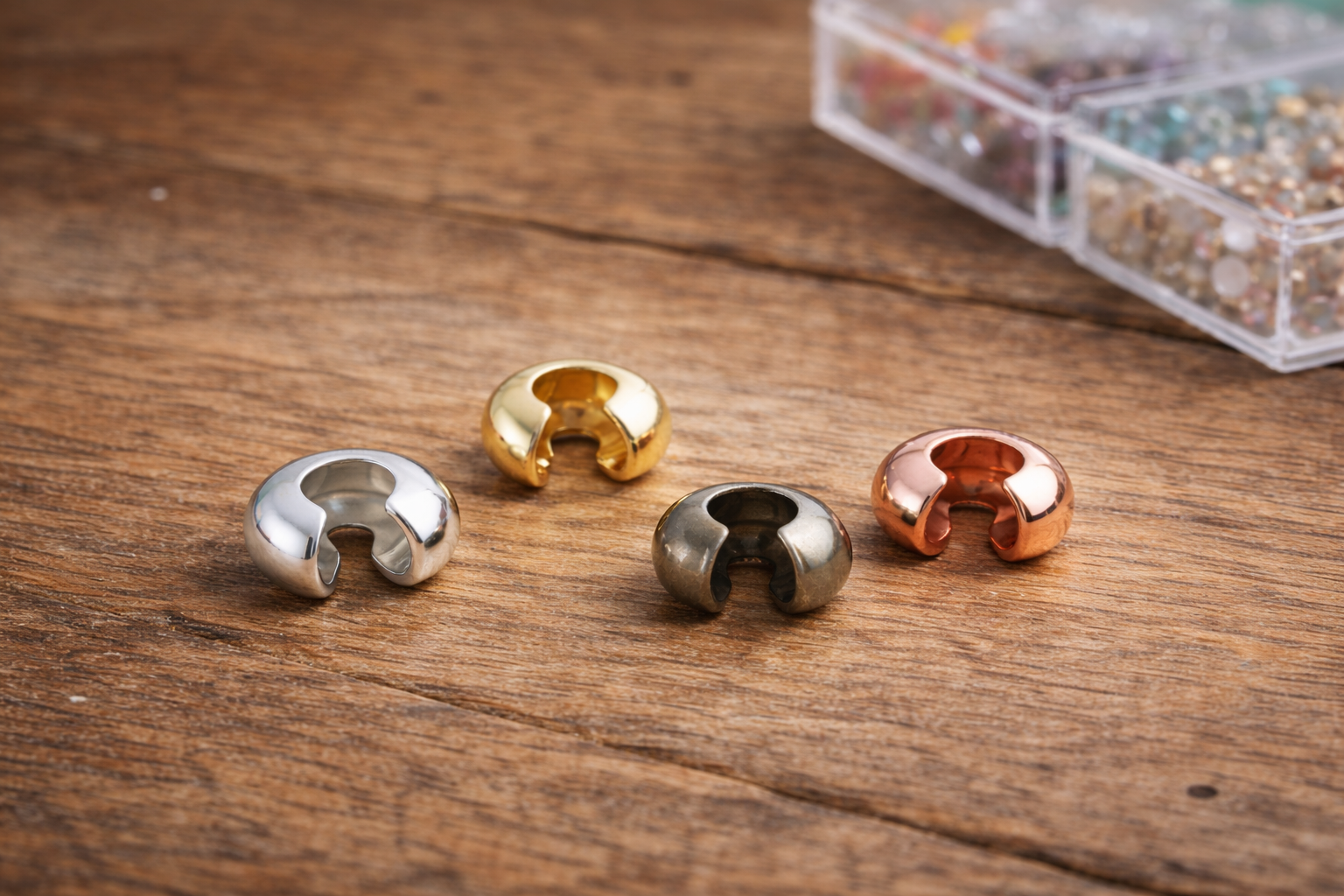
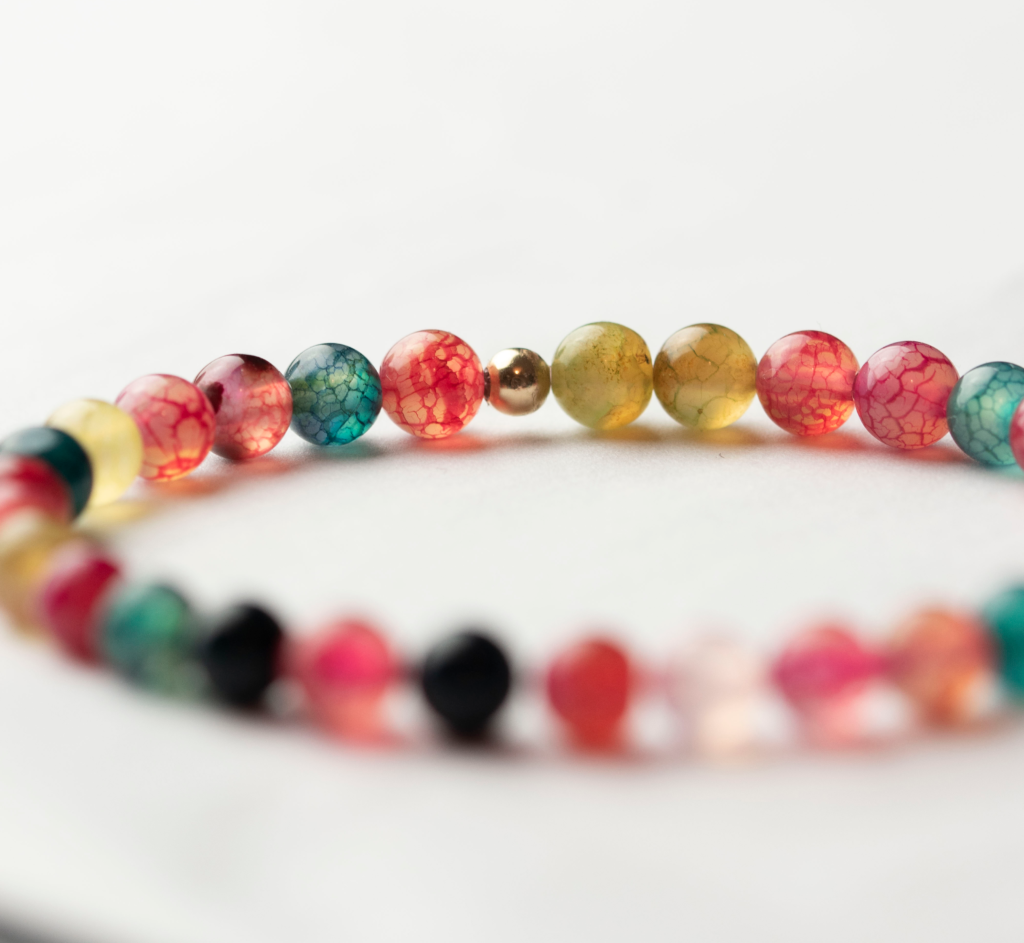
Crimp covers on elastic bracelets can be a little… controversial 😬.
Some makers swear by them to hide their elastic knots. Some makers wouldn’t go near them (and I can feel you shaking your head at me now).

So what’s actually right?
Firstly, what is a crimp cover and what does it do
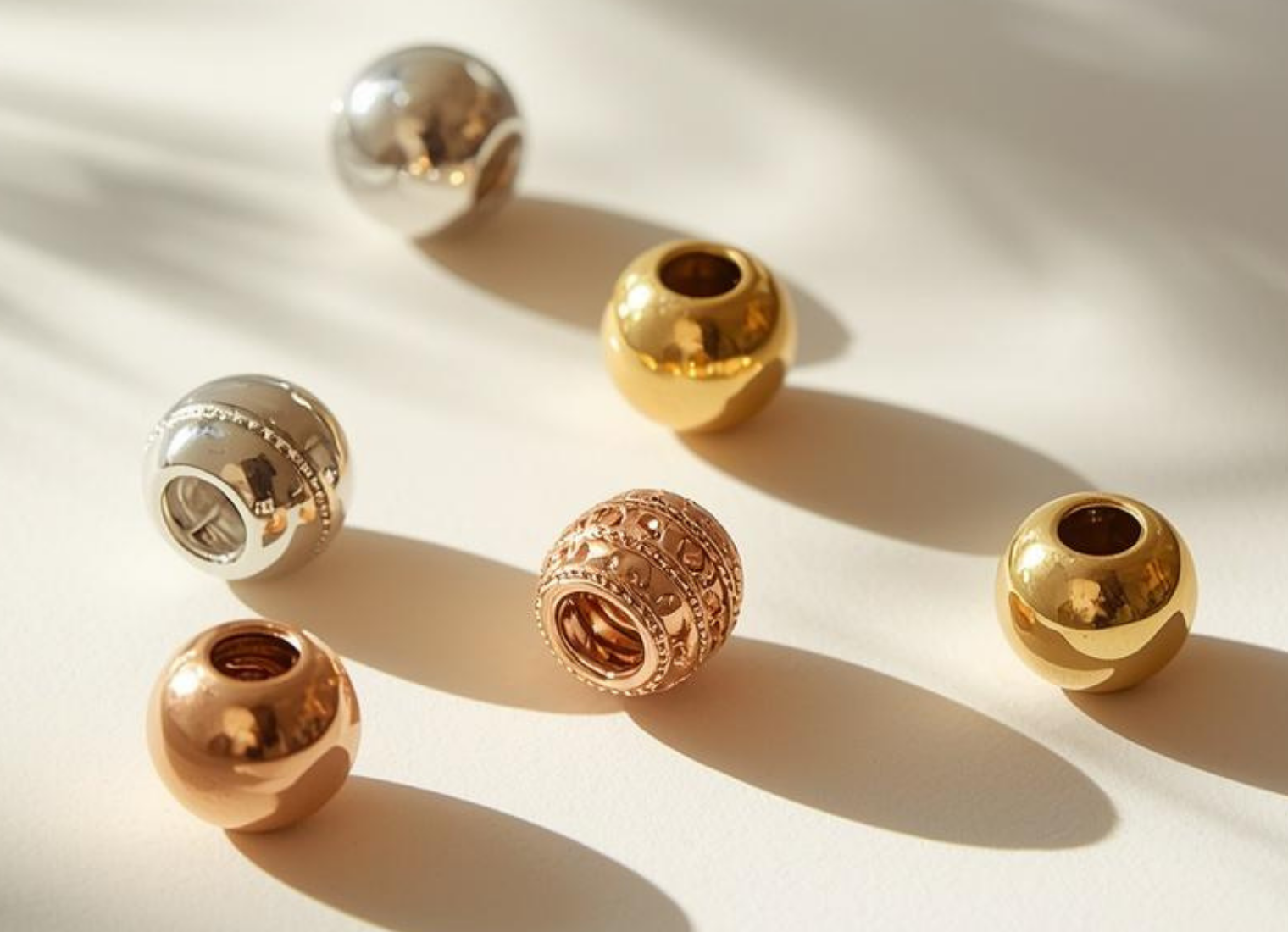
A crimp bead cover is a small, hollow, C-shaped metal finding used to conceal flattened crimp beads in jewelry making, giving pieces a professional, polished look. They hide unsightly crimps, protect the skin from sharp edges, prevent snags on clothing, AND can also cover knots in elastic or thread.
One concern you’ll sometimes hear is that the crimp cover metal edge could wear against the elastic over time and snap the elastic.
The key is fit. Your crimp cover should sit comfortably over the knot, large enough to enclose it, but not so tight that it compresses or stresses the elastic.
When the cover is properly fitted and closed with care, there’s no reason it should damage the elastic.
One final detail, I always choose sterling silver crimp covers (a softer, more forgiving metal) or well-made gold filled options. Quality makes all the difference here, both in how they close and how they wear over time.
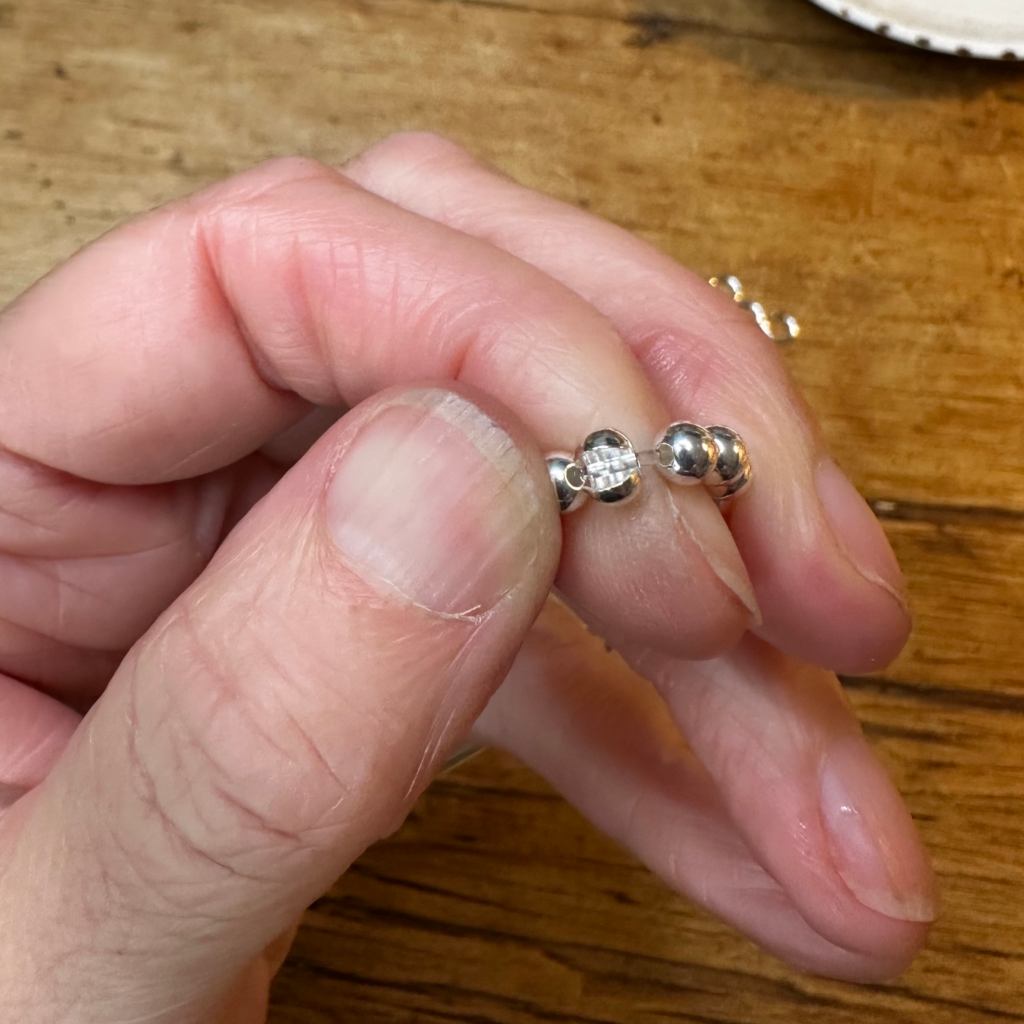
When do I use them myself
Just to give you background. I make…posh stretch bracelets in my business. £50+ stretch bracelets. I use fine metals, sterling silver 925, gold filled or even 9ct gold.
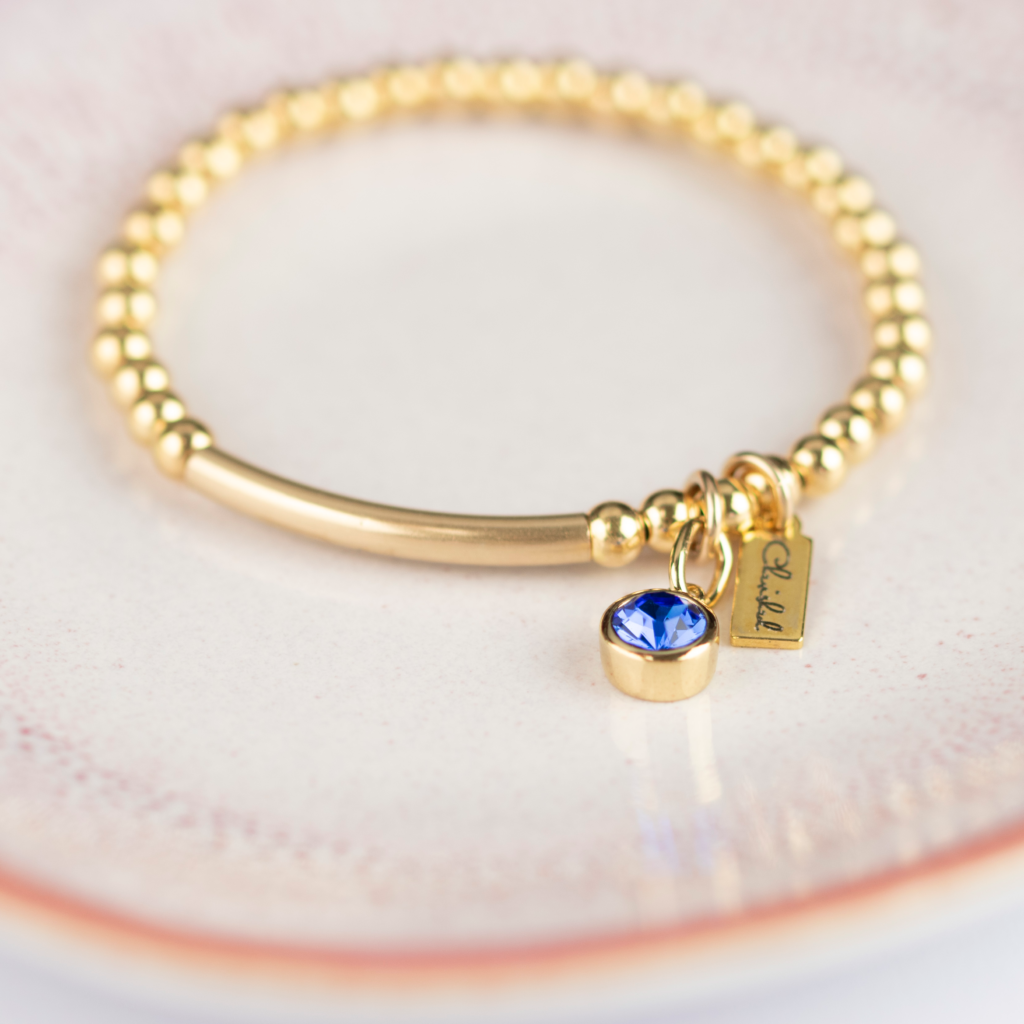
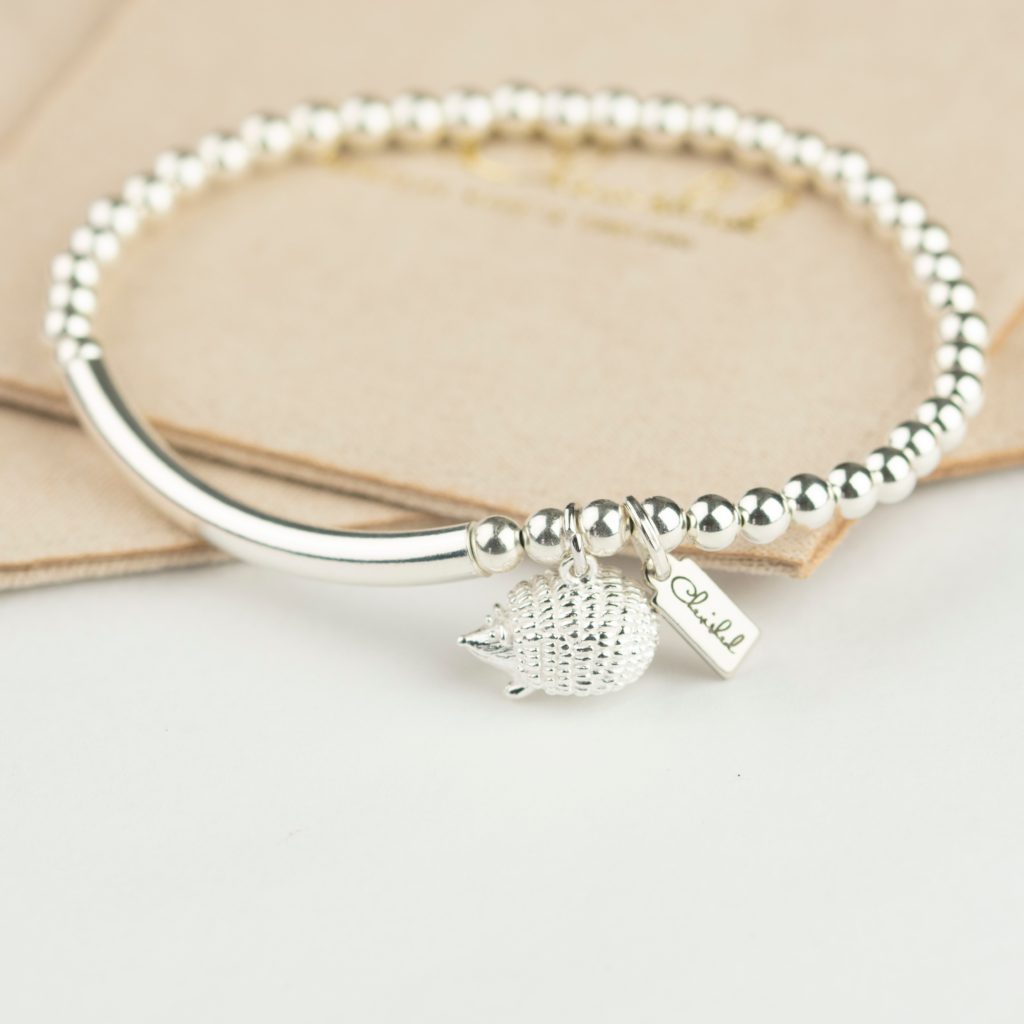
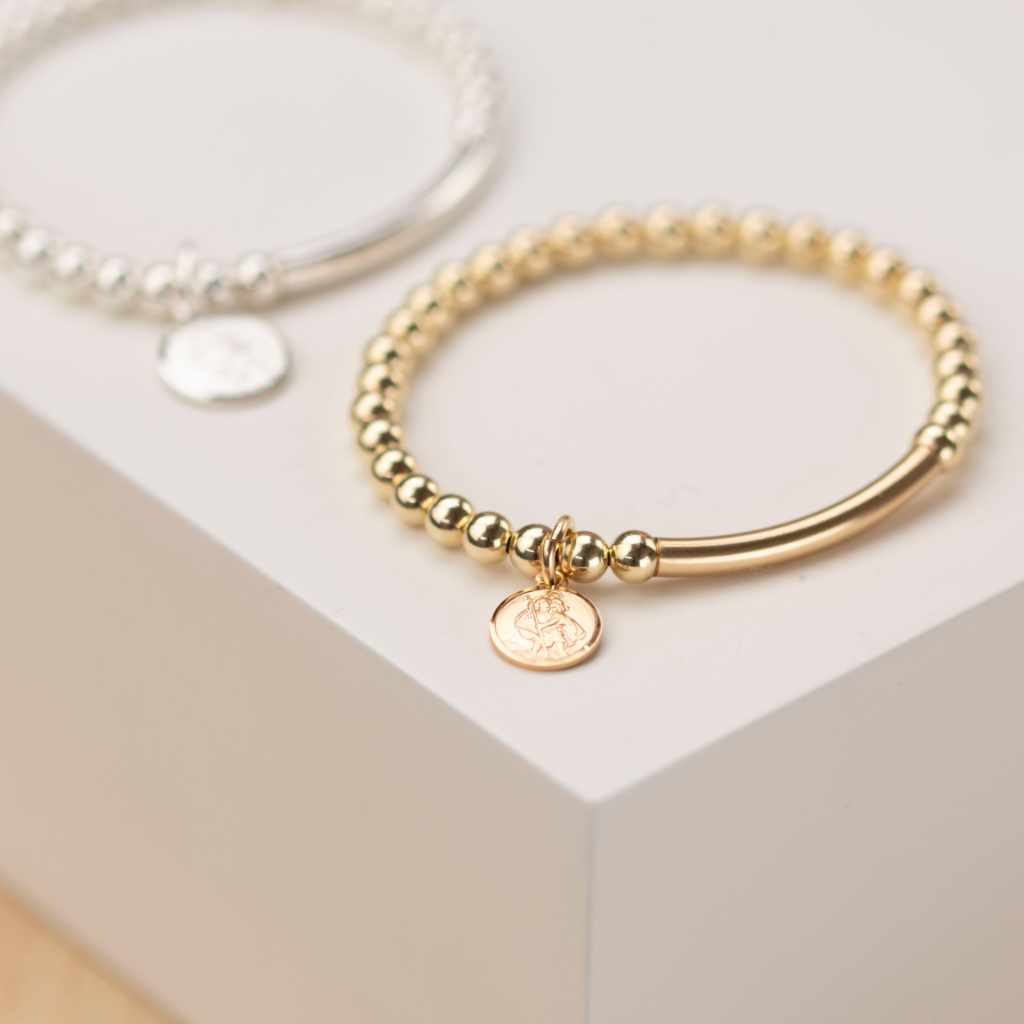
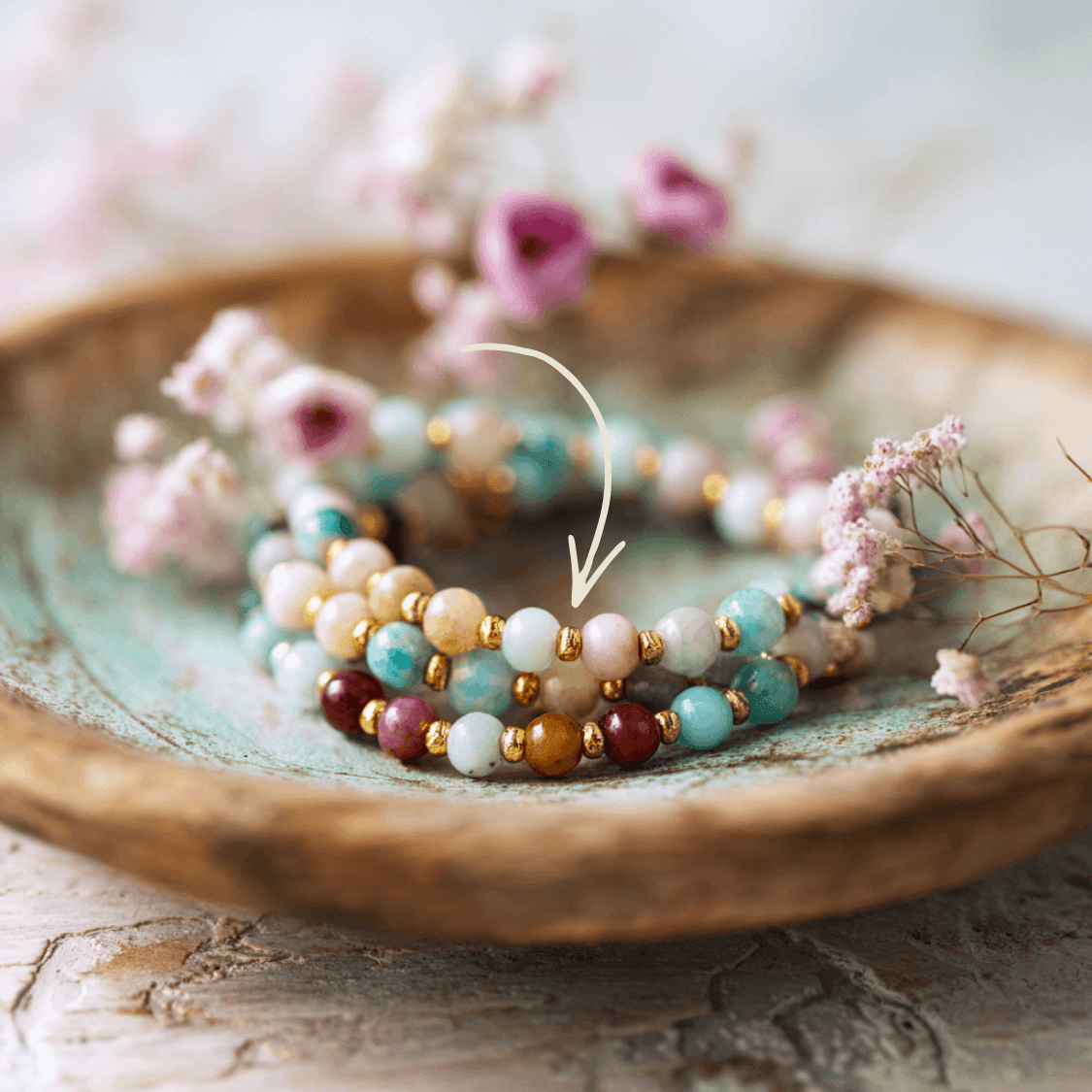
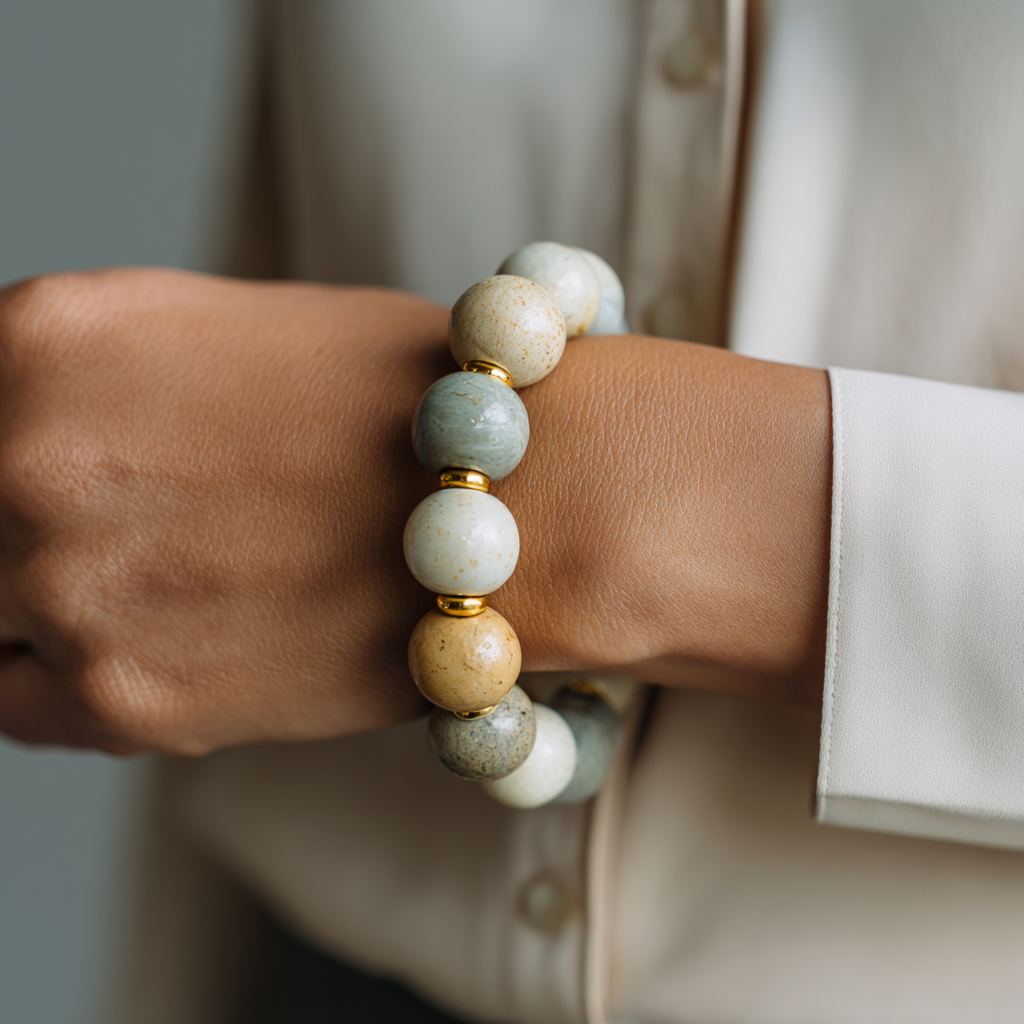
In my own production (usually 15–20 bracelets a day, and up to 40–50 when things get a bit lively), I always use crimp covers, but very deliberately. I build them into my design so you’d rarely clock them as a crimp cover at all. The bracelets in the images above all feature them, but not to hide the knot, that’s tucked inside the tube. I add crimp covers to tighten up the bracelet after knotting.
I do have two non-negotiables though: the cover mustn’t be too tight, and I stick to good-quality sterling silver/gold filled covers. They’re more expensive, yes, but in my experience they’re far more smoothly finished and behave much better over time.
A couple of things to double-check:
- The correct size crimp cover is used for your knot
- Your knot is glued and fully dry (overnight)
- You’re using good quality elastic, I use Beadalon Elasticity Elastic
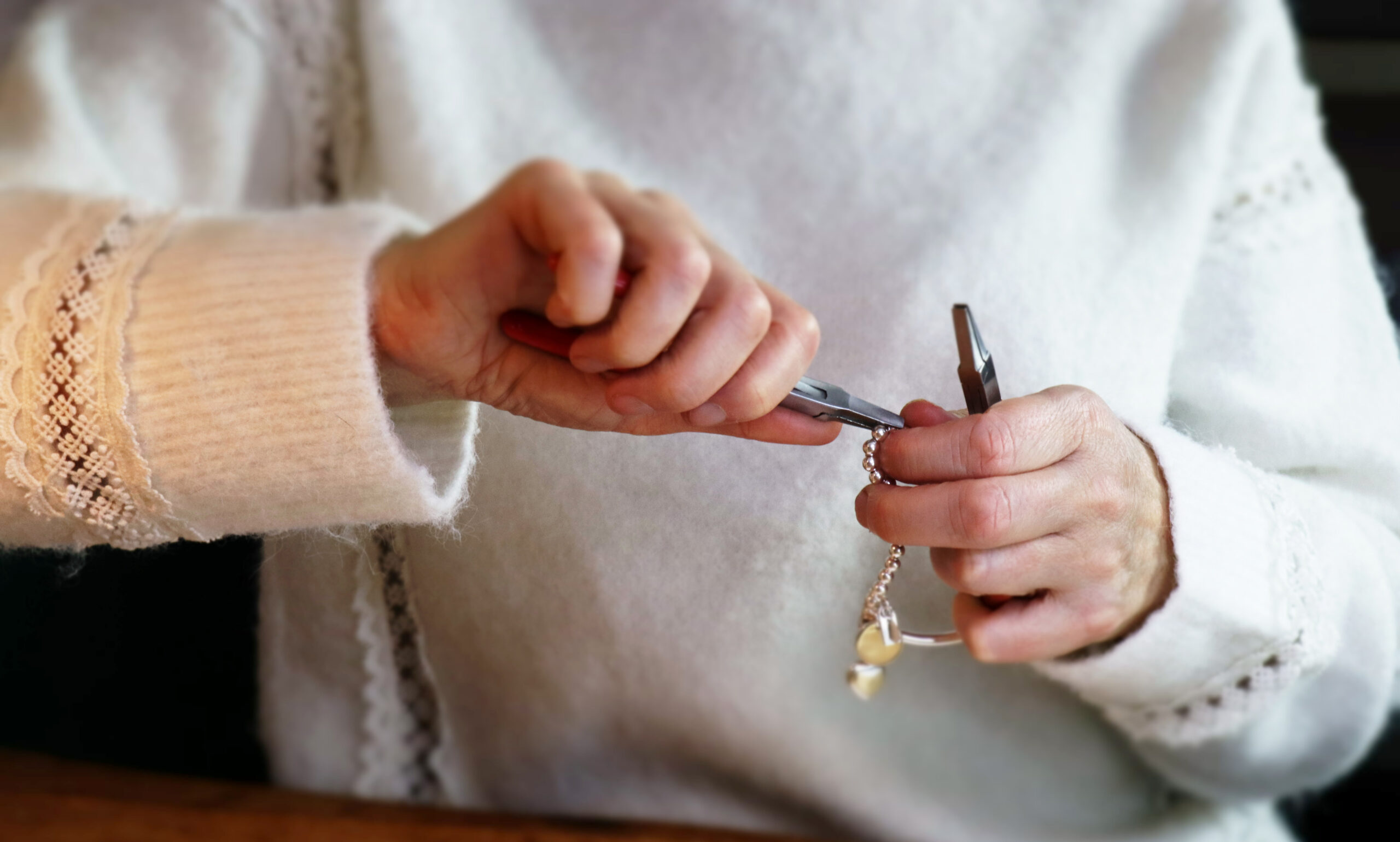
- Gentle closure (I use square nose pliers) and the bead looks beautifully round after closing.
When you should skip them
- If using cheap or fine elastic
- When using very heavy weight beads as the load on the elastic is more already
Final little check
- Always choose a cover slightly larger than your knot
- Never use on thin elastic
- Always opt for quality over quantity when buying crimp covers
- Never force it closed
- Close gently and evenly so always looks round, not scrunched
- If in doubt – skip it!
Truthfully, there’s rarely one fixed rule in jewellery making. It’s just what works for you. If you want to give crimp bead covers a go practice with these metal crimp covers here, and when you are feeling more confident try opt for the more expensive sterling silver crimp covers here.
If you’re curious how I personally finish my stretch bracelets (knots, glue and all), you can see my full process here.



Thanks so much for this timely post – I’ve been curious about exactly this for a little while now. What would be considered “thin elastic”?
Thanks & love your blog!
Nancie
Hi Nancie,
Thanks for your message.
I don’t go below 0.8mm elastic, I mostly use 1mm though.
I hope that helps!
I’m so glad you love the blog
Have an amazing day 🥰
Sarah
Thank you for the info on crimp covers for elastic bracelets. The thought came to mind.
No worries Millie, I’m glad it was useful!
Sarah 🤗