Where Do I Buy My Jewelry Supplies?

Go from hobby to wholesale
For close to twenty years, jewelry has been my daily joy. I started small, built a brand piece by piece, and learned a huge amount along the way about materials, jewelry suppliers and the whole buying process. My buying/sourcing journey has taken me afar, from tiny specialist workshops here in the UK to large international jewelry trade shows, always, always chasing quality and reliability.
I do remember what it’s like when you’re just starting out with jewelry making – wishing you could click your fingers and instantly find the right wholesale jewelry suppliers. Even now, after years as a professional maker, I still need reliable alternatives for those moments when a supplier lets me down. That’s exactly why I want to offer something of real value to help you on your own maker journey.
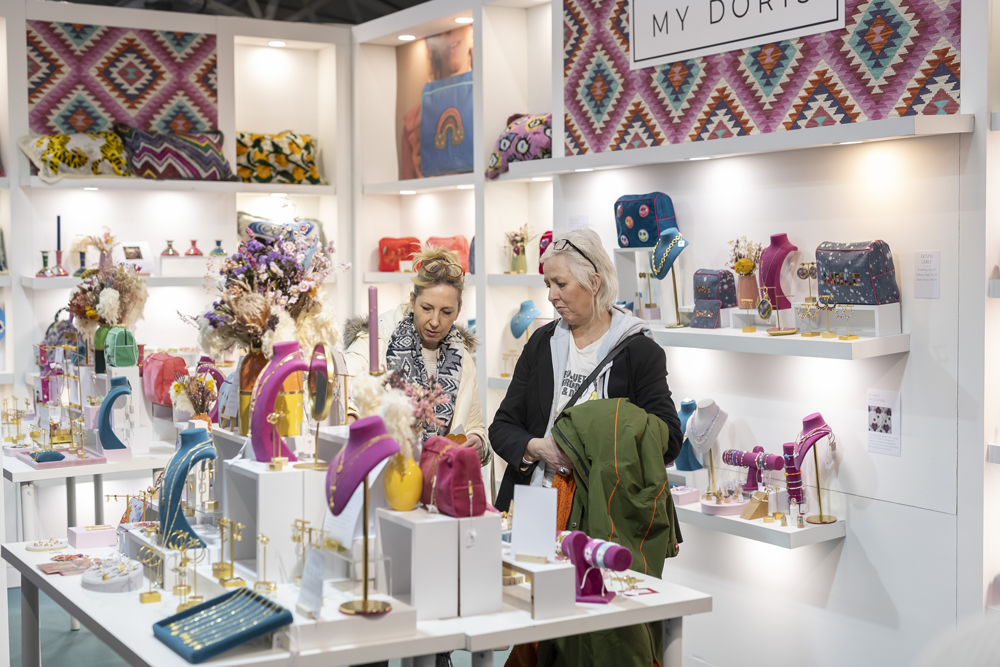

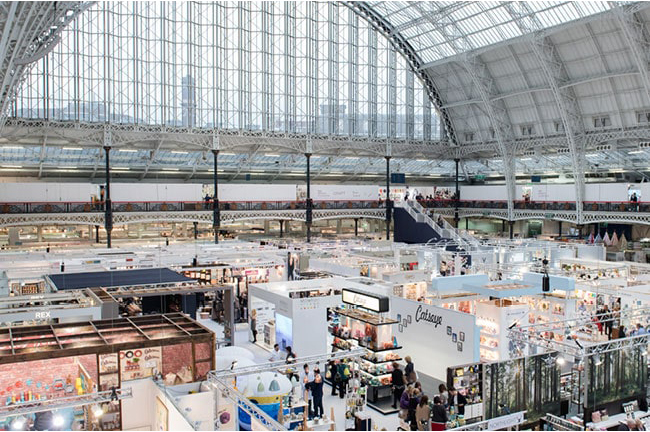
Good suppliers are actually quite hard to find (much like husbands). But, once you got them they help you keep quality high, lead times short, profits healthy, and customers genuinely happy. I’ve tested more clasps, chains, beads, tools, and findings than I could ever count to find mine.
Whether you’re just starting with small orders and experimenting, or you’re growing and looking to add to your own supplier database, I’m hoping I can help you build foundations you can rely on and maybe give you a few little tips to take away. Materials really matter, Makers – don’t let the wrong wire ruin your masterpiece! 🤗
Jewelry suppliers for beginners & hobbyists
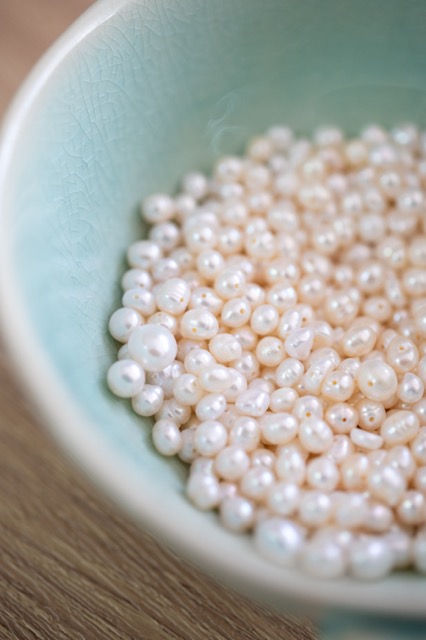
When you first start making jewelry, it’s natural to pick up supplies from the high street or retail sites like Amazon, Hobbycraft or even Walmart. They offer quick access and plenty of choice, which is ideal in the beginning when you’re testing ideas and finding your style. Just keep in mind that these retail options are usually more expensive per component just because they are ‘retail’, they often focus on plated components and hobby-grade materials. They are great as a starter! – but they’re not where you’ll usually find higher-end metals, stronger findings, or chain you would feel confident selling on. Saying that Makers, I still buy certain components from Amazon ☺️
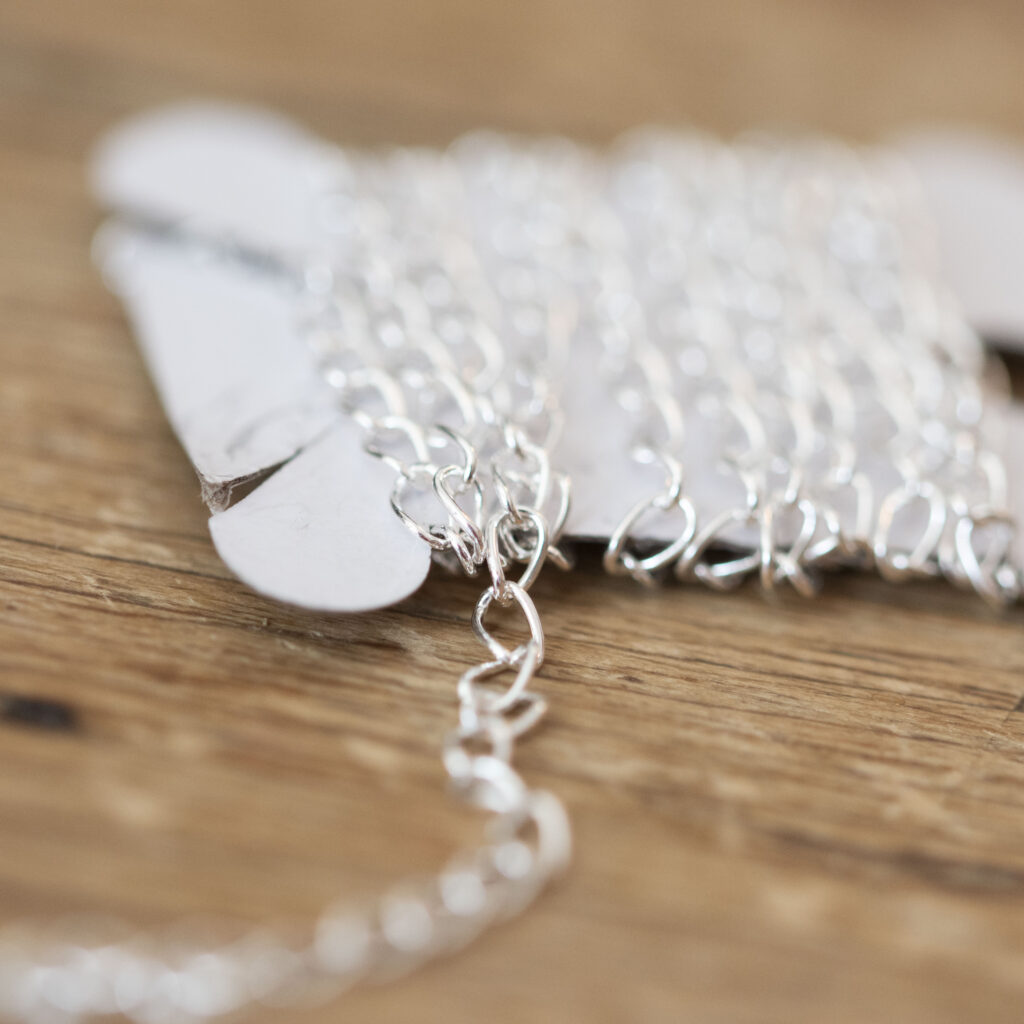
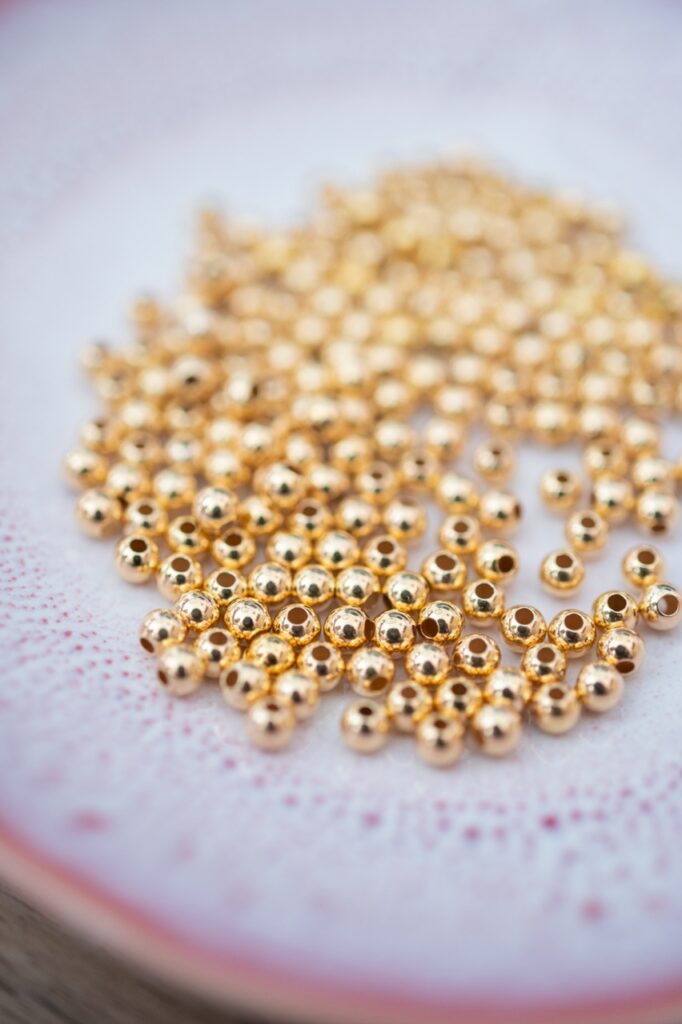
As you progress at jewelry making, start exploring specialist wholesale jewelry suppliers. Discovering where the industry sources its sterling, gold-fill, elastic, chains, and tools is part of building your foundation. Start small, buy samples, compare finishes, they vary massively, see how things wear (by actually wearing them). Over time, you will naturally create your own preferred supplier database, a trusted place for chains, one for gemstones, one for tools, and so on. This research phase is not just shopping (it’s the best bit I know!), but it’s setting you up for scalable making later on, when you move into buying consistently… for maybe….a side hustle 😮🤭
Wholesale jewelry suppliers for professional makers
As you move from hobbyist to professional jewelry making, the way you source materials naturally evolves. Some begin working with higher-grade metals and looking for proper hallmarks and metal fineness marks like 925, 375, and 585. You start thinking about plating thickness, chain construction, and long-term durability because your pieces are designed to be worn…by actual customers…. gifted, and treasured. Trade suppliers offer these standards, along with tiered pricing, account terms, and access to new collections and product lines before the general market sees them. Some even offer 30-day accounts, and trade show previews.
Upgrading your suppliers is not just a purchasing decision, it is a shift into a professional maker mindset. At some point, every jeweler receives those uncomfortable messages about a clasp that failed or a bracelet that did not last. It is rarely about technique; it is almost always about materials. That moment becomes a quiet turning point. You start choosing quality deliberately, because prevention is far kinder than repair – or than some customers’ very pointed feedback. From there, you naturally build a supplier database that supports durability and consistency pretty fast!
What to spot in a great supplier
A good supplier websites should clearly list all the important product details: materials, metal thickness, carat, weights, so you are not guessing or emailing for basics. If you sell online, most good suppliers give you access to their own product stock images, these are helpful for secondary, incidental images on your website. But, always shoot your own hero images to avoid blending in with every other jewelry seller online using the same supplier stock image, you want to be unique right! (more about that another time). Look for fair delivery costs, consistent quality, and customer service that actually helps. Being able to return items if faulty or damaged is so important.
Speed matters to me, especially when you are juggling daily orders and staying in stock. Fast restocks are essential. You are all going to have different needs and criteria from a supplier so I can only talk from my own experience and what I look for in a great supplier. But me, I’m in the need for Speed!
What I also do is keep a ‘primary supplier’ and a ‘trusted backup’, for super important components I may have a third back up supplier if they are components that are very, very important I don’t go out of stock on. If one runs out, the others step in. It’s a simple system, but it’s saved me from countless hiccups, as trying to find a new supplier when you needed that component yesterday is a blinking nightmare.
AliExpress & Temu
Marketplaces like AliExpress and Temu can be useful places to explore when you are starting out, especially if you are experimenting with new ideas, testing beads or finishes, or trying to learn what you like without committing to large quantities or higher costs. They offer variety, and will dazzle you makers with super low prices (there’s normally a reason for that by the way). Just approached with caution. Quality varies enormously between sellers/manufacturers, metal claims are not always accurate, and plating can perform very differently to what you expect. Order in small batches, wear-test components, and note which sellers deliver consistent quality before incorporating anything into pieces you plan to sell.
AliExpress and Temu are not inherently ‘wrong’, they simply require a more cautious approach. I use a very small few of the manufacturers of AliExpress, I discovered them years ago, but they earned their place through ongoing ordering and testing.
A quick little huffy note:
A few years ago, I found my own jewelry being sold on AliExpress! 😮 Wait what!! Yes Makers…A seller had pinched my product images from my website and was making and selling my pieces themselves using my images to draw in their customers. That experience reminded me that not every product listed on these platforms belongs to the seller offering it, this has not only happened to me but to another maker I know. So when sourcing, ensure you do your research on the sellers and flush out the nasties!
Word to the wise
Apart from the above, one big red flag if buying finished jewelry is a supplier who claims to be wholesale yet also sells retail. You can’t realistically compete on price with the very business controlling your supply chain, it rarely ends well as you will always have to price match them. They’ll often prioritise stock for their own retail orders first, leaving you stuck waiting.
Another sign to watch out for is constant price jumps throughout the year – or suppliers who don’t even bother to tell you when prices go up. A good supplier will usually review their pricing once a year and give you notice in advance. The ones that change prices every few months (and quietly) are incredibly difficult to work with – you can’t plan, cost, or price your own products confidently.
Likewise, a lot of ‘out of stock‘ products often points to poor supply chain management behind the scenes. And no returns or exchange policy is another major warning sign, every reputable supplier should have a decent returns window.
A few places I love
A trusted and vetted database of jewelry suppliers is not something you stumble upon in Google or by luck (unless you stumbled here of course 🤗). My database has been built over years and years of sourcing, travelling the country and the world in search of amazing suppliers to work with, order by order, through real studio use, not one-off hauls. There have been late-night rush orders, sampling, disappointments, happy surprises, and more returns than I care to admit. Over time, the reliable suppliers reveal themselves and the rest fade into the background.
There are a handful of suppliers I go to again and again – Cookson Gold for components and recycling and Saketos for organza bags, to name just two. Over time, through a LOT of testing, I have built a much wider network of trusted suppliers across metals, beads, tools, packaging, specialist findings and manufacturers.
My full list of suppliers, along with my notes, what I buy from where, suppliers minimum order values, their shipping costs, turnaround times, are they Global, UK based etc – all experience-based recommendations. Well, they live inside my Jewelry Supplier Directory – learn more, download and purchase right here.

P.S.
If you enjoy reading in quick bursts, my Tiny Tips are worth checking out – small bite-sized jewelry tips with HUGE impact…yes HUGE!
related reads
I can’t find the right jewelry suppliers?
How do I make jewelry that lasts?
The beading essentials I wish I had on day one
5 Best Jewelry Plier Stands