The 4 Jewelry Pliers Beginners Actually Need

A simple guide to the tools you’ll use every single day
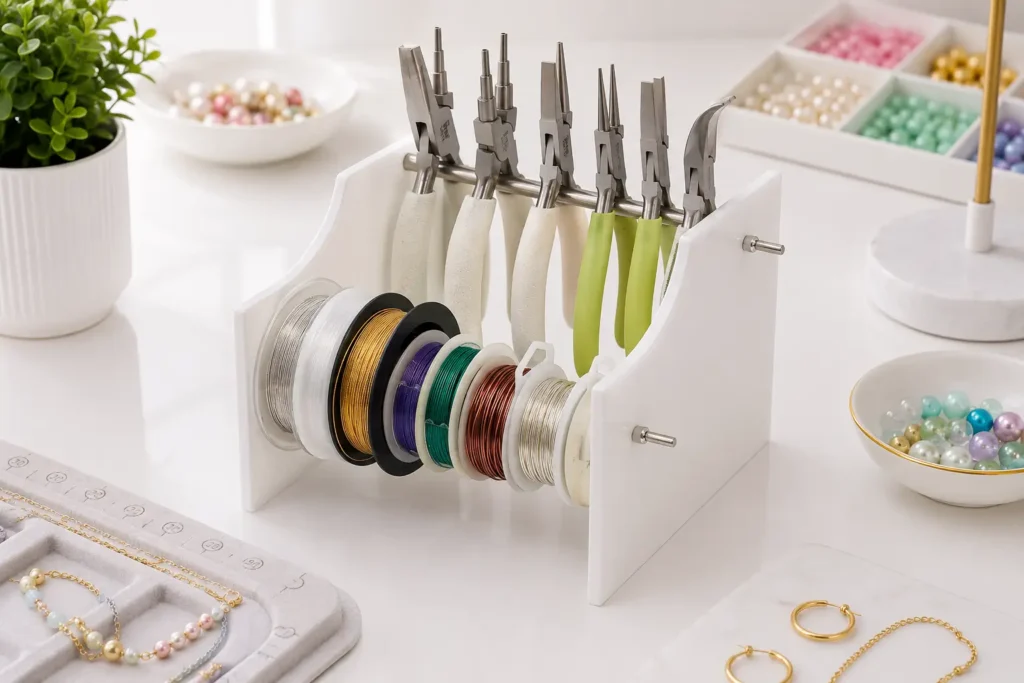
Which jewelry pliers should I buy first?
One thing I’d always recommend to beginners is investing in the best jewelry pliers you can comfortably afford. You genuinely get what you pay for when it comes to tools.
Whenever I’ve bought cheaper pliers in my early days…
- The inner springs go quickly
- They simply don’t feel as comfortable to use as professional quality tools
- Cheap tools tend to be small in the hand and before you know it, you’re buying another pair!
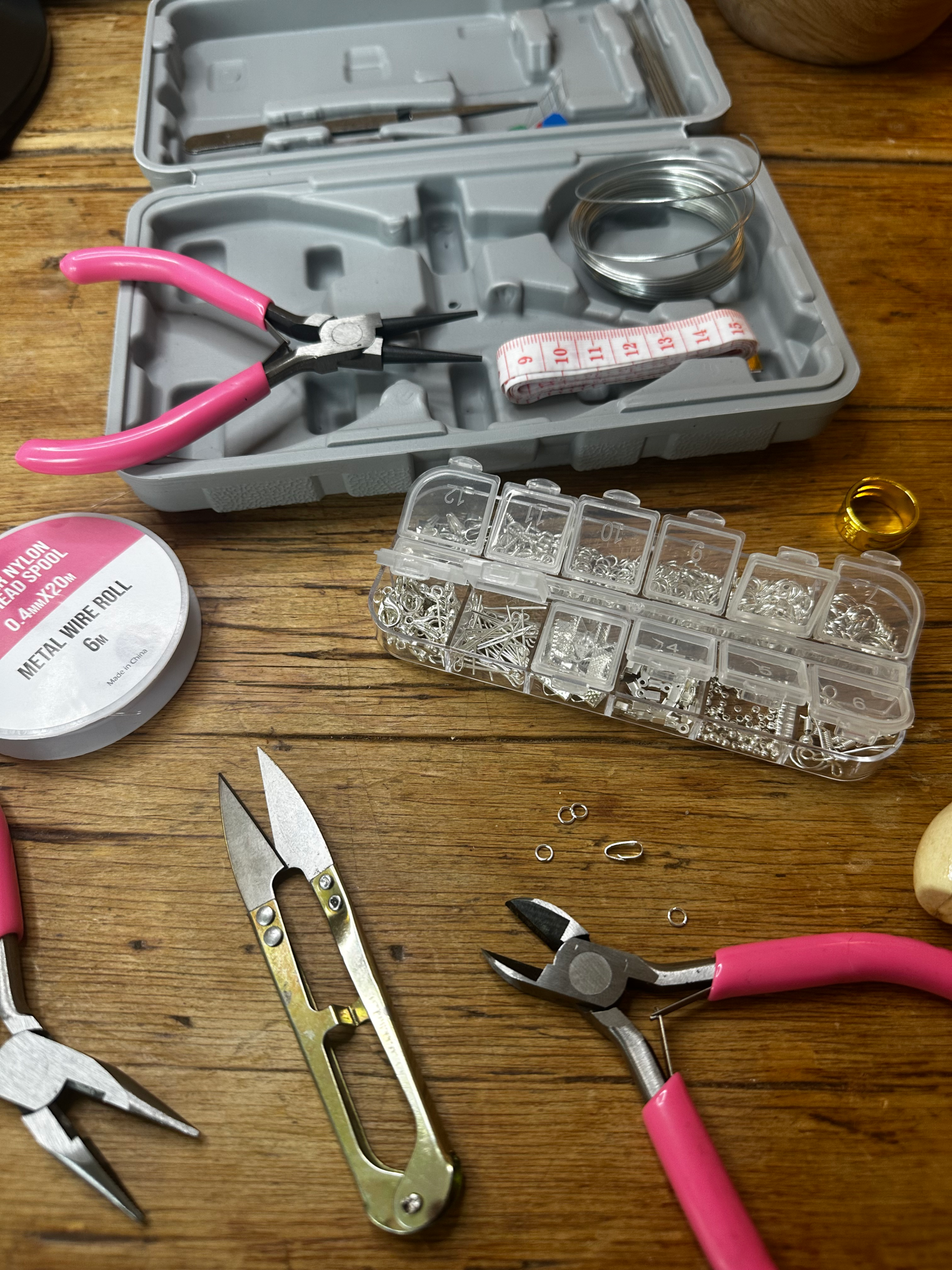
The tools shown below are the 4 pliers I use every day and the ones I would recommend getting first. They’re actually quite old now, which probably says everything about how good they are. I’ve included links to high-quality versions so you can easily start building your own reliable beading tool kit.
The 4 essential pliers for beginner jewelry makers
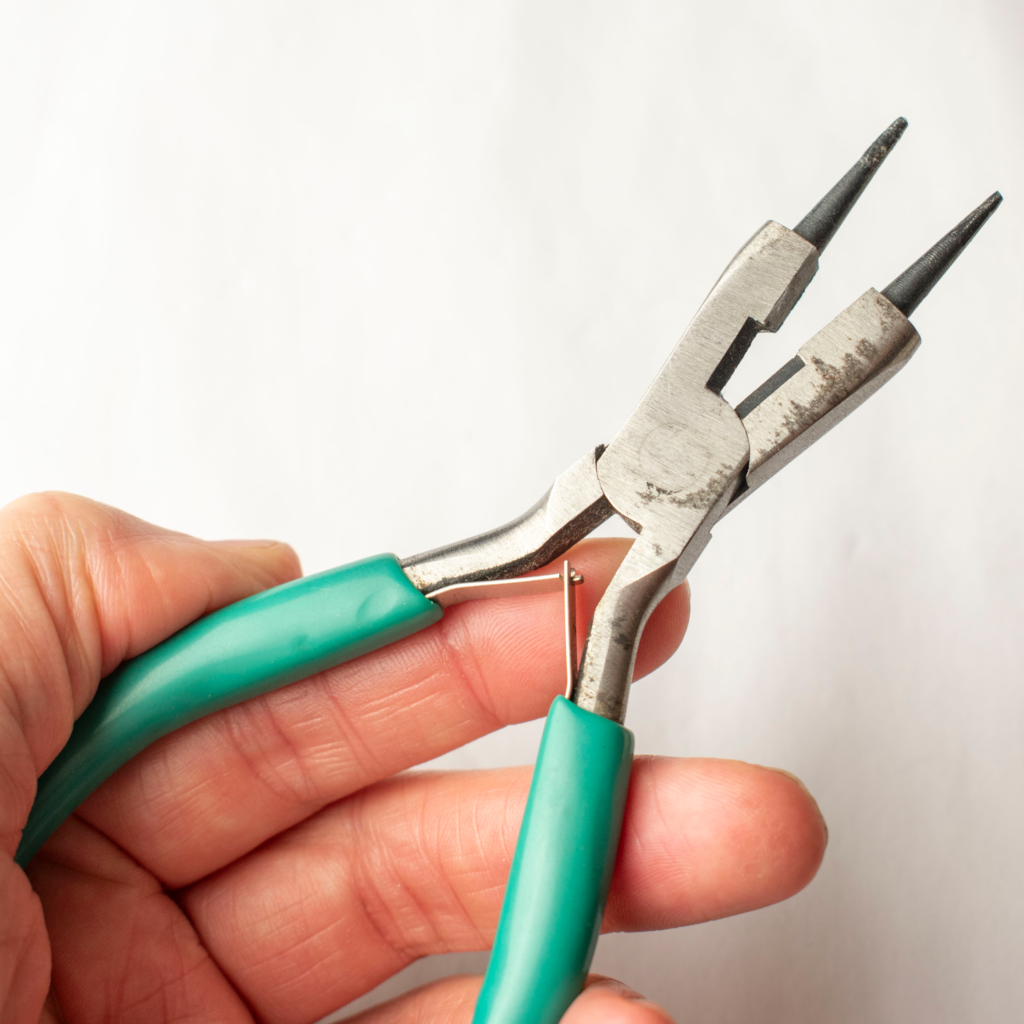
1. Round Nose Pliers
Ideal for wire wrapping. The tapered, cone-shaped tips let you control your loop sizes, so you can make everything from dainty earring loops to bold, dramatic spirals.
The problem these pliers fix
• Create a consistent size to the loops you make
• No more wonky loops
• Your jewelry pieces will look more professional
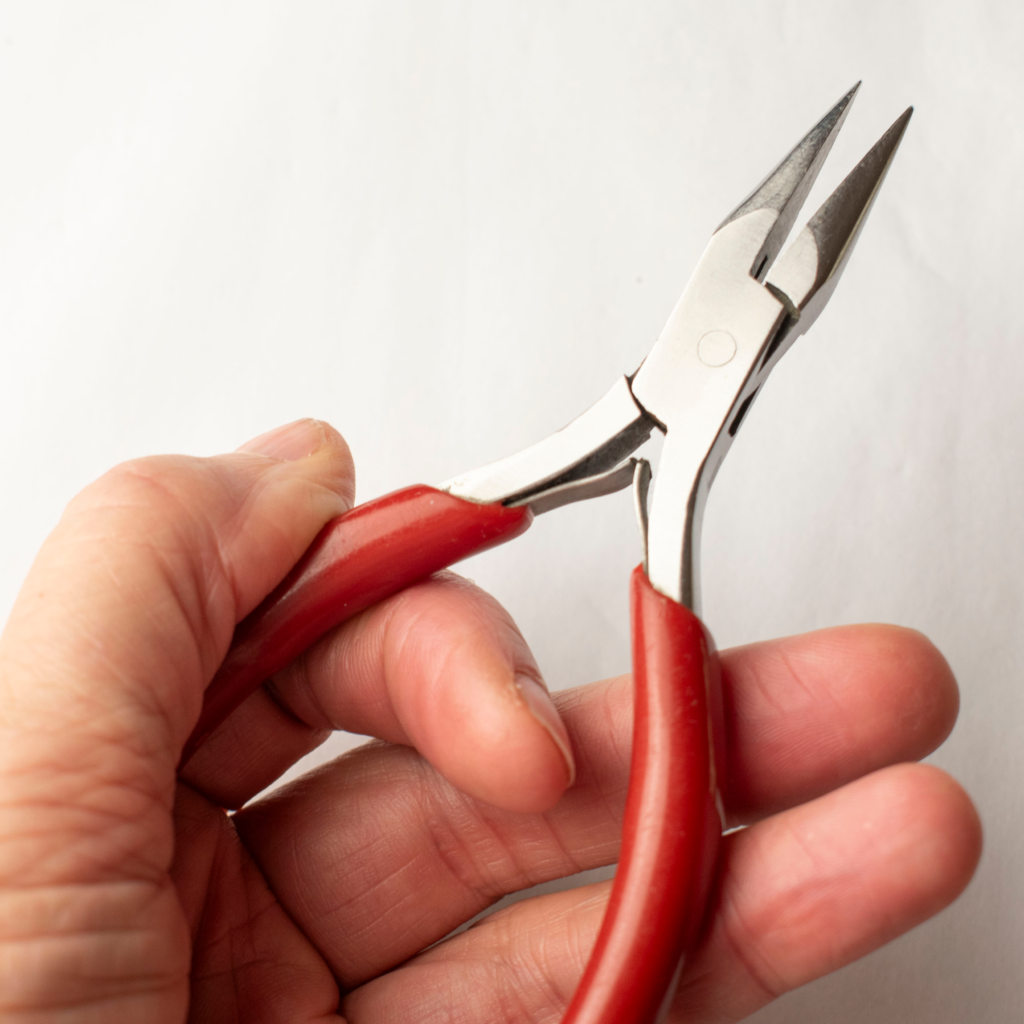
2. Chain Nose Pliers
your jewelry-making everyday tweezers. The flat inner jaws and narrow tips are perfect for opening and closing jump rings in funny tight places, tucking in wire ends, or holding tiny findings in place.
The problem these pliers fix
• You can get into more tight spaces!
• Grips better on teeny things
• Neater for wrap jewelry
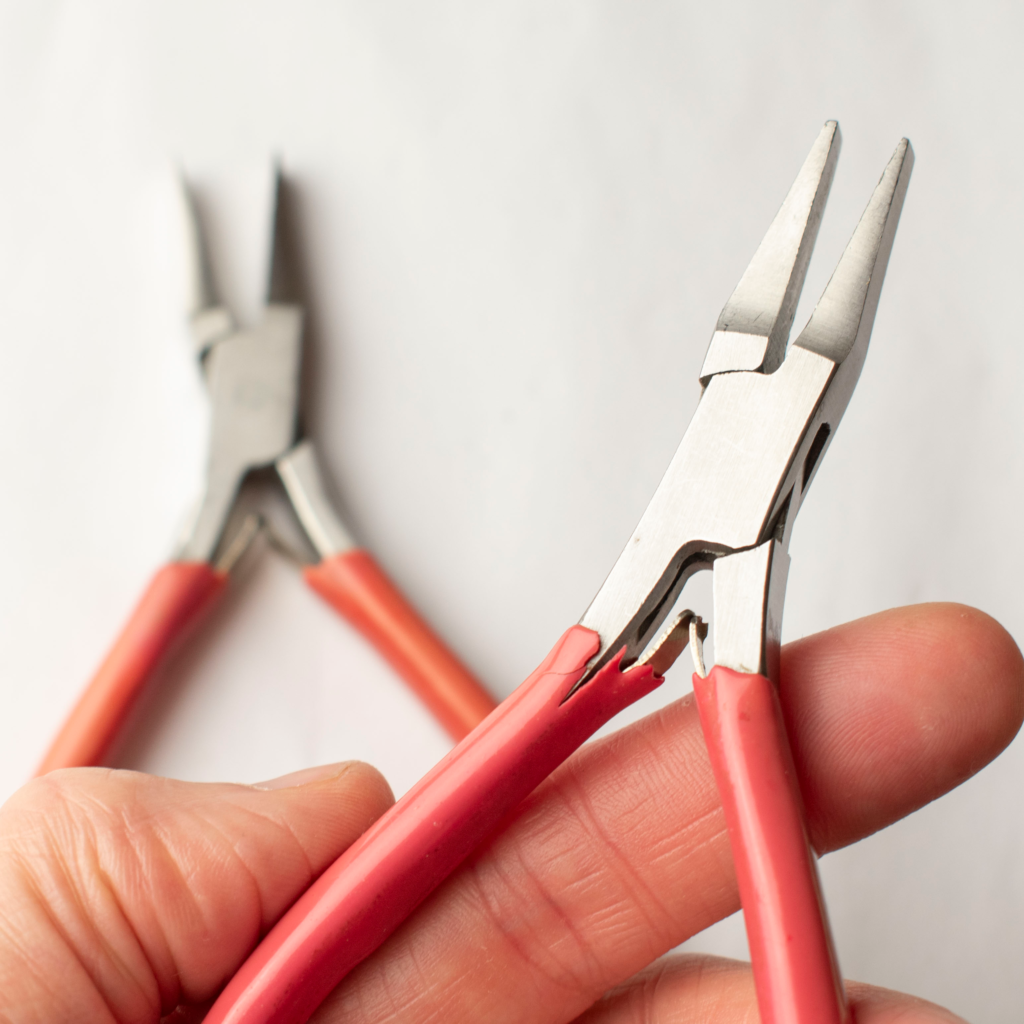
3. Square Nose Pliers
My favourite pliers and they work well as a pair. They are like my knife and fork. Great for doing your jump rings, crimp bead covers and holding wire loops.
The problem these pliers fix
• No more deformed jump rings
• Your loops are rotating when you try to straighten them
• Your wire bends become crisp and square
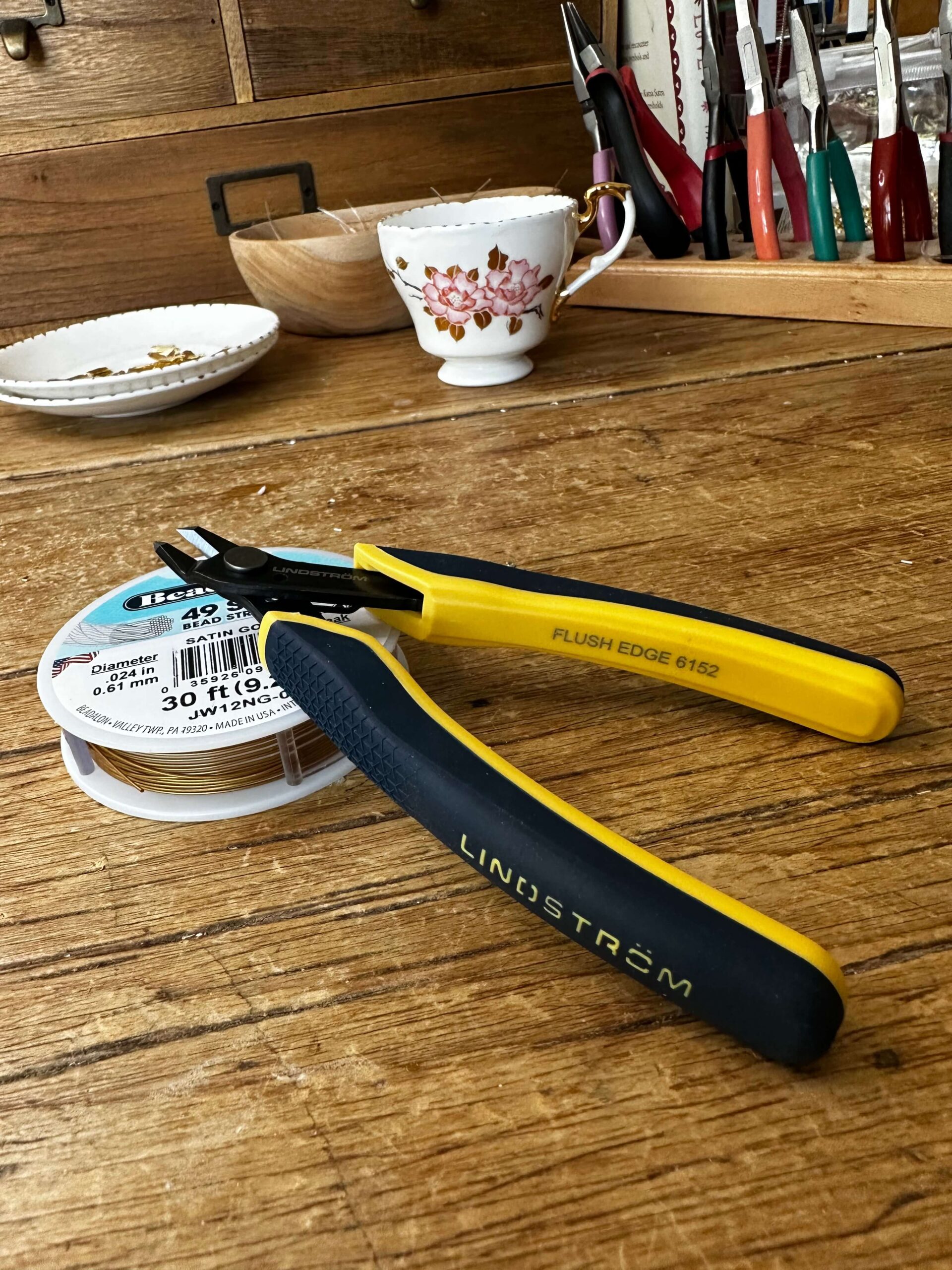
4. Flush Cutters
And finally – the cutters! Whether you’re trimming head pins, wire, or excess chain, a super sharp pair of flush cutters are essential. Avoid cheap versions that crush rather than slice through. Invest in a good sharp pair!
The problem these cutters fix
• No more scraggy ends
• Cut through wire like butter
• Cut super close to your loops
So, there you have it the four pliers I would get to start jewelry making and beading.
Other pliers to consider
Bent Nose Pliers – For reaching those awkward spots
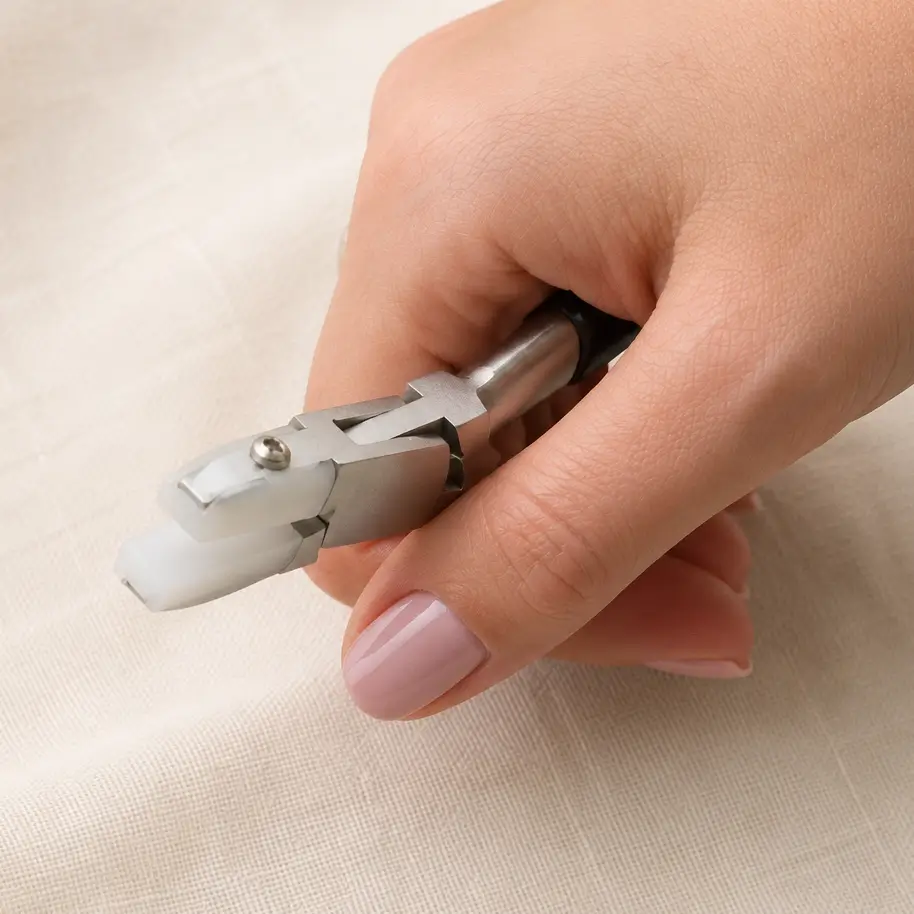
Nylon Jaw Pliers – They grip firmly without marking or scratching your metal – Learn More
Serrated Edge Pliers – For when you need a little extra grip!
A Good Beginner / Mid-Range Brand
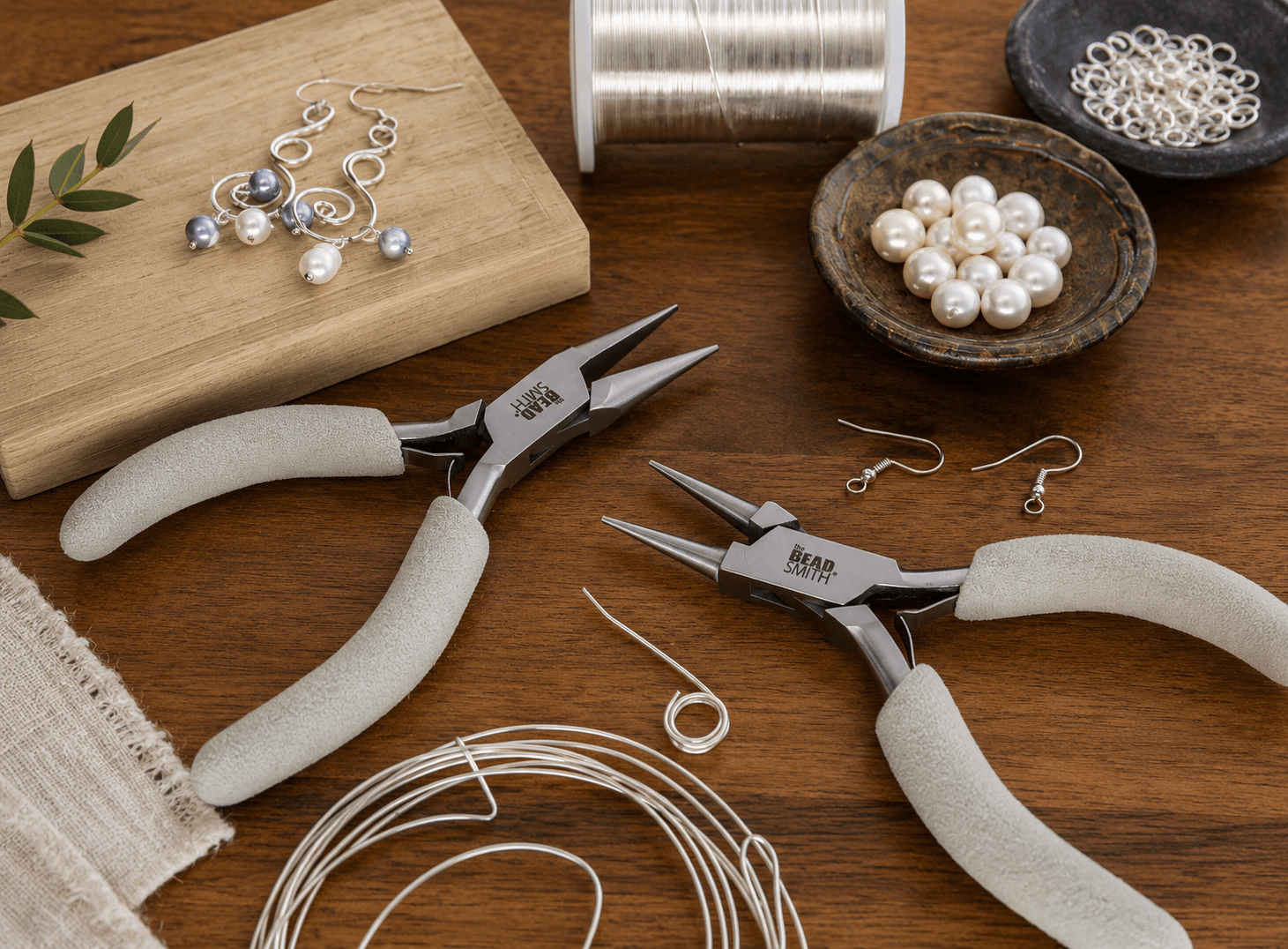
If you’re serious about making jewelry, and are looking for the whole lot in one go, it’s worth starting with a Good Mid-Range Plier Set. You can usually buy most of the essential types together – round-nose, flat-nose, chain-nose, and cutters – neatly organized in one sturdy case. It’s more cost-effective than buying them individually. This is the set that gets my vote check it out here.
Little Tip: Start Simple
If you’re just getting started, you don’t need the entire lineup of pliers. These four: round nose, a pair of square nose, chain nose and flush cutters – will cover 95% of your beading projects. The rest you can add as your skills progress.
And yes, it’s perfectly acceptable to get excited about buying new pliers… I do!

Final Little Thoughts
Once you get familiar with each pair, they start to feel like little extensions of your hands. You’ll reach for the right one without even thinking, and that’s when everything just clicks, and making jewelry becomes really fun and enjoyable.

P.S.
If you ever find yourself becoming slightly obsessed with jewelry tools (welcome to the club!), I’ve also written a post all about What pliers do professional jewelry makers use? and learn whether premium brands like Lindström and Tronex are actually worth the investment.
related reads
5 Best Jewelry Plier Stands
Beading essential I wish I bought sooner
How to make simple stretch bracelets
Different Types of Jewelry Cutters