5 Ways I Use Nylon Jaw Pliers to Make More Professional Jewelry

and What are they actually for?
If you’re anything like me, you’ll spend a lot of time going over little details. Is that crimp cover perfectly closed? Is that jump ring fully shut? I blame my designer brain, I can’t help it. I like my jewelry to feel smooth, refined and beautifully finished.
Part of that comes from spending years making baby jewelry and milestone/heirloom pieces. When someone is buying a piece to celebrate a new baby, a special anniversary or an 21st birthday, they’re not just buying beads and silver. They’re buying a keepsake someone will treasure for years. Those are the pieces people expect to be flawless. That’s why I became a wee bit obsessed with my finishing over time. It’s what those types of customers wanted.
If that sounds familiar, there’s a very good chance a pair of nylon jaw pliers will find their way onto your bench sooner or later. They certainly did for me.
So, what are nylon jaw pliers?
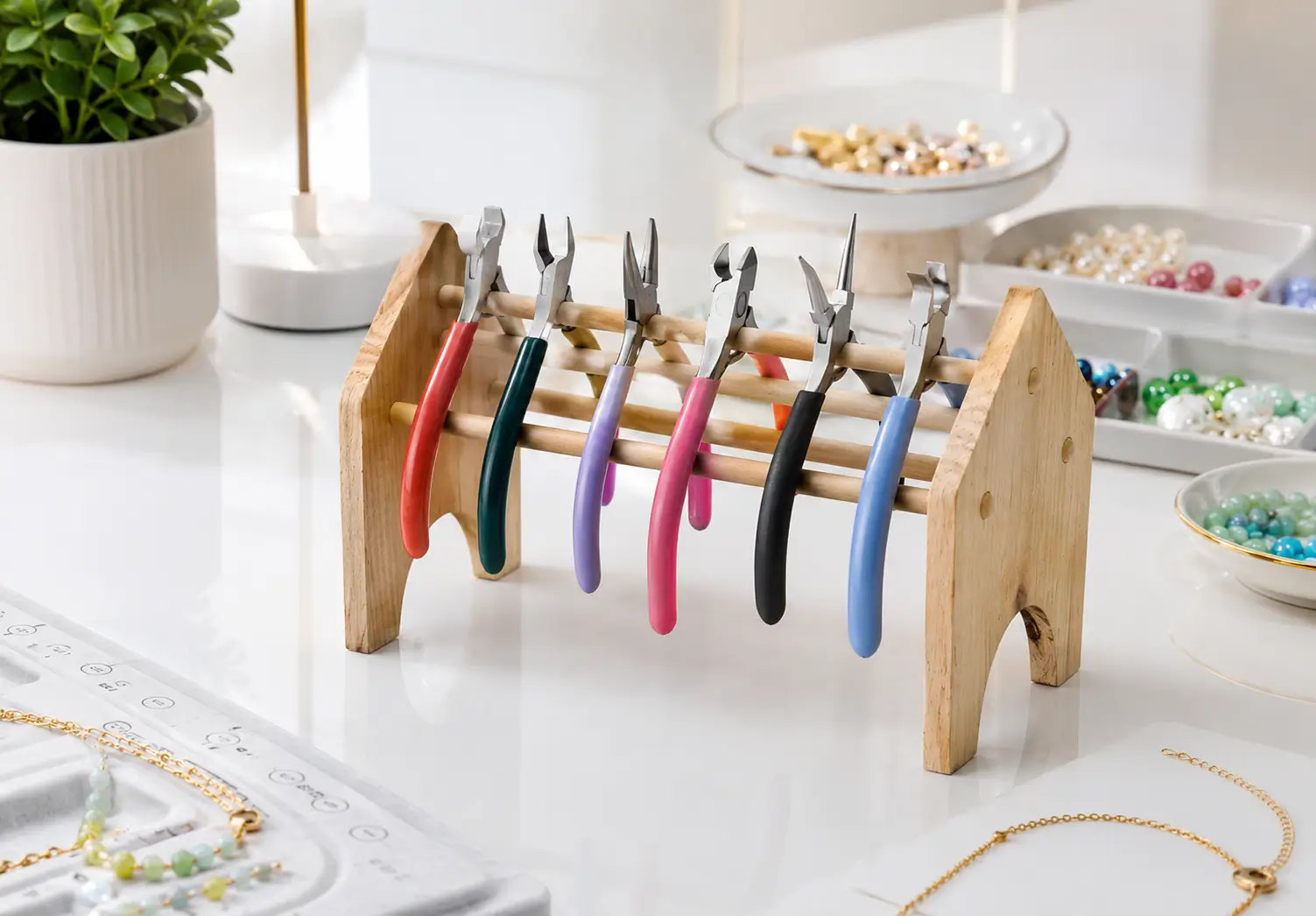
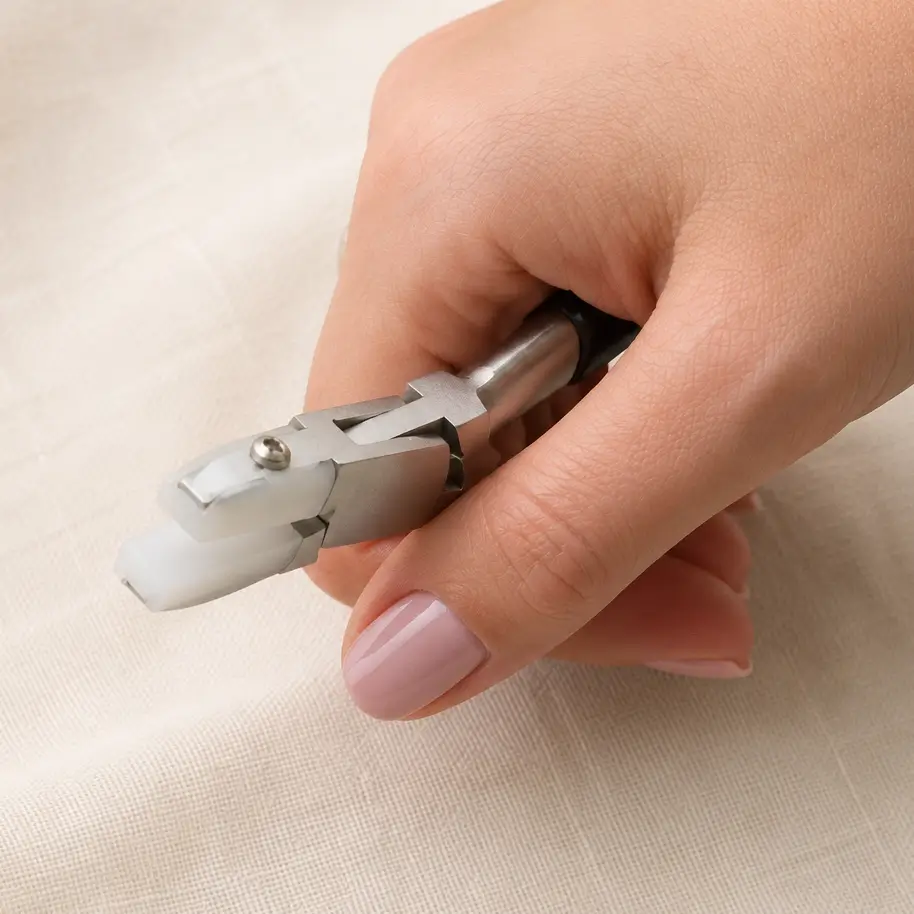
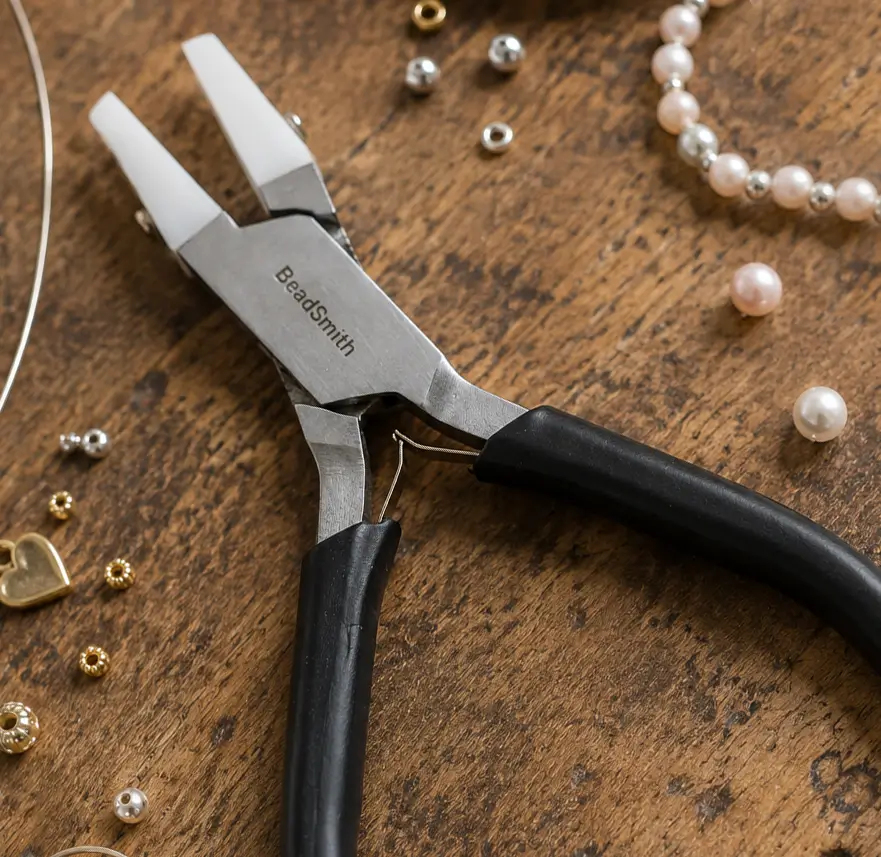
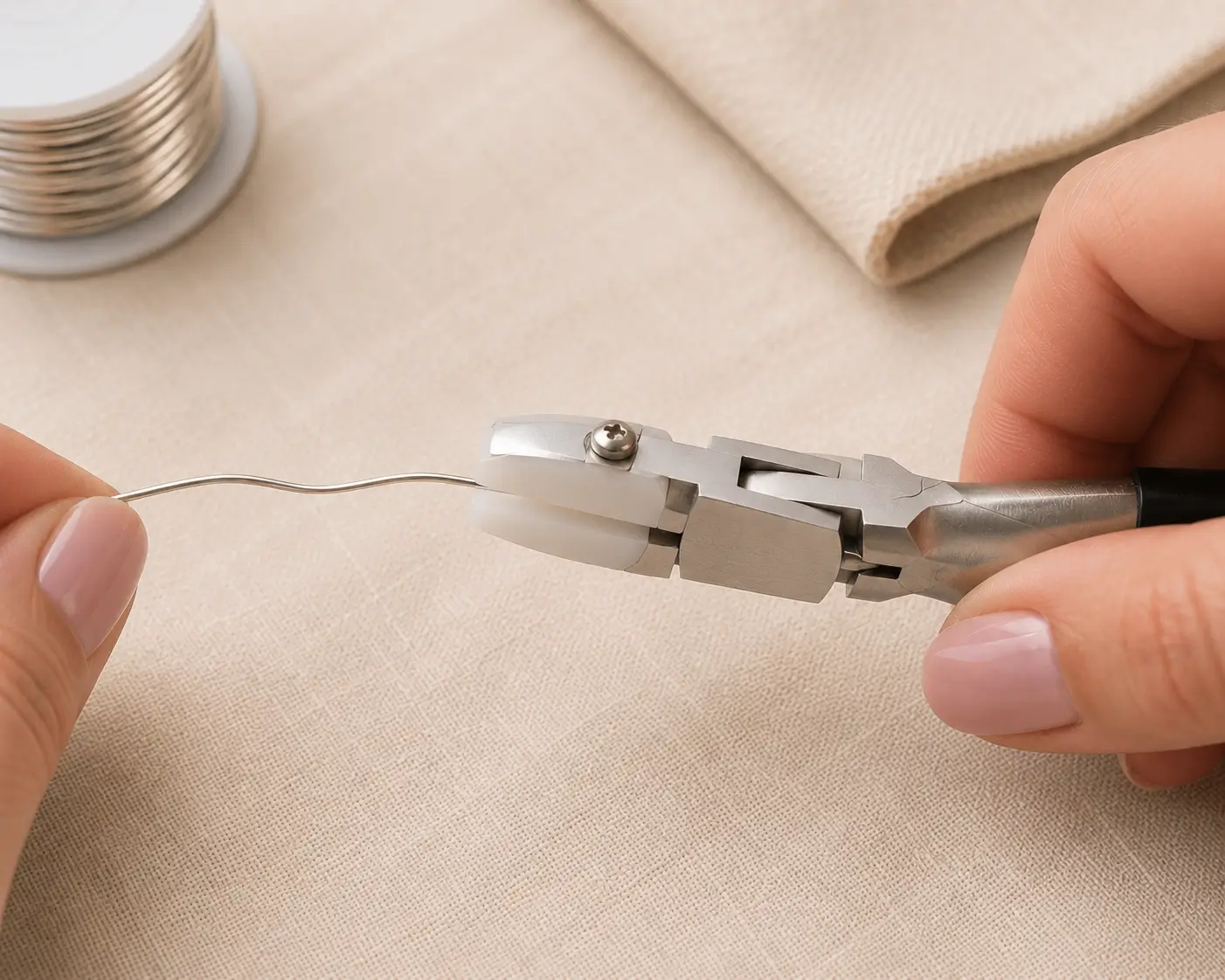
Nylon jaw pliers are simply jewelry pliers with small blocks of nylon pads instead of metal jaws. Those white nylon tips grip your wire, metal or findings without scratching, denting or marking the surface, making them perfect for working with soft metals like sterling silver or gold filled. They’re designed to hold, straighten and gently shape your jewelry while keeping it looking 100% perfect.
I wasn’t convinced at first. In fact, I never even bought my first pair. One of my jewelry makers who worked for me years ago brought a pair into the studio, and I remember wondering what on earth did she need those for. Fast forward a few years and they’re one of the very few tools that never seem to leave my jewelry desk funnily enough.
And, somewhere along the way they became MINE 🫣
Should you bother buying a pair?
Well, considering this blog post is called 5 Ways I Use My Nylon Jaw Pliers, I’d have to say… yes!
But honestly, it does depend on the type of jewellery you make. If you work with wire regularly, use sterling silver findings or like refining the little finishing touches, I think they’re absolutely worth having on your bench. They’re one of those tools you don’t realise you need until you start using them.
If you only make the occasional stretch bracelet, you could probably manage without them. But if you’re anything like me and enjoy collecting useful jewelry tools, I don’t think you’ll regret buying them 🤗
Nylon jaw pliers don’t stay perfect for long though if used daily because the nylon eventually wear, so just make sure you choose a quality pair, I use the Beadsmith Nylons but ensure they also sell Replacement Nylon blocks which ever brand you choose.
If you’re building your jewelry toolkit one tool at a time, I’d probably prioritise good-quality cutters first. After that, nylon jaw pliers would be high on my list because they’re one of those tools that do make a huge difference to the finish of your jewelry. If you’re still choosing your first jewelry cutters, you might also find my guide to the best jewelry cutters for beginners helpful.
So, 5 things I personally use my nylons jaw pliers for day to day to get that professional finish…
1. Closing up my crimp covers
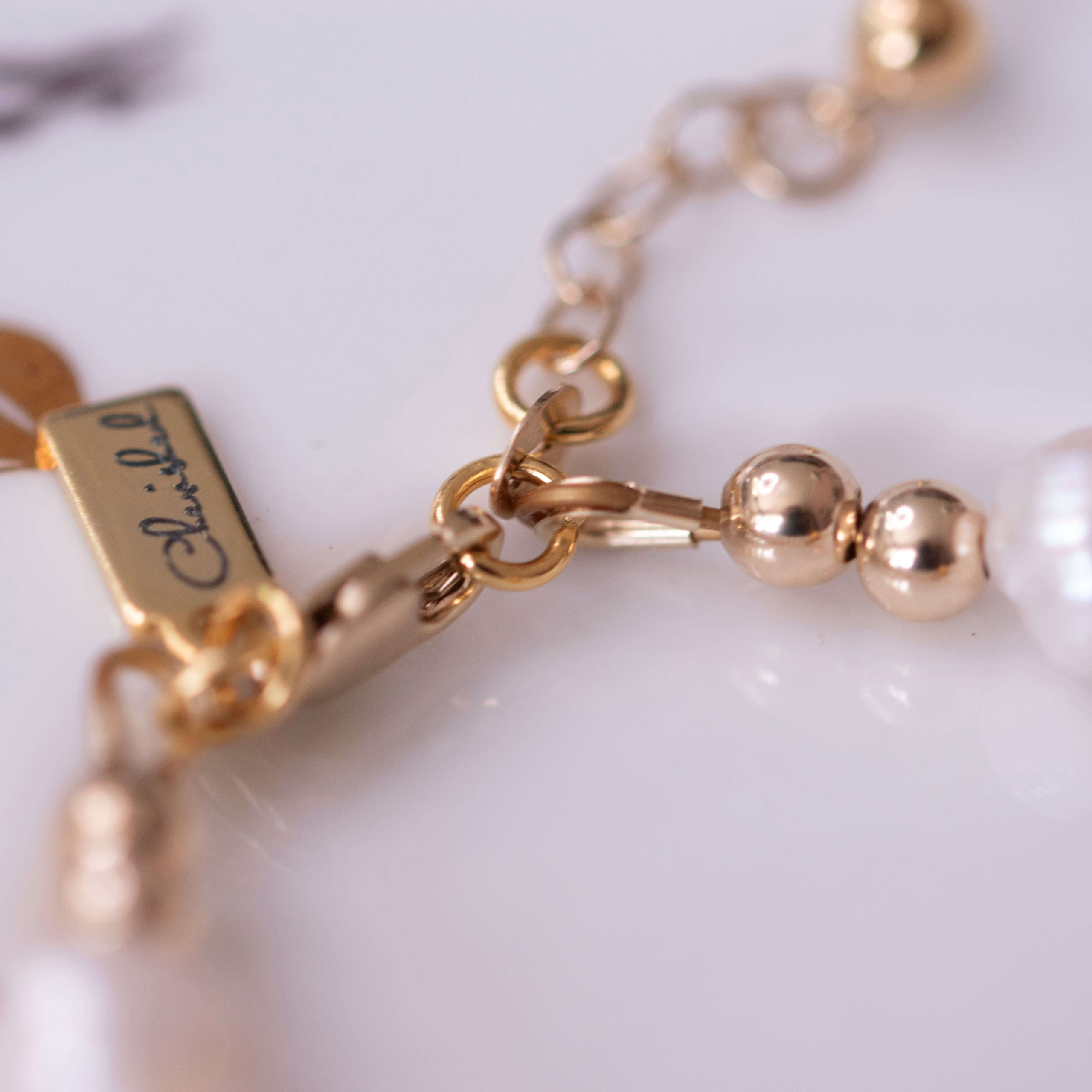
Crimp covers are designed to hide your crimp bead, but closing them neatly can be a bit of an art. Because sterling silver is such a soft metal, I like to use my nylon jaw pliers for a final little squeeze. They gently mould the crimp cover into shape without leaving little plier marks behind, so looking much more like a seamless silver bead than a crimp hiding in disguise.
2. Holding sterling silver while polishing another section
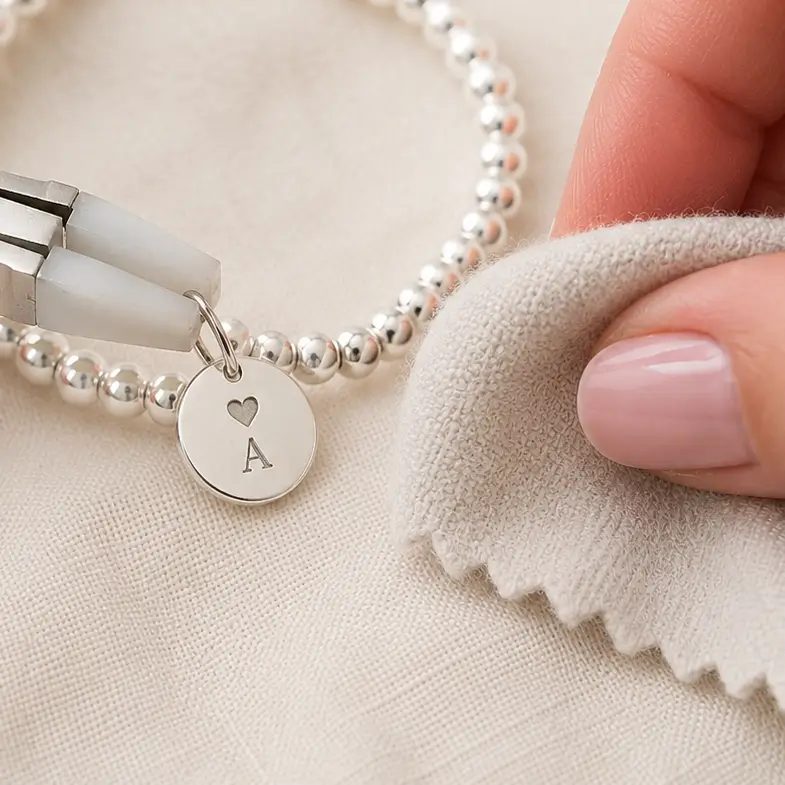
Once I’ve finished making a piece, I’ll give it one final polish before it heads off to its new home. The tricky part is holding a tiny sterling silver charm or disc without covering it in fingerprints… or worse, scratching it with steel pliers. I use my nylon jaw pliers to gently grip the piece while I polish all those awkward little areas around jump rings, bails and tiny details. It gives me a secure hold without damaging the beautifully polished finish I’ve worked so hard to achieve.
3. Flatten and straighten out kinks in thick wire
Wire has an annoying habit of developing little bends. Before I start making anything, I’ll often run thicker wire through my nylon jaw pliers to smooth out those tiny kinks. It’s strangely satisfying, takes all of ten seconds, and gives you a much nicer starting point. Just don’t expect them to rescue a piece of wire that’s been folded in half… even nylon pliers have their limits!
4. Securing up bezel pendant setting
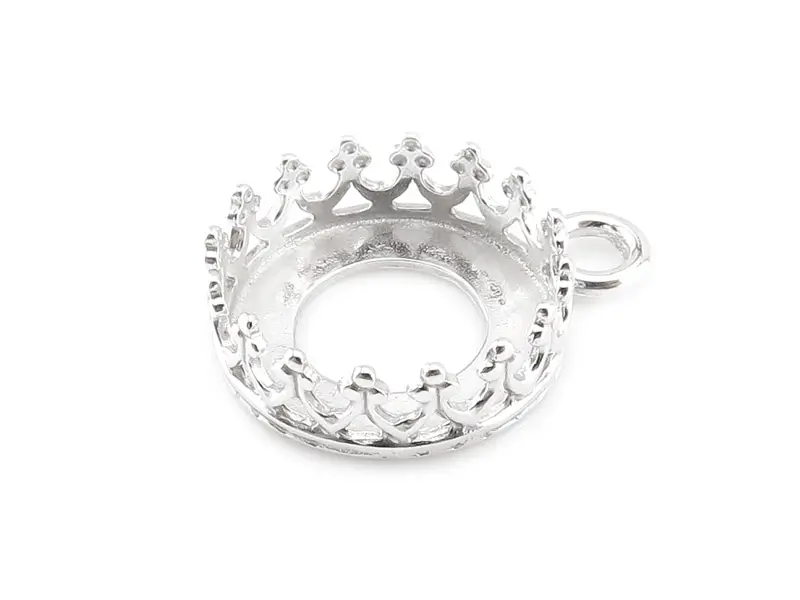
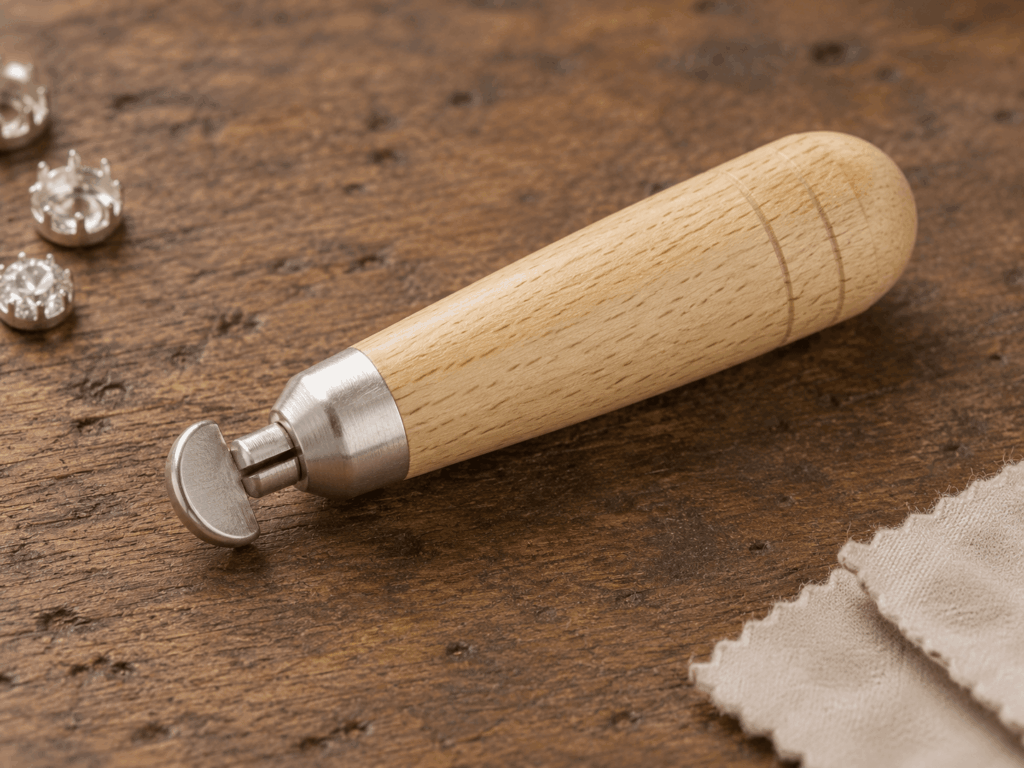
Those tiny little prongs on these findings can be surprisingly unforgiving. One squeeze with the wrong pliers and you’ve got a lovely little dent in your sterling silver… which, after spending ages setting your stone in them, is enough to make you mutter a little swear word 😮. I use my nylon jaw pliers to gently persuade the prongs over the stone instead, some makers use a bezel rocker (below) which is also a great little tool, but I find my nylons work just as good on certain settings. They give me enough pressure to secure the stone without marking either the sterling silver or the glass/stone, making the whole setting look much cleaner and more professional.
5. Closing folding end clasps
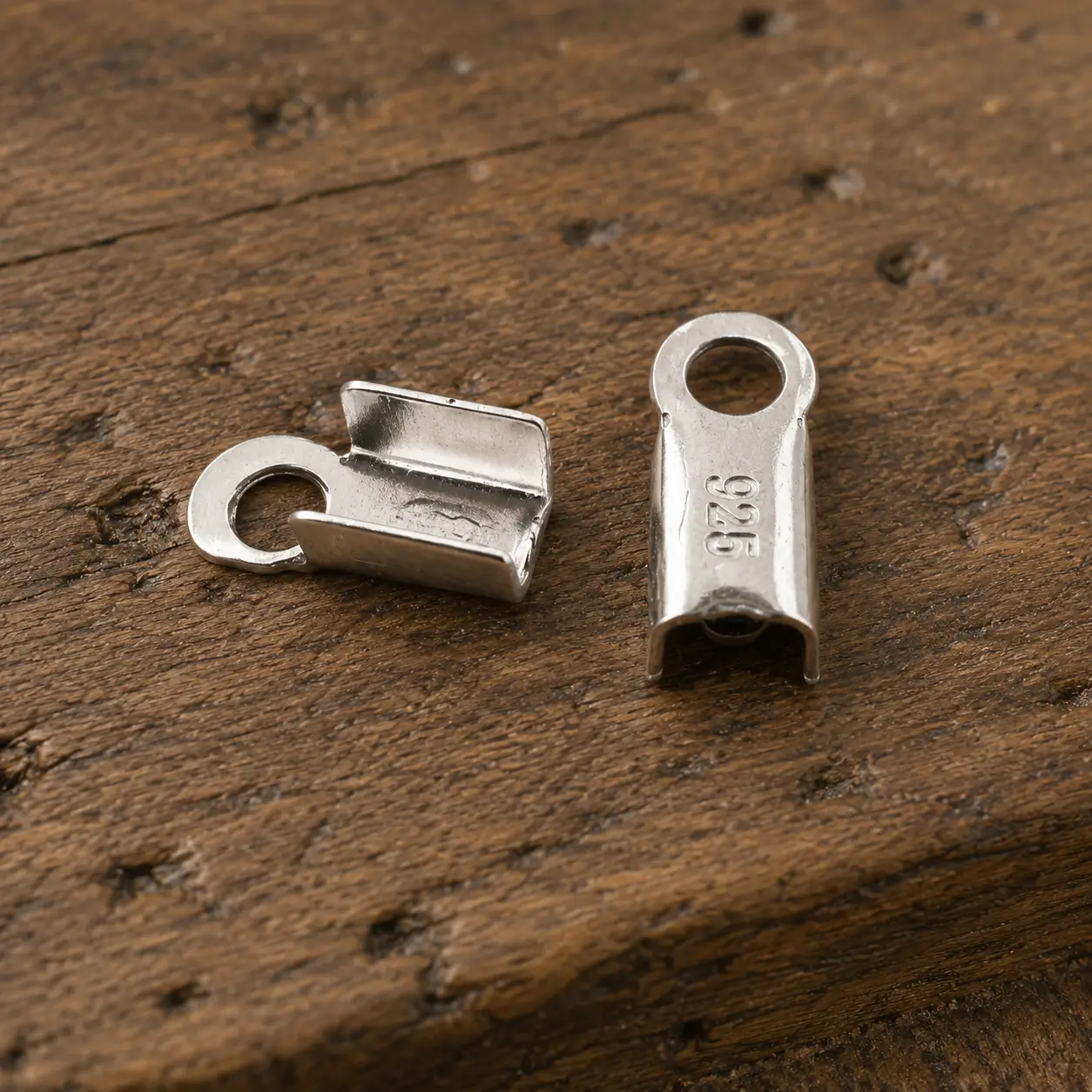
Folding end caps can be surprisingly easy to mark, especially if you’re using sterling silver or gold-filled findings. Once the glue has cured, I like to give them a gentle squeeze shut with my nylon jaw pliers to make sure they’re sitting snugly around the cord or leather. The nylon jaws apply just enough pressure to close the end cap neatly without leaving those annoying little plier marks that seem to catch your eye every time you look at the finished piece.
Final Thoughts
As you know I wasn’t convinced initially, did I even need another pair of pliers on my bench?
I couldn’t have been more wrong!
These days, I grab for them far more often than I ever expected.
It’s often the tiny refinements that separate jewelry that looks homemade from jewelry that looks beautifully handmade. Nylon jaw pliers are one of those tools that help you achieve those finishing touches without adding scratches, dents or a few unnecessary swear words along the way.
If they’re not already on your jewelry bench, I have a feeling they soon will be.
Anyway… I’ll stop rambling about pliers now. If you’ve discovered a jewelry tool that completely changed the way you work, let me know in the comments. I’m always curious to hear what other makers love using.
RELATED READS
Introducing Split Ring Pliers
5 Best Jewelry Plier Stands
Different Types of Jewelry Cutters
What Pliers Do Professional Jewelry Makers Use?