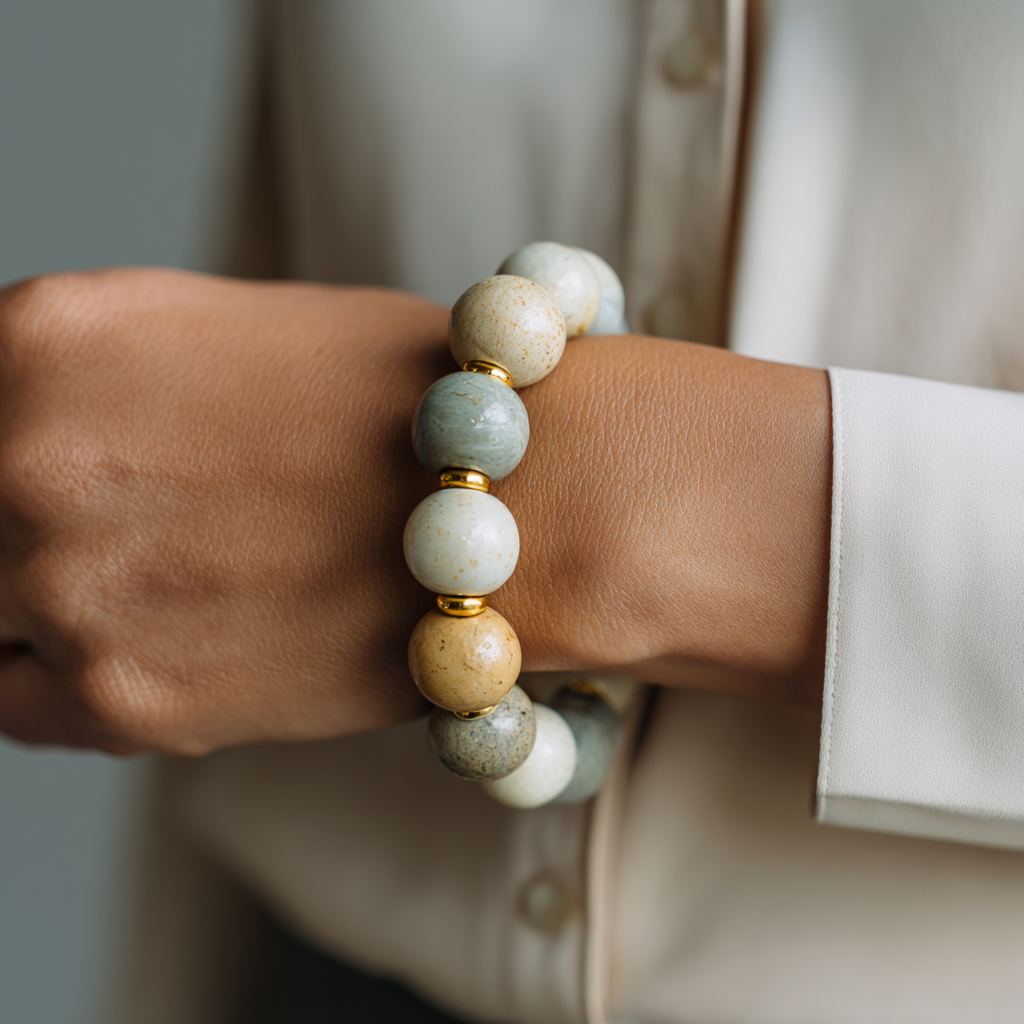
How to make simple stretch bracelets

In nine easy steps!
related reads
The humble stretch bracelet
The beading essentials I wish I had on day one
Jewelry elastic troubleshooting
Best elastic cord for stretch bracelets
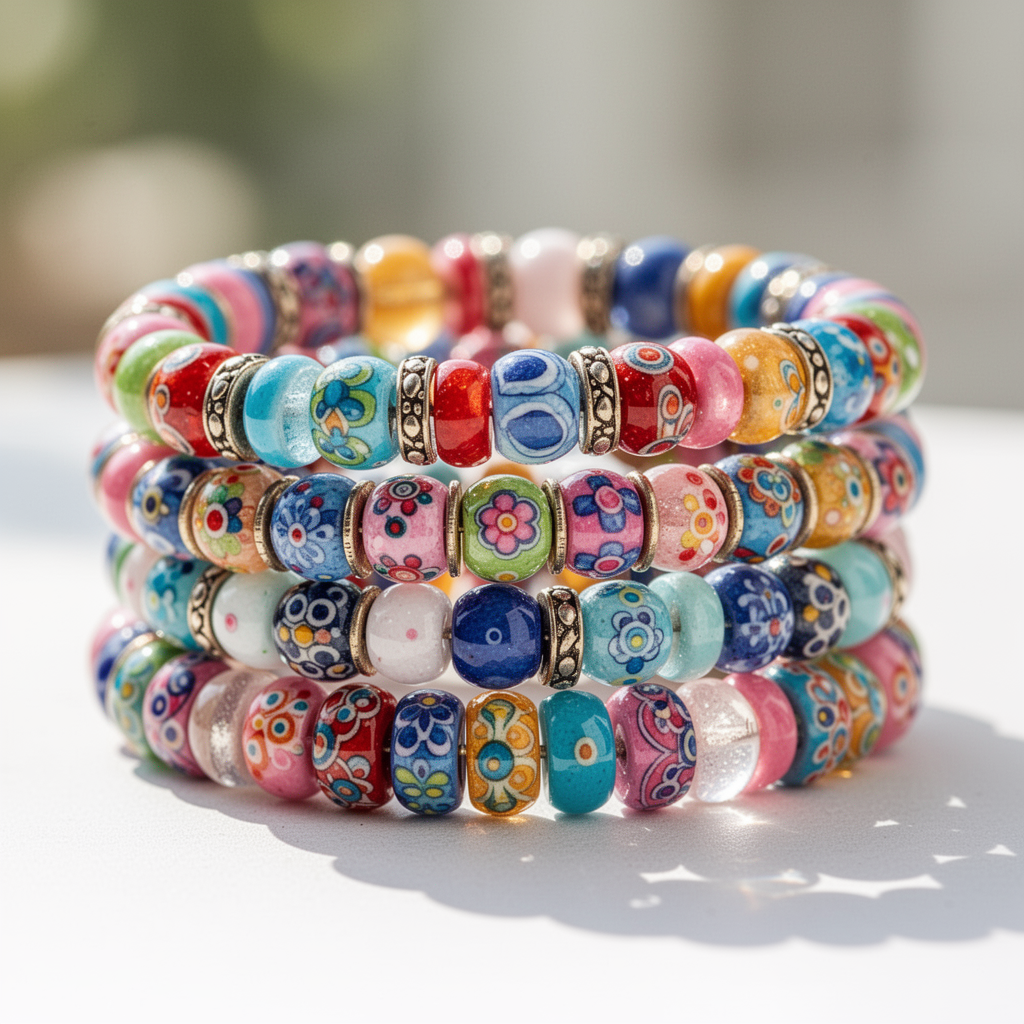
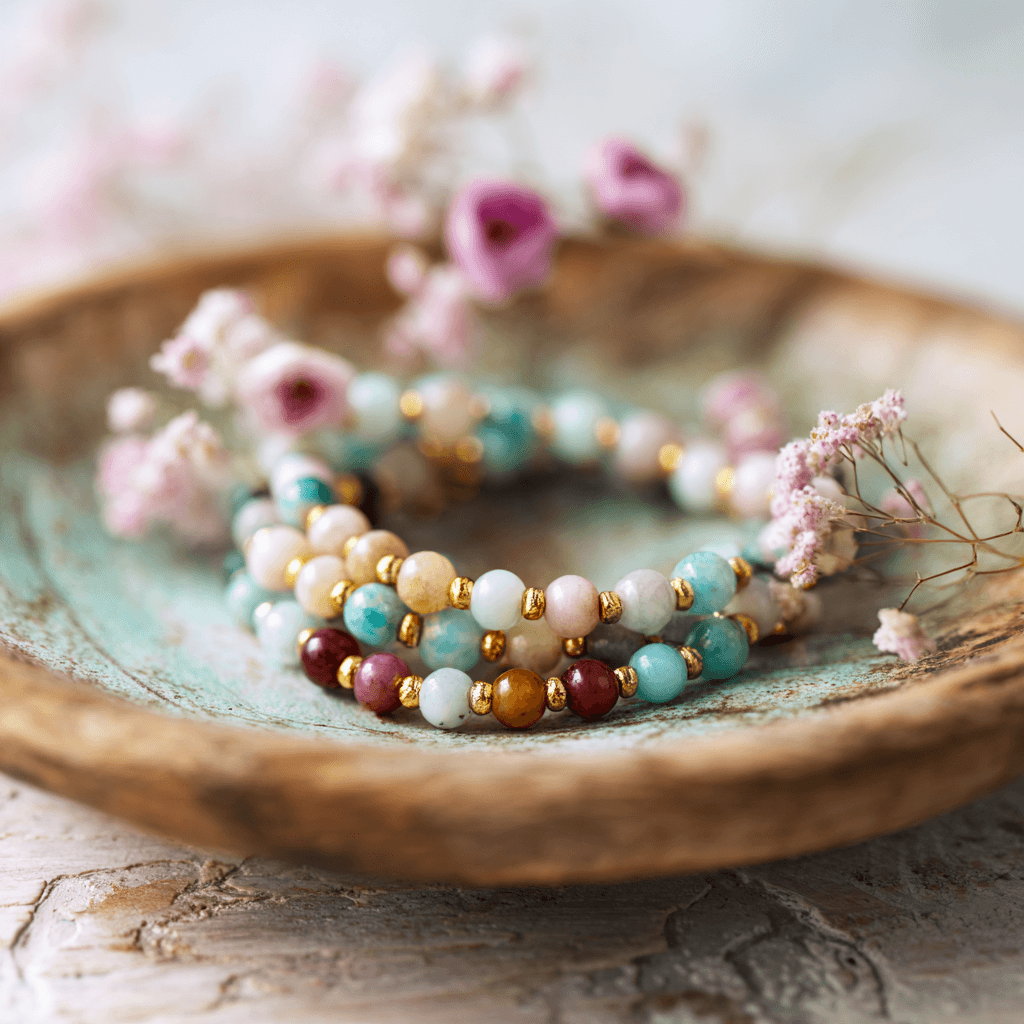
Because who doesn’t need a little extra colour on their wrist?
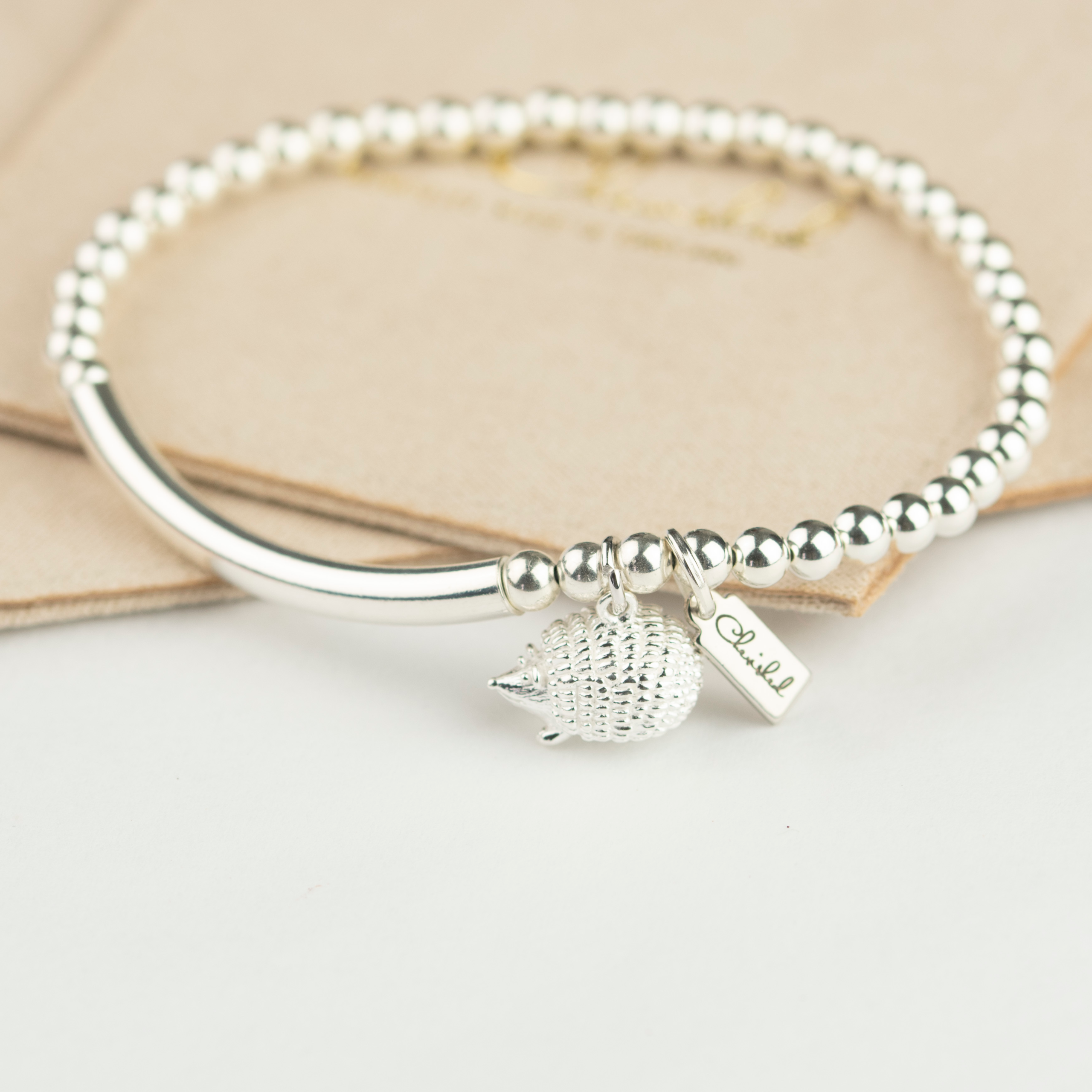
If you’re like me, you probably look at your wrist and think, “You know what this needs? More bracelets.” A simple stretch bracelet is a jewellery box hero – simple, stylish, and ridiculously satisfying to make and, I make a lot of them in a day! Whether you’re a total beginner or a head bead hoarder (guilty!), this is the perfect place to start for a new beader, they may be simple, but there is a technique! So let’s get stuck in…
| Skill level: Super Easy | Time: 6 Minutes | Style: Classic |
Ingredients
- x40-45 beads (for a 19cm bracelet) 4-5mm beads
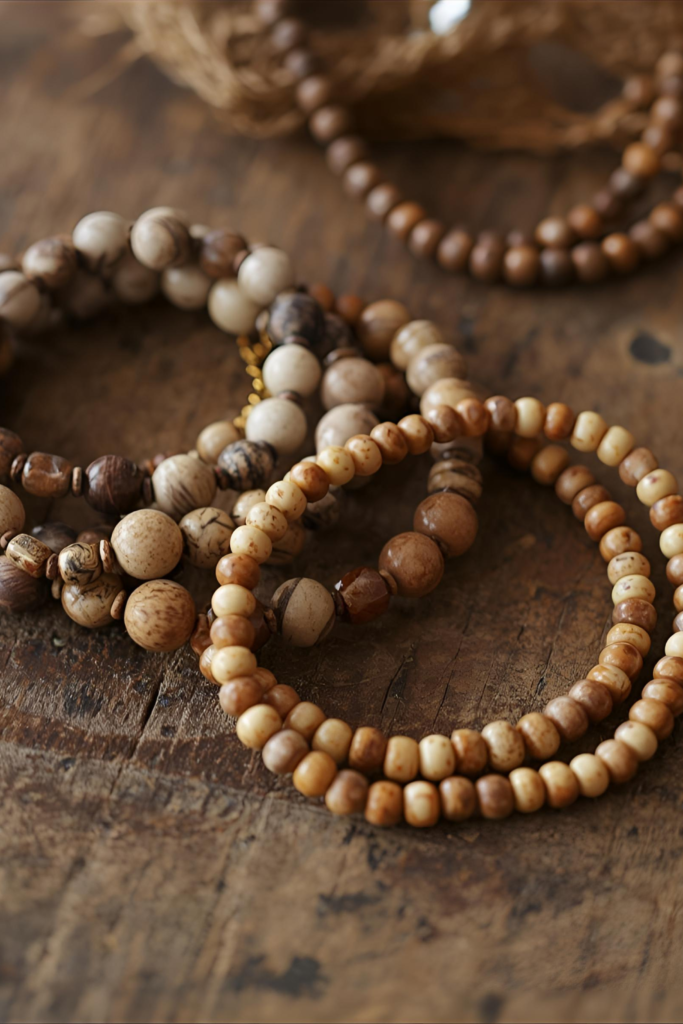
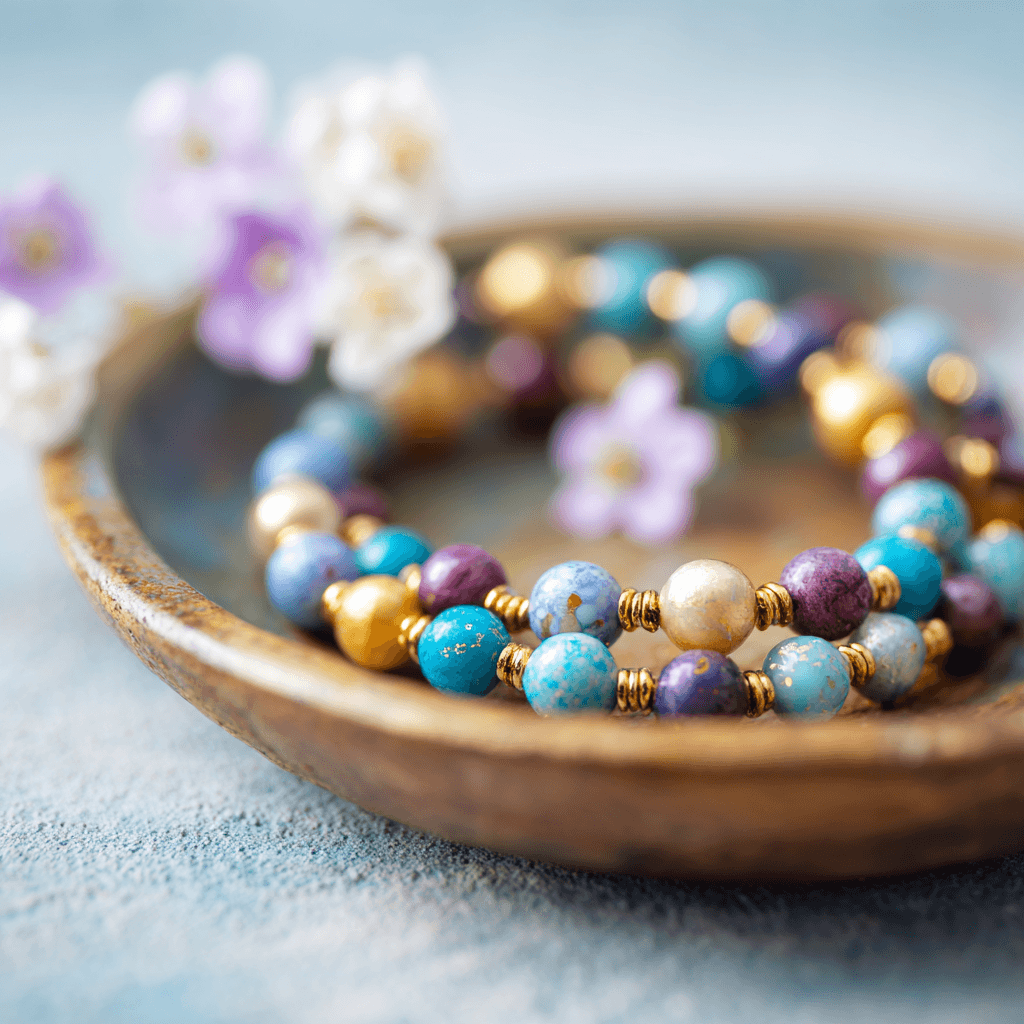
Here’s a few lovely beads ideas…
Glass Beads
Natural Stone Beads
Enchanted Forest Rondelle Glass Crystal Bead Mix
Marble Pattern Round Multicolor Glass Beads
Round Crystal Faceted
Wooden Beads
Natural Sandalwood Beads
Natural Printed Wooden Beads
Natural Striped Wood Beads
Natural Dyed Wooden Beads - x1 25cm of Beadalon 1mm Thick Stretch Elastic
- x1 Crimp Bead Cover
- High Strength Glue
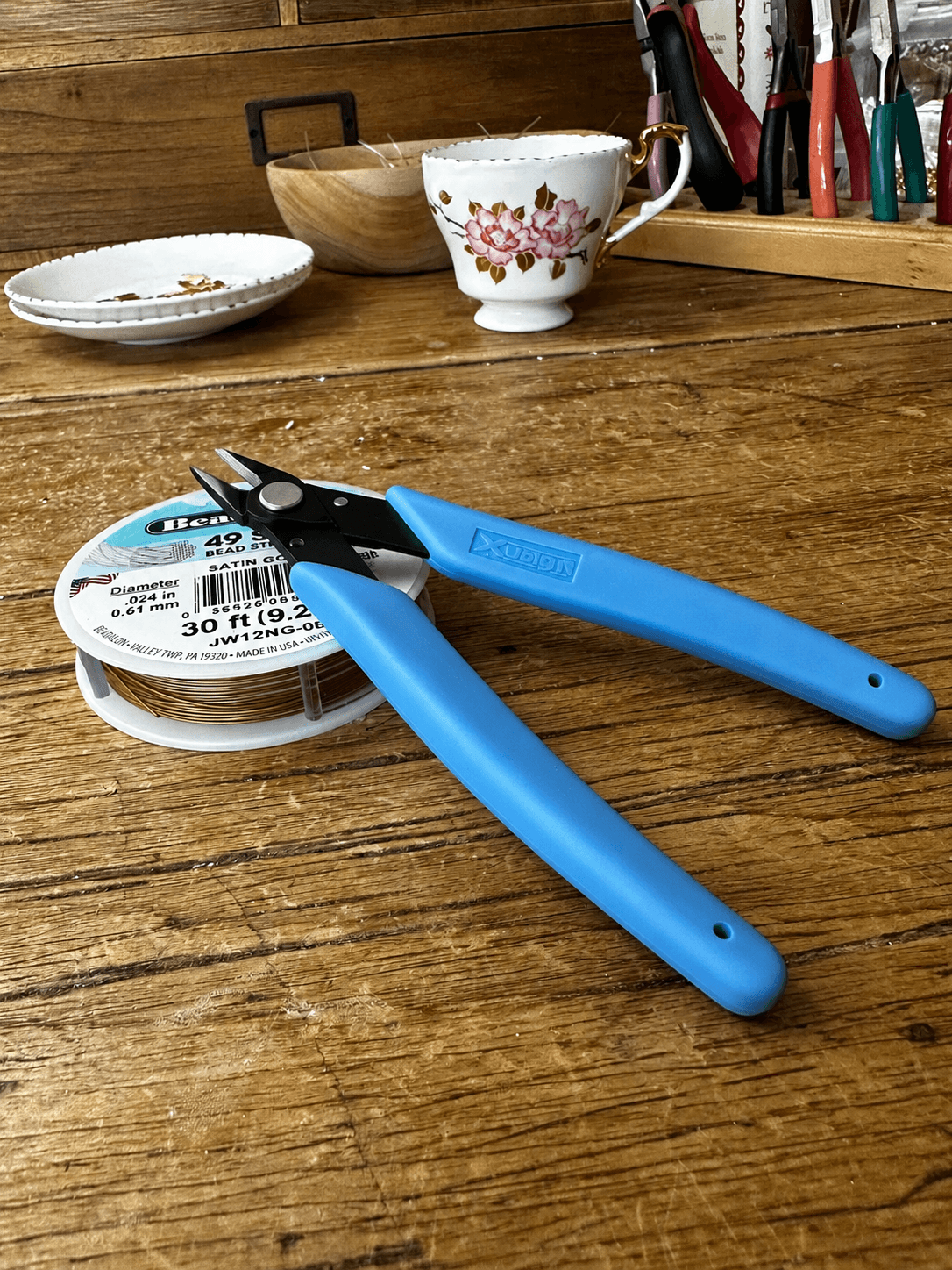
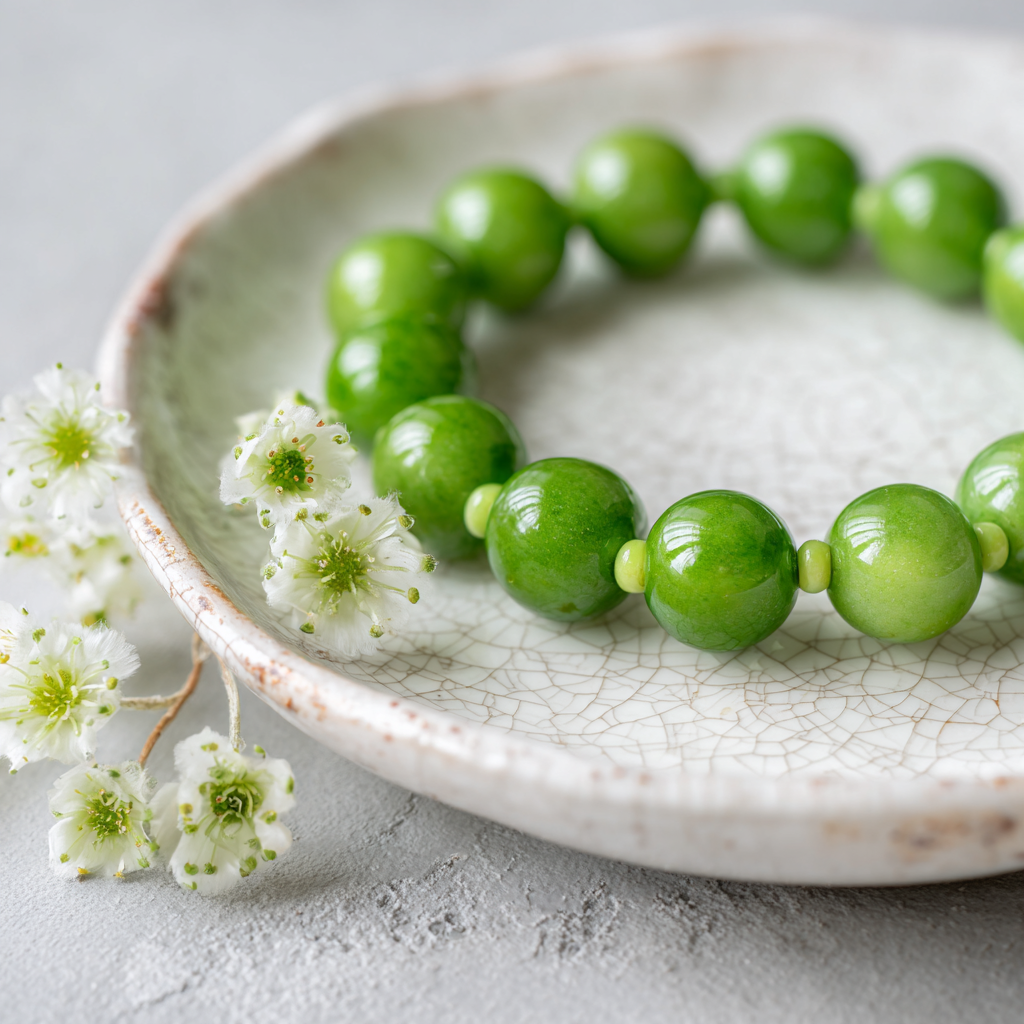
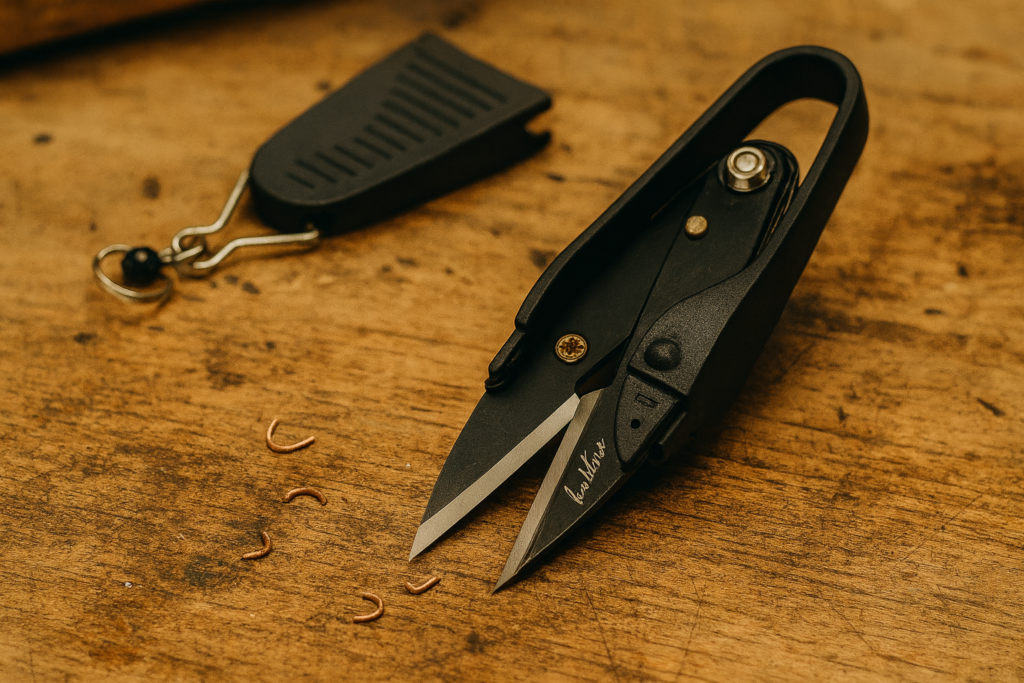
Tools

Steps
1
Measure your wrist – Wrap a thin strip of paper around your wrist and measure your wrist for size, then add a couple of extra centimetres so you’ve got room to roll on and off. I sell three sizes of stretch bracelets at www.OhSoCherished.co.uk, a small 17cm, a standard at 19cm and a large at 21cm just to give you an idea.
2
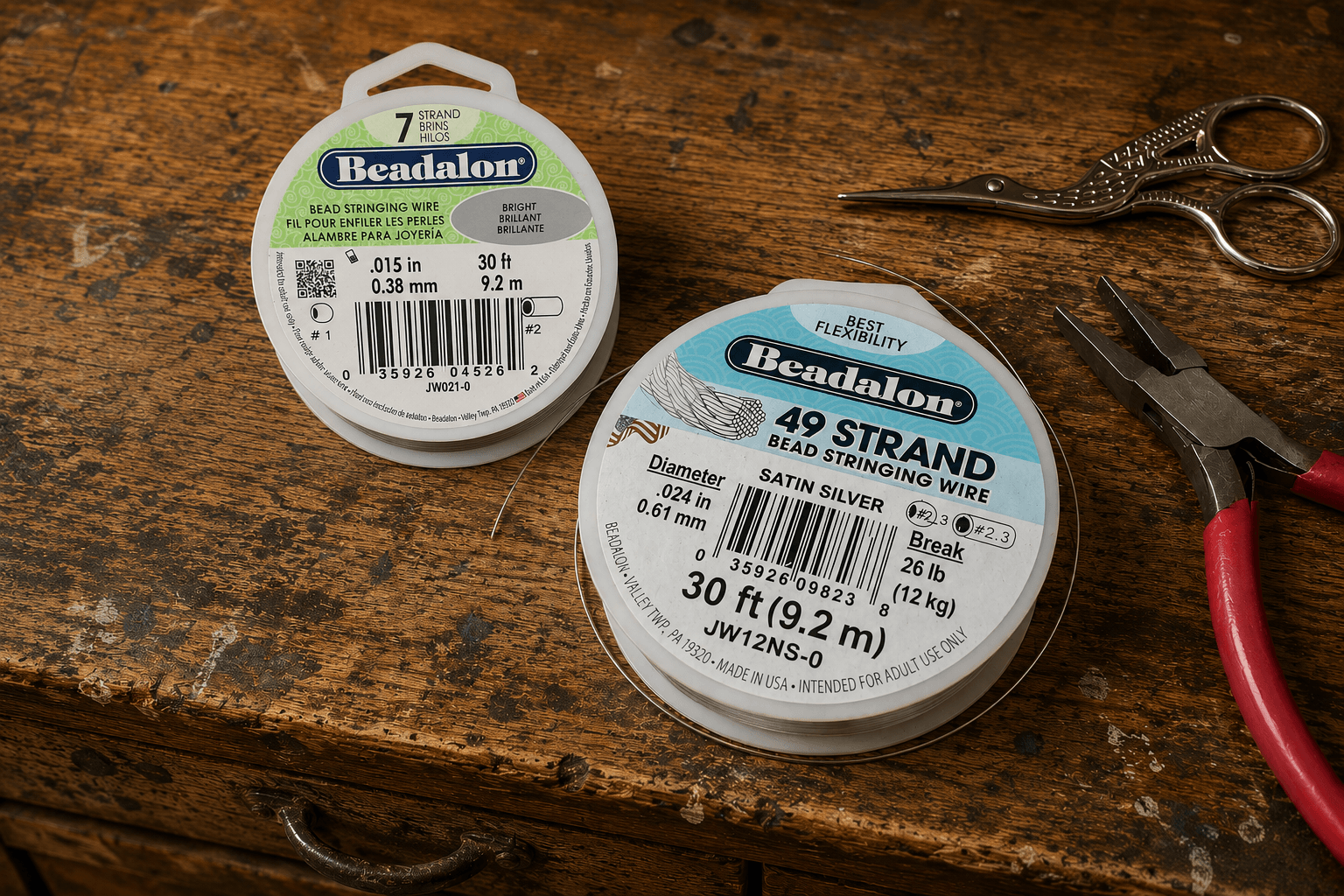
The number one reason stretch bracelets snap is cheap, thin elastic 😬 – sorry! When someone buys one of my pieces, I want it to last, not just look pretty on day one. After years of testing every brand under the sun, I only ever use Beadalon Elasticity Elastic in my studio, it’s super strong, stretchy, and feels like a tiny rubber band.
My go-to size is 1mm thick but the 0.8 is also good, I wouldn’t go below 0.8, but depending on your bead hole size – choose you thickness. I cut a length of around 25cm per bracelet, leaving that extra bit for a neat, secure knot.
👉 Here’s the Beadalon Elasticity I use. You can pick this up at most good craft stores or on Amazon, why not give it a try for yourself with this small 5 metre roll, you’ll really notice a difference.
REMEMBER: Elastic doesn’t last forever. After a bit of wear, it starts to relax, or loses its bounce, and that once-snug fit becomes a bit…floppy!
One of the best little tricks I’ve learned over the years is to pre-stretch your elastic before you start beading. Just hold each end of the cord and give it a good firm tug a few times – three or four usually does the trick. It helps take out that initial ‘give’ so your bracelet keeps its shape better. A teeny habit that makes a big difference 😅.
3
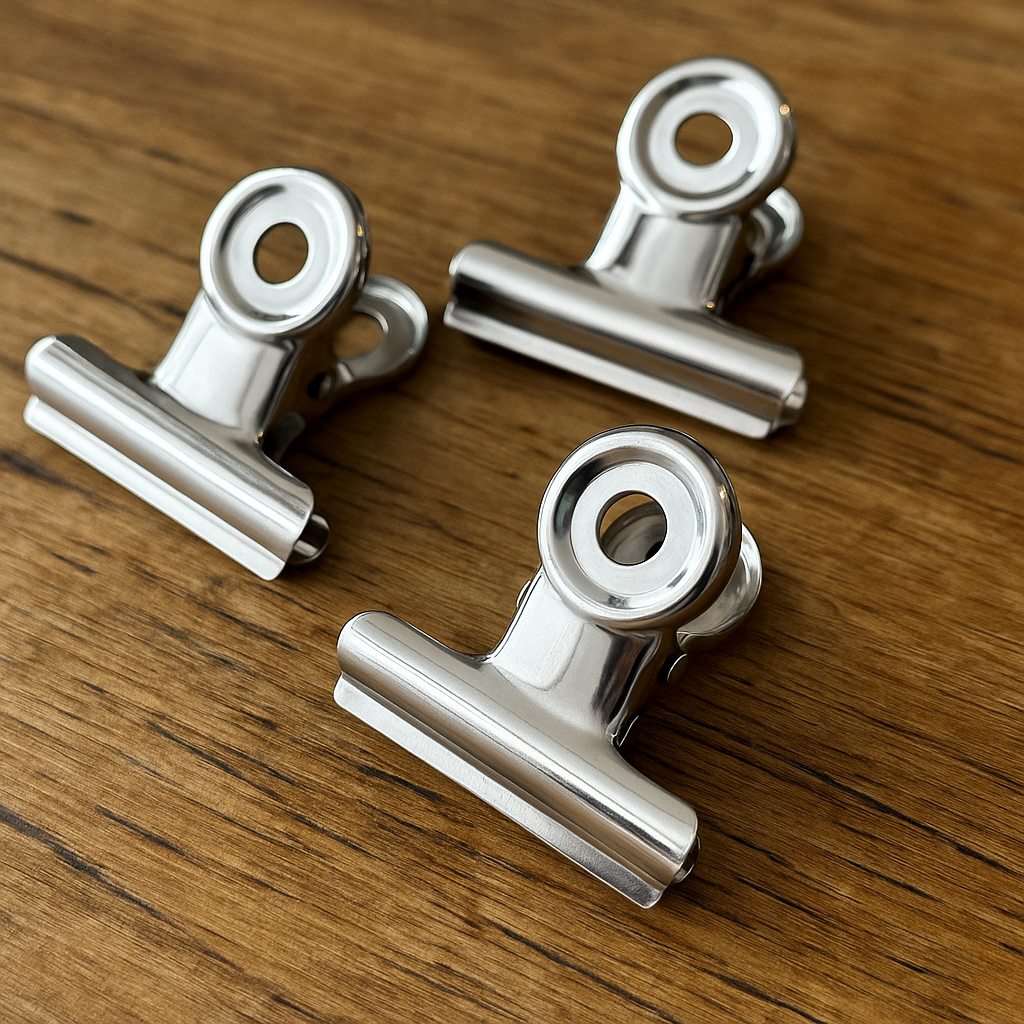
String your beads – I use my trusty old mini bull dog clips to hold the beads onto my elastic…love em!
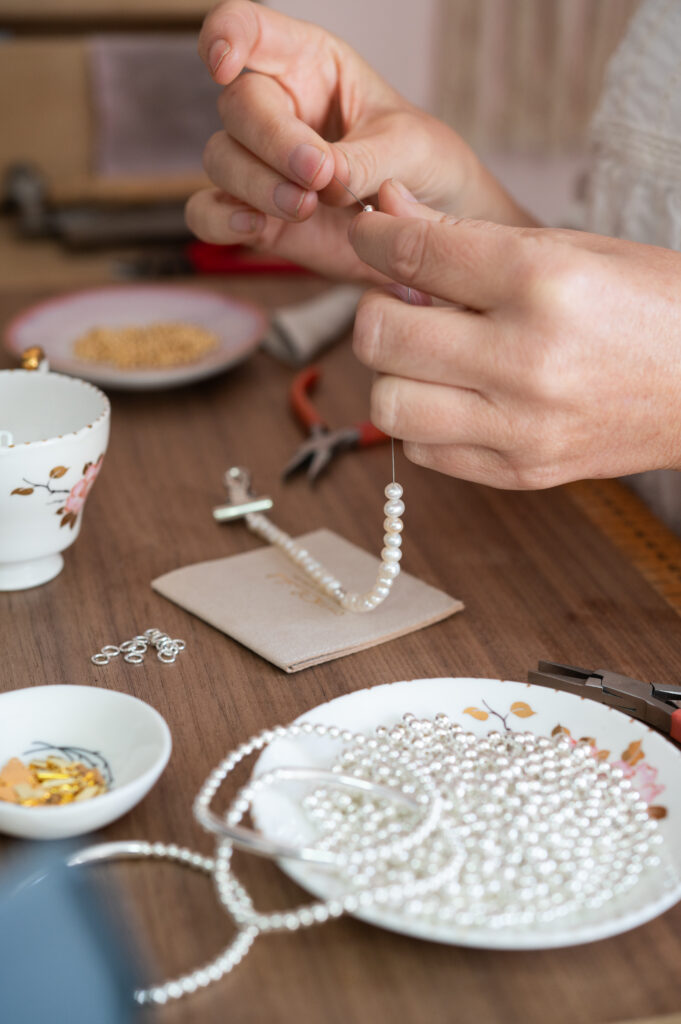
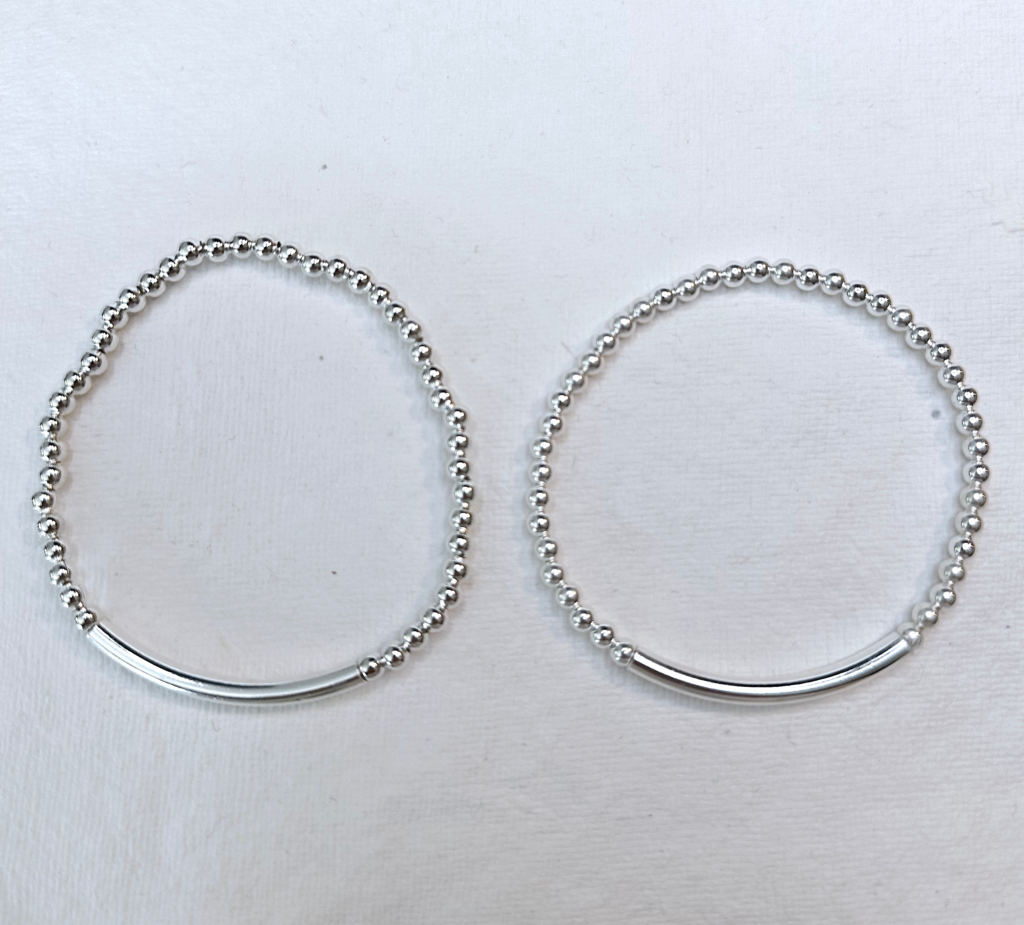
If you have a large hole in your bead, the bracelet can almost look bunched together (see the image below), it’s not beautifully round like the bracelet on the right, so be careful of this as it tends to make the bracelet look less refined. Try and get elastic thickness near to the size of the bead hole to avoid this.
4
Test the fit – Before tying, wrap it around your wrist to check it’s the right size for you – not too tight, not too loose.
5
Tie your knot – A good old fashioned simple knot x2 is what I do. Give it a gentle pull to make sure it’s secure, not pulling to tight that it snaps!
6
Trim – Trim any excess elastic, leaving around 2mm excess from the knot.
If you’re about to make your first stretch bracelet, these 10 tips will save you a whole lot of snapped elastic and frustration…

7
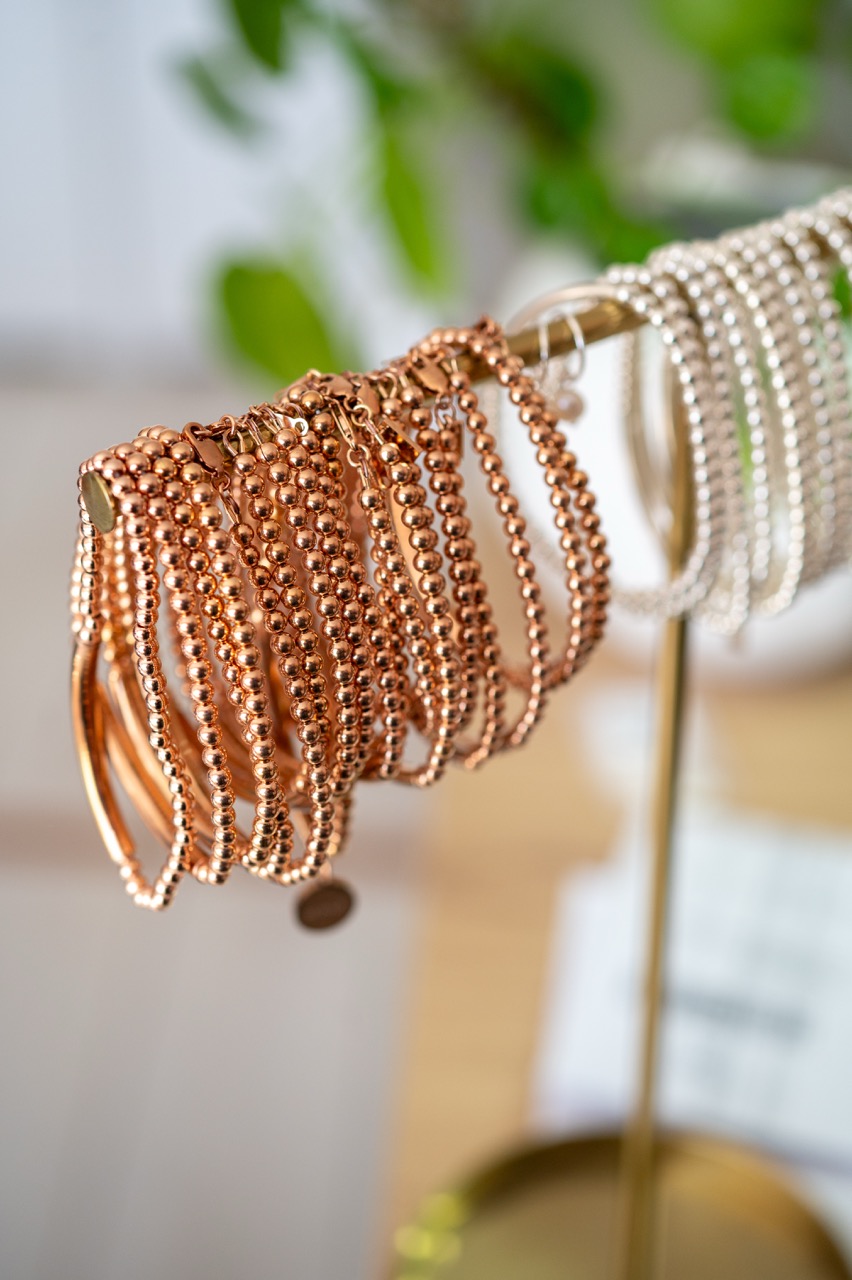
I dot a teeny tiny dot of jewelry glue onto your knot – High strength glue so the knot doesn’t come open. I’ve tried many jewelry glues over the years, but now only use High Strength Oily Glue. I just don’t want my glue to fail on customer orders and for me this is the best I’ve found at the moment (and it’s not oily! 🤗). Always let your glue dry overnight and be super strict with this, I never send orders out unless they have had a full night drying. I hang mine to dry off my super handy brass jewelry stand see below…so handy!
8
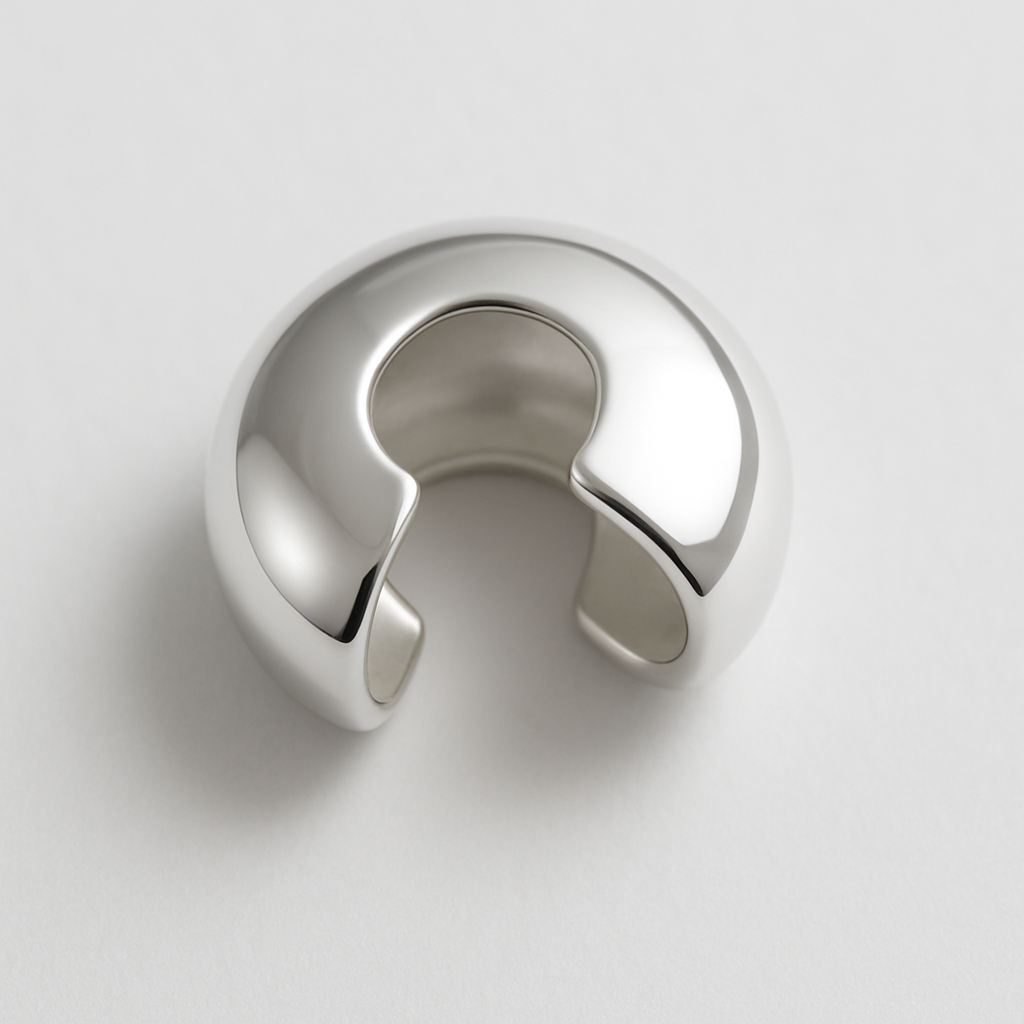
Little tip: once your glue has fully cured (leave it overnight), add a 4mm, 5mm or 6mm silver or gold crimp cover. Position it neatly over the dried knot, then gently close it with flat-nose pliers to conceal the finish.
The key here is fit. Your crimp cover should sit comfortably over the knot, large enough to enclose it, but not so tight that it compresses or stresses the elastic.
You may hear some makers advise against using crimp covers, suggesting they can cut into the elastic and cause breakage. In practice, this comes down to sizing and technique. When the cover is properly fitted and closed with care, there’s no reason it should damage the elastic.
After 20 years of making (and consistently using crimp covers), I’ve never found them to be the cause of a bracelet snapping.
One final detail, I always choose sterling silver crimp covers (a softer, more forgiving metal) or well-made gold filled options. Quality makes all the difference here, both in how they close and how they wear over time. For sterling silver crimp covers give these ones a go here.
9
Stack and admire – One down… now make a few more and layer them up!
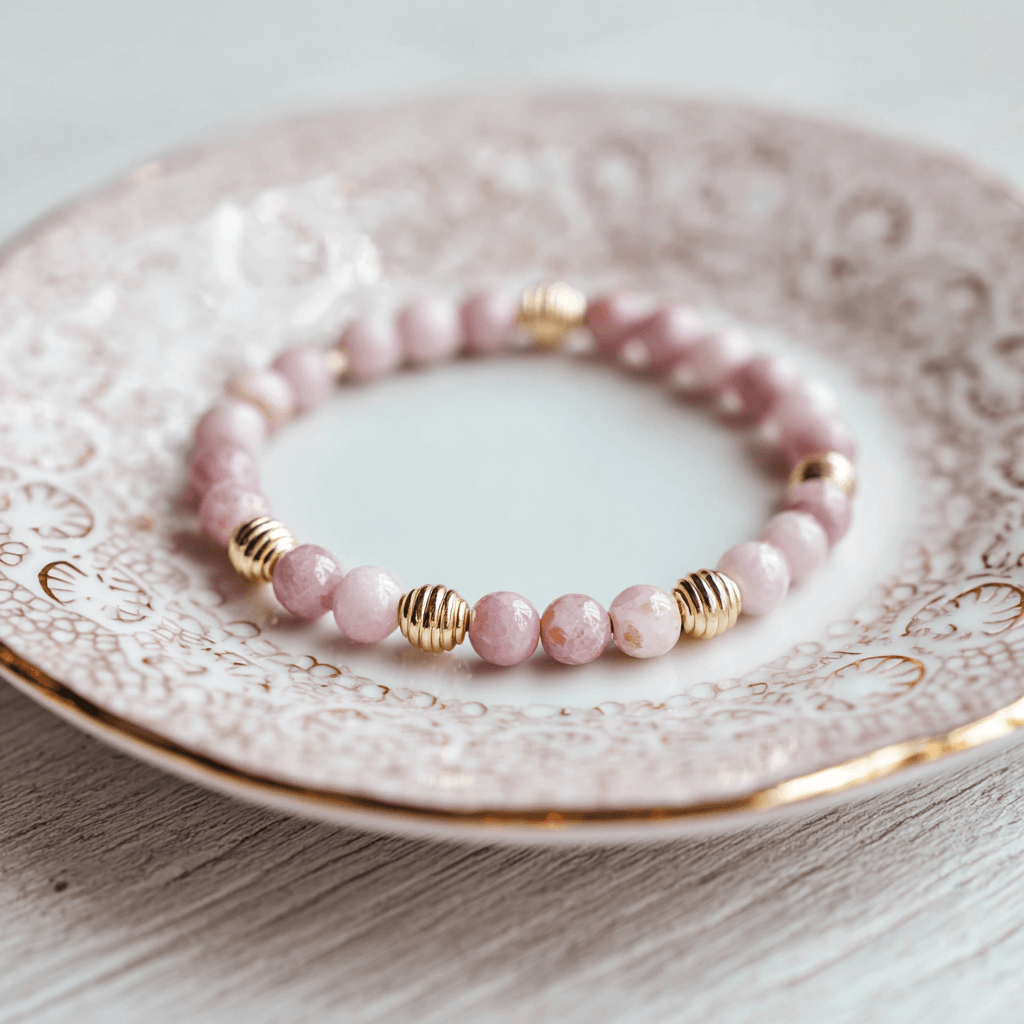
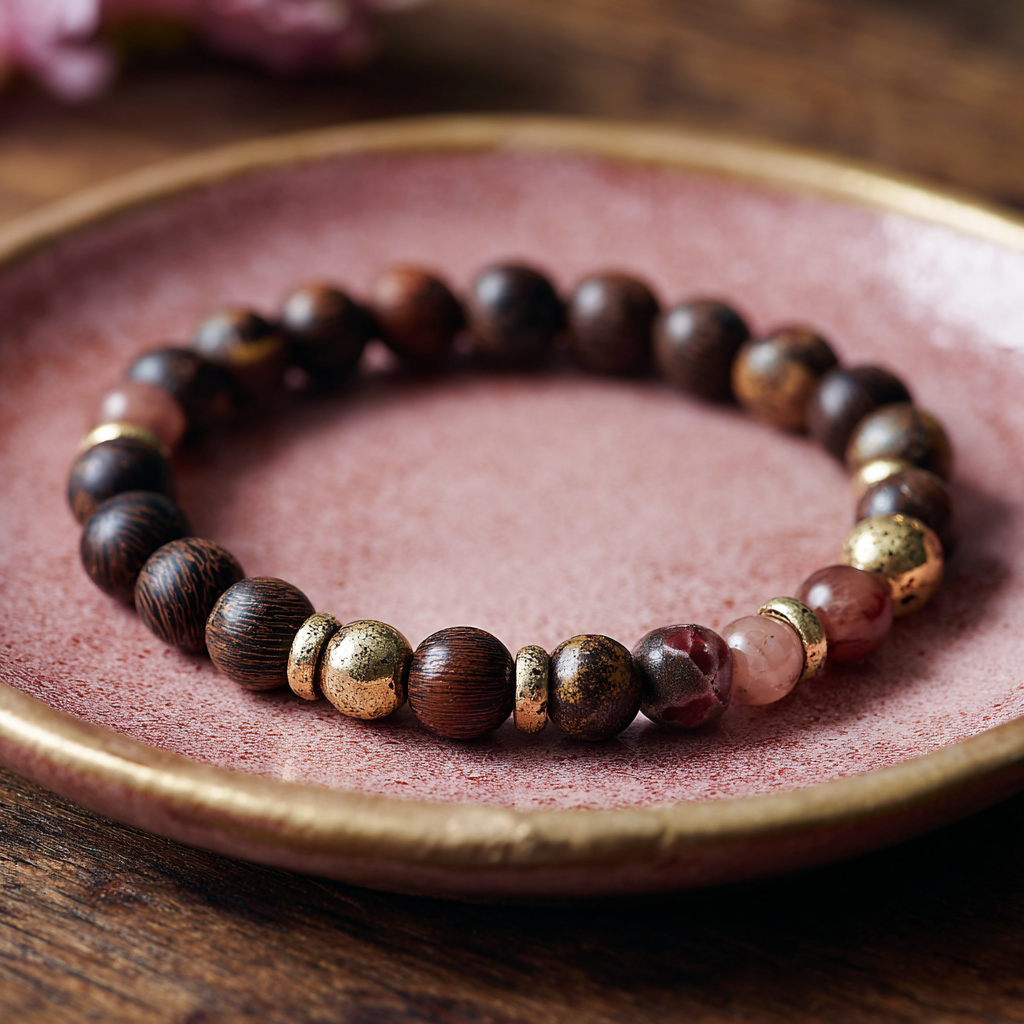
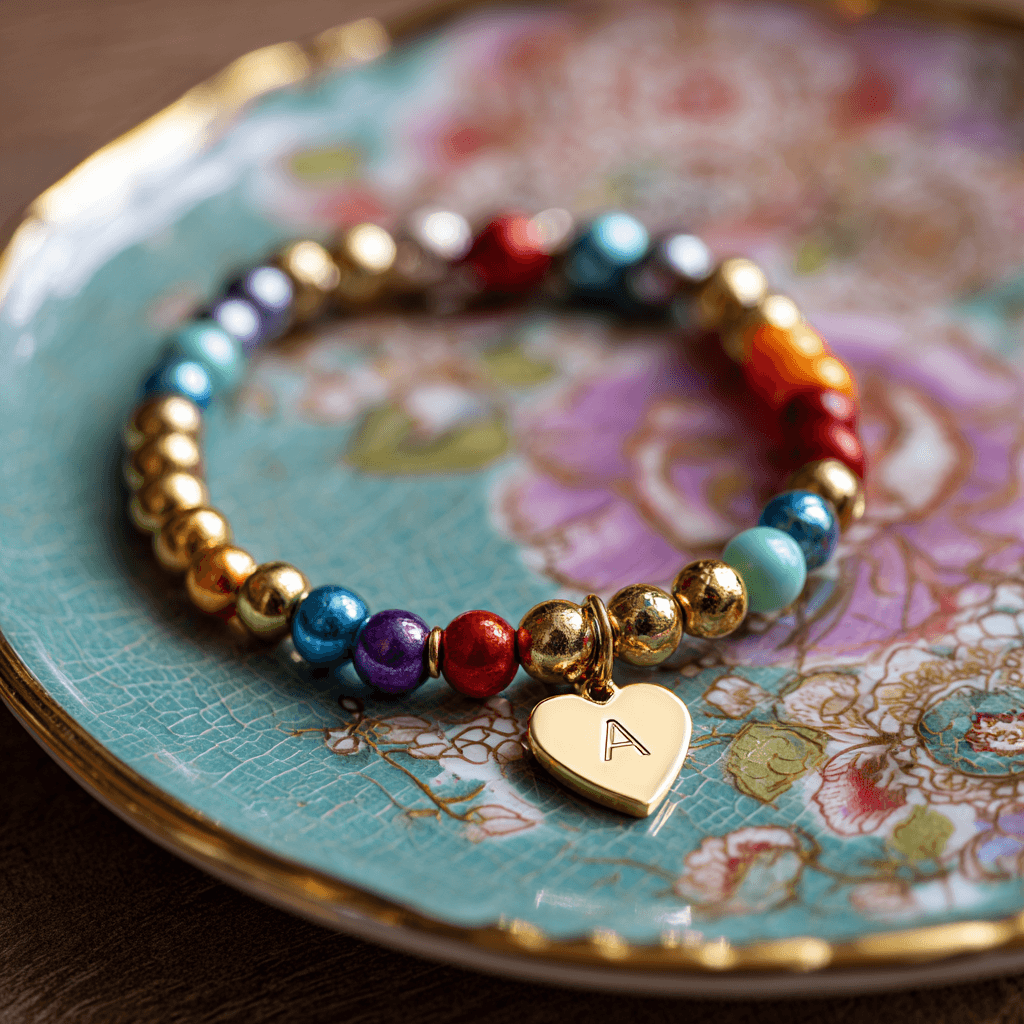
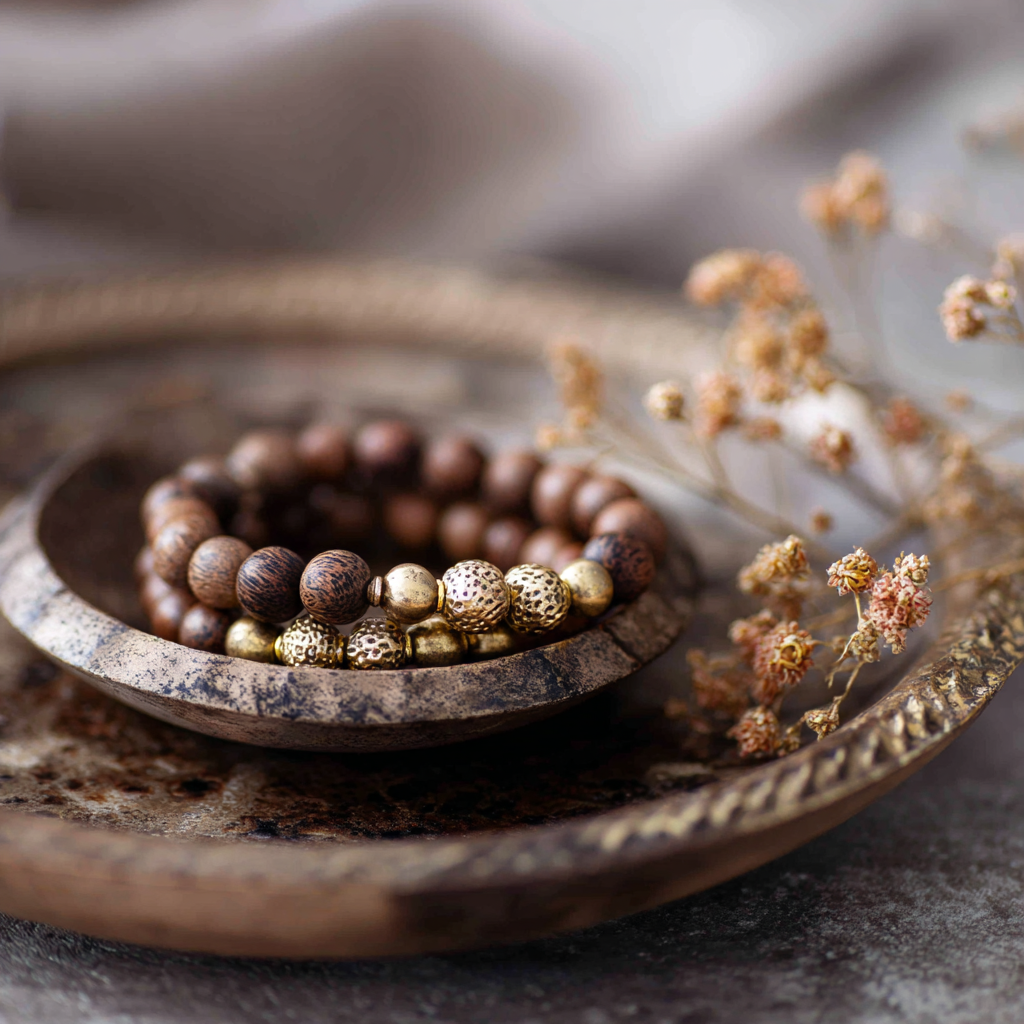
Once you’ve mastered the technique, you can go wild with lovely colours, sizes and materials! You know what also looks lovely, recycled beads. Finding gorgeous glass, crystal, wood, pearl beads from charity shops to make fresh new recycled stretch bracelets….have fun!

related read
Why Some Stretch Bracelets Look Professional (And Others Don’t)
Choosing The Right Elastic Thickness For Your Stretch Bracelets
You’ve just seen how to create your bracelets, this checklist pulls everything together + adds a few extra making tips...
Heads up! – I’ve included Amazon affiliate links in this post. If you choose to buy the same products as me through them, I may earn a teeny weeny commission (no extra cost to you though) – thank you for supporting my blog!