Selling your handmade beaded jewelry

Turn your handmade pieces into something people actually want to buy
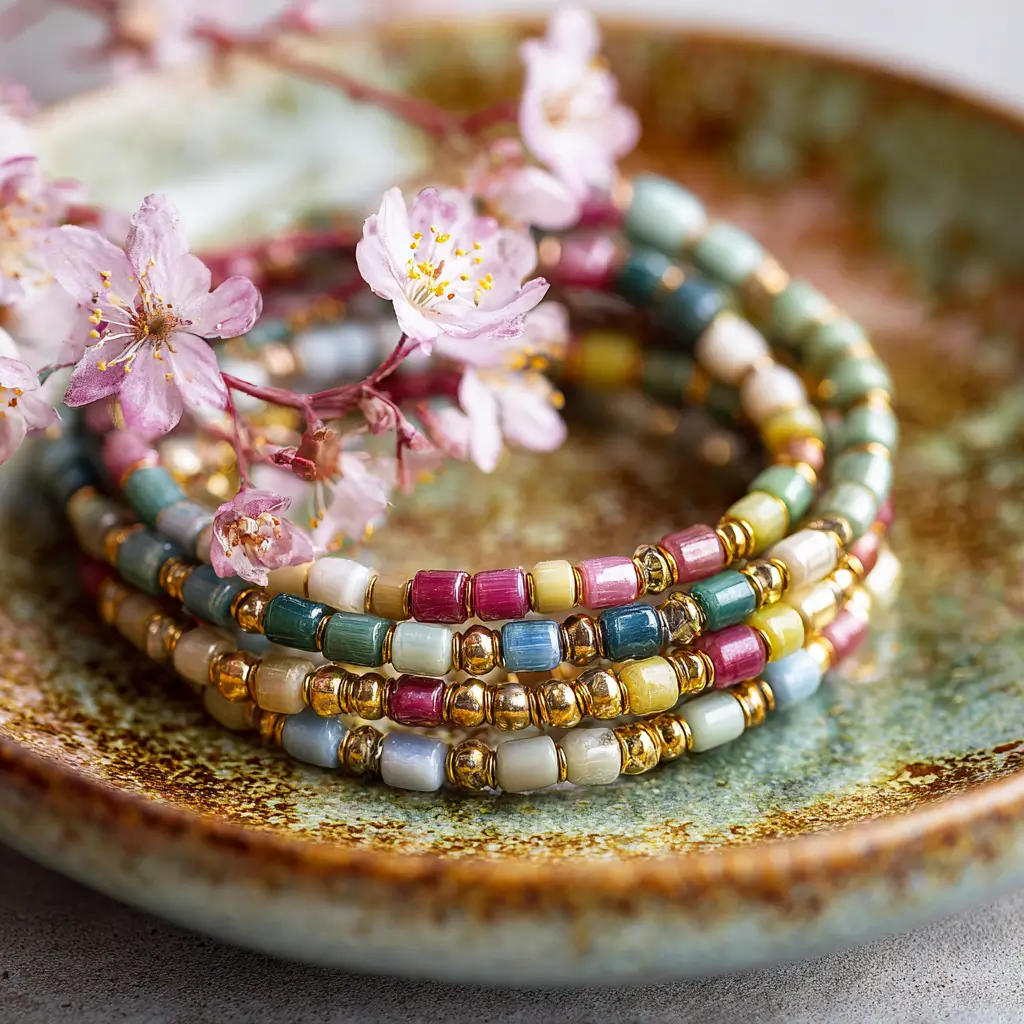
Most jewelry brands don’t start with a business plan. They start at the kitchen table or a sunny home studio. A hobby. A few beads. Followed by a little thought of:
Could I actually sell these…because I love doing this?

Plenty of guides will tell you how to start a jewelry business.
This one is about dipping your toe in, testing, and seeing if selling is right for you.
Because making pretty things is lovely.
Making pretty things and earning enough to support your life is something else entirely.
I’ve learned that success isn’t about selling more and more, getting bigger and bigger.
Here, it’s about designing a business that works for you, gives you freedom, not one that slowly takes over your sanity.
Is it worth it I hear you say!
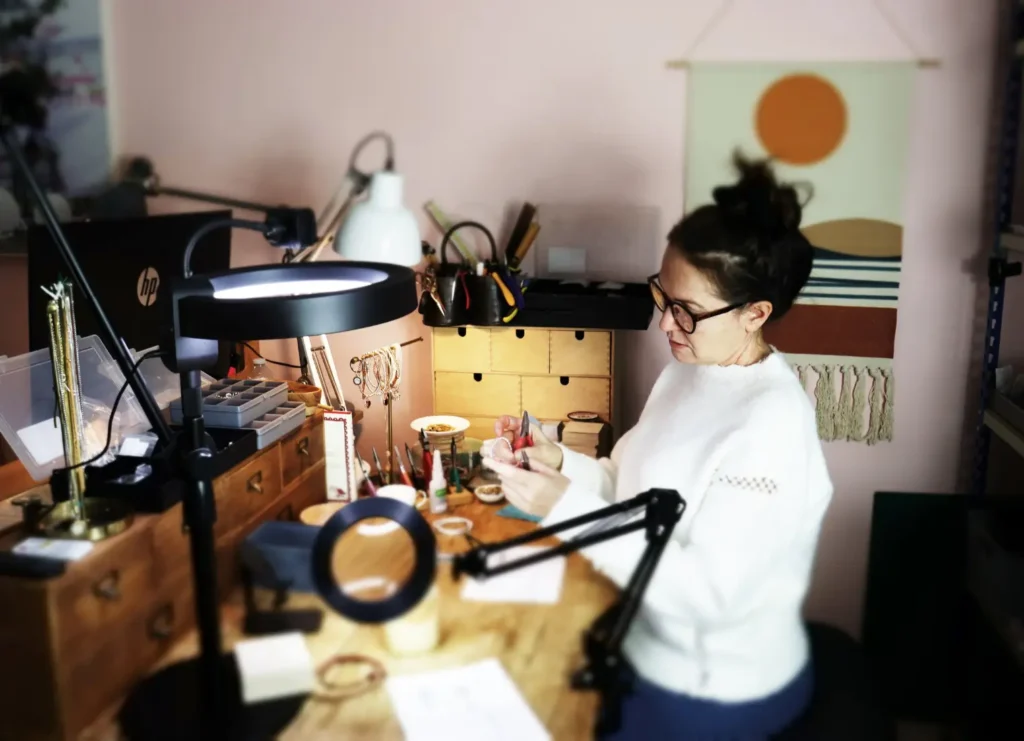
Absolutely, yes, yes, yes. I’ve been in the jewelry industry for over 20 years. These days I run a six-figure jewelry business as a solopreneur, selling from my own website and on Etsy from my home studio. Along with Lola AKA Tickle my very vocal Furry CEO.
Selling is hard, keeping it going is harder, the profit is there if you build it on the right foundations. Get your pricing right, understand your costs, and treat your creativity like a little business from day one. Do that, and you’ll give yourself every single chance to turn your passion into your very own beautiful lifestyle business….🤗 how exciting, right?
So, if you’ve been dreaming of selling your own handmade jewelry – whether it’s from your spare room (where I started), from your campervan, or your own studio in the garden – here’s exactly where to begin…
1. Start with – what do you want from it?
Before you start, just ask yourself:
What do I actually want my jewelry sales to give me?
Is it a little bit of extra income as a side hustle? A full-time living? To build a brand and work from home, so more time with the kids? A portable, creative digital career you can take anywhere? Your answer shapes everything that follows – from what you make to how you sell it.
Over the 20 years of running my business, my needs has changed massively depending on what I actually needed at that time in my life. It was once to build a big gift and jeweery brand. Now it’s very, very different…
I’ve always built my life around one clear goal – my own freedom – so no 9-5 😉
Now, I desire even more freedom, freedom to work from anywhere, even the other side of the world. I crave flexibility, adventure, and the space to travel more and see family in Australia, which is exactly why I started this jewelry blog. Once you know what your needs are, you can really start creating things.
Some people just aren’t built for the 9-5, clocking in and out working for someone. Maybe you’ve tried it – the schedules, the rules, it slowly drains the spark out of some people (that was me!). If that sounds familiar, you’re so not alone, you’re just wired for something different. Being self employed and having far more freedom isn’t a fantasy; it’s an amazing, challenging, fulfilling direction. You can design a business that bends with your life, one that grows with you through every season of your life which is what I’ve done for the past 25 years, by creating a ‘lifestyle business’.
But! at the heart of it all is pricing (I know, you will get sick and tired of me saying this). Get your pricing RIGHT, you’re not just making beautiful jewellery – you’re funding your life and your ongoing freedom.
2. Find your jewelry style/niche
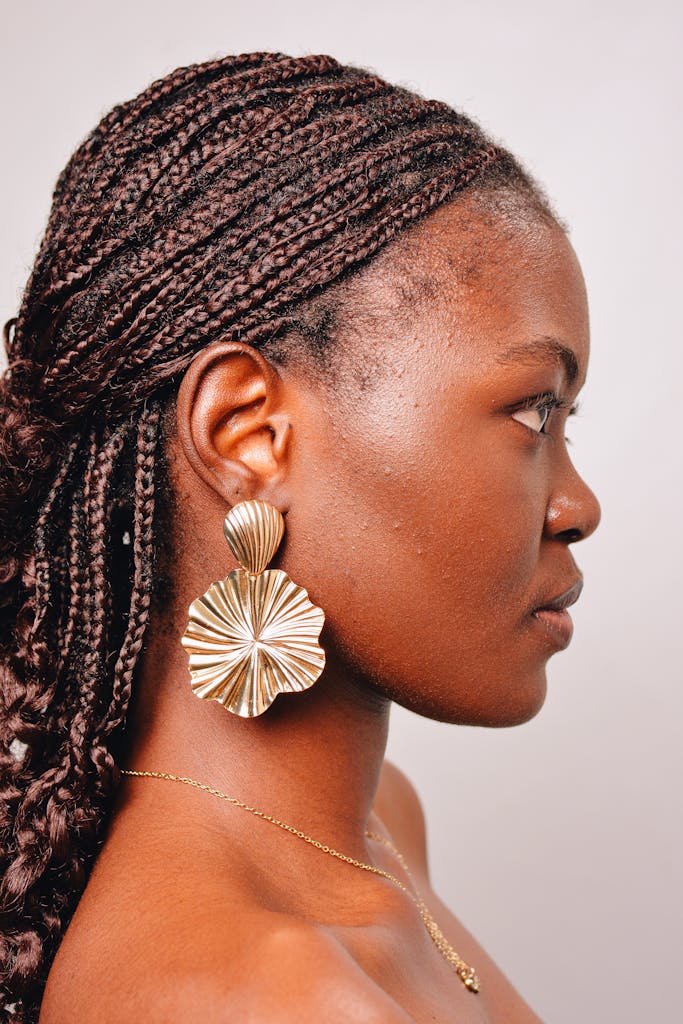
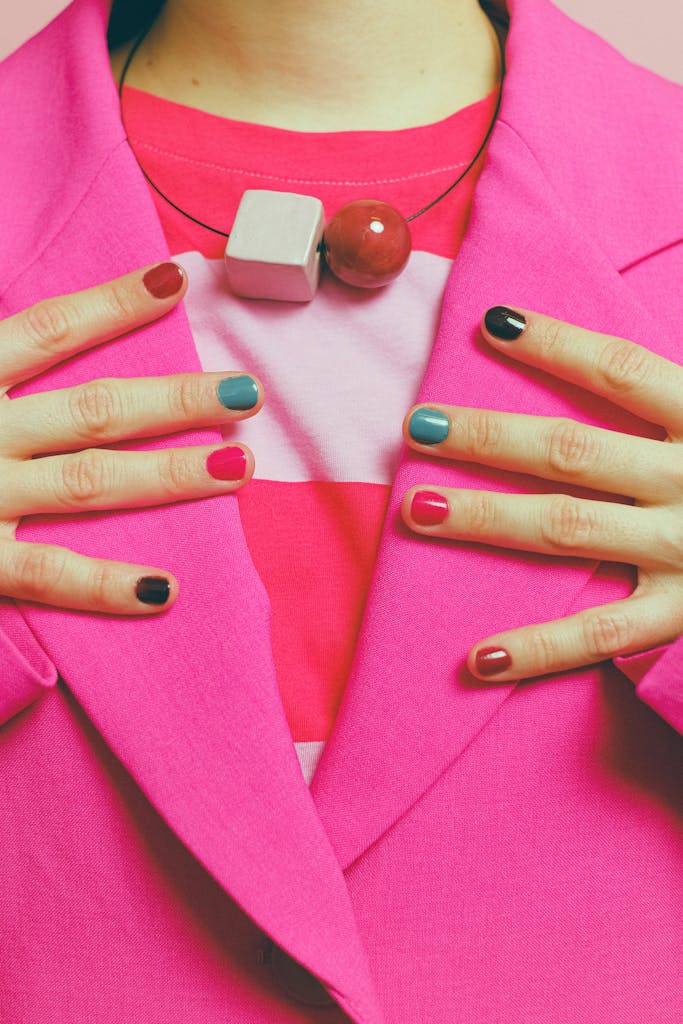
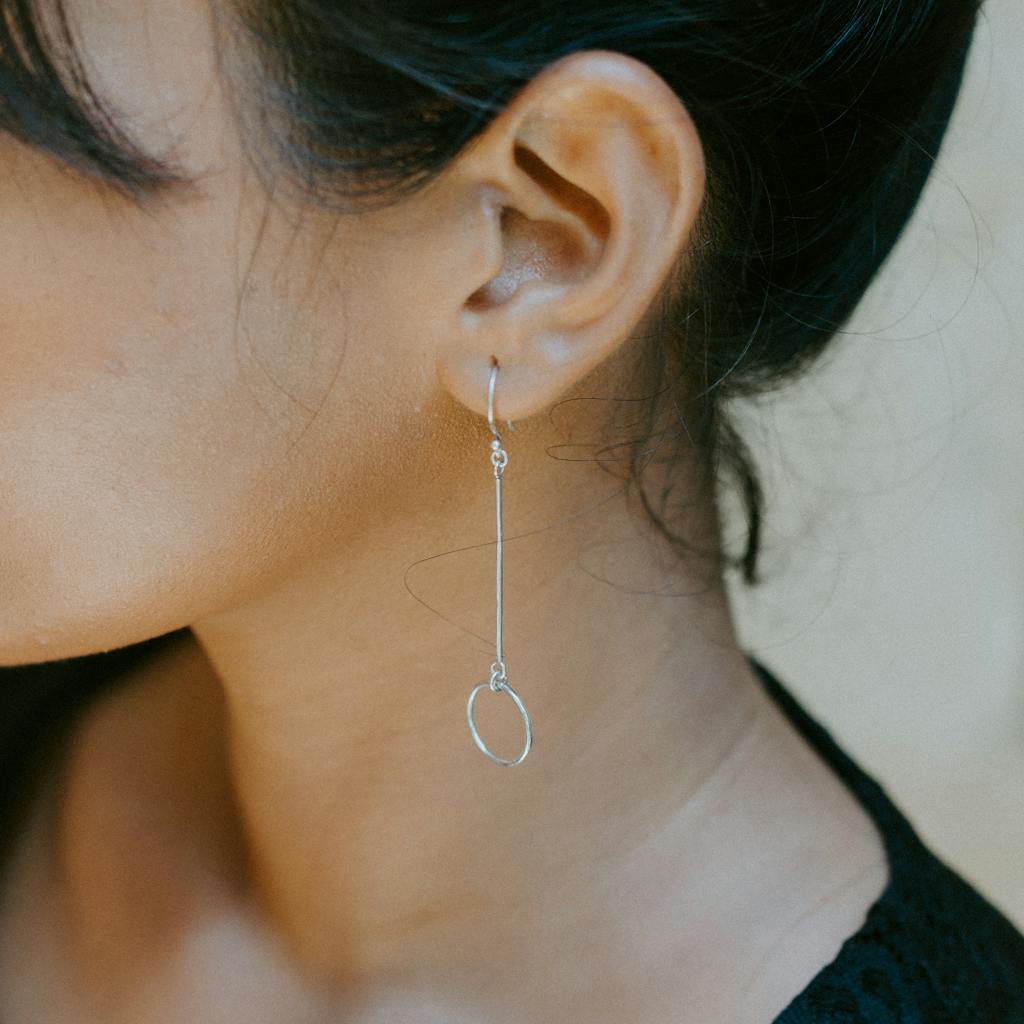
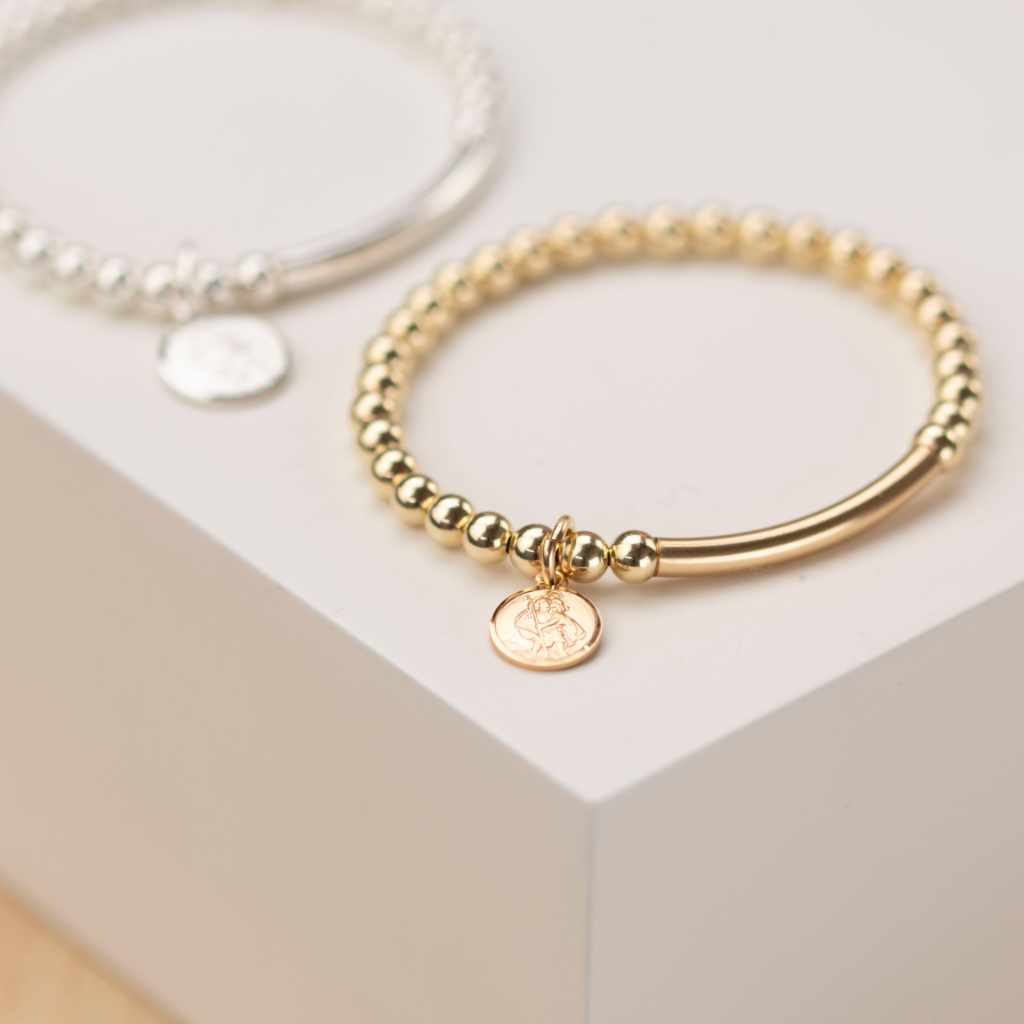
You don’t have to live in one tiny niche, but you do need a good direction. Your style, your story, your perspective. That’s what makes your jewelry yours.
Maybe you love minimalist silver, boho beading, or meaningful keepsakes. Maybe you want to make jewellery that marks life’s moments – or simply curate a waterproof fashion brand.
Start by making or curating what you love to wear. Notice what people comment on, what friends ask to buy, what you naturally keep returning to. That’s the beginning of your brand voice. That’s the thing people will remember you for.
Still trying to decide what to sell? Here’s my guide on how to find your jewelry niche
3. Create your first collection
Start small and keep it super simple. A collection doesn’t have to mean dozens and dozens of designs and material options and colour ways – just a few pieces that feel connected and tell a little story. Think in themes: shape, material, milestone or meaning. Maybe it’s travel-inspired, minimalist silver, or birthstone treasures. A small, well-thought-out collection feels intentional and looks cohesive in photos – it helps people instantly ‘get’ your style (and fall in love with it).
Where possible, also think sustainably – use quality materials and ethical suppliers, even consider recycled options. Customers care about where their jewellery comes from, and transparency and care builds trust.
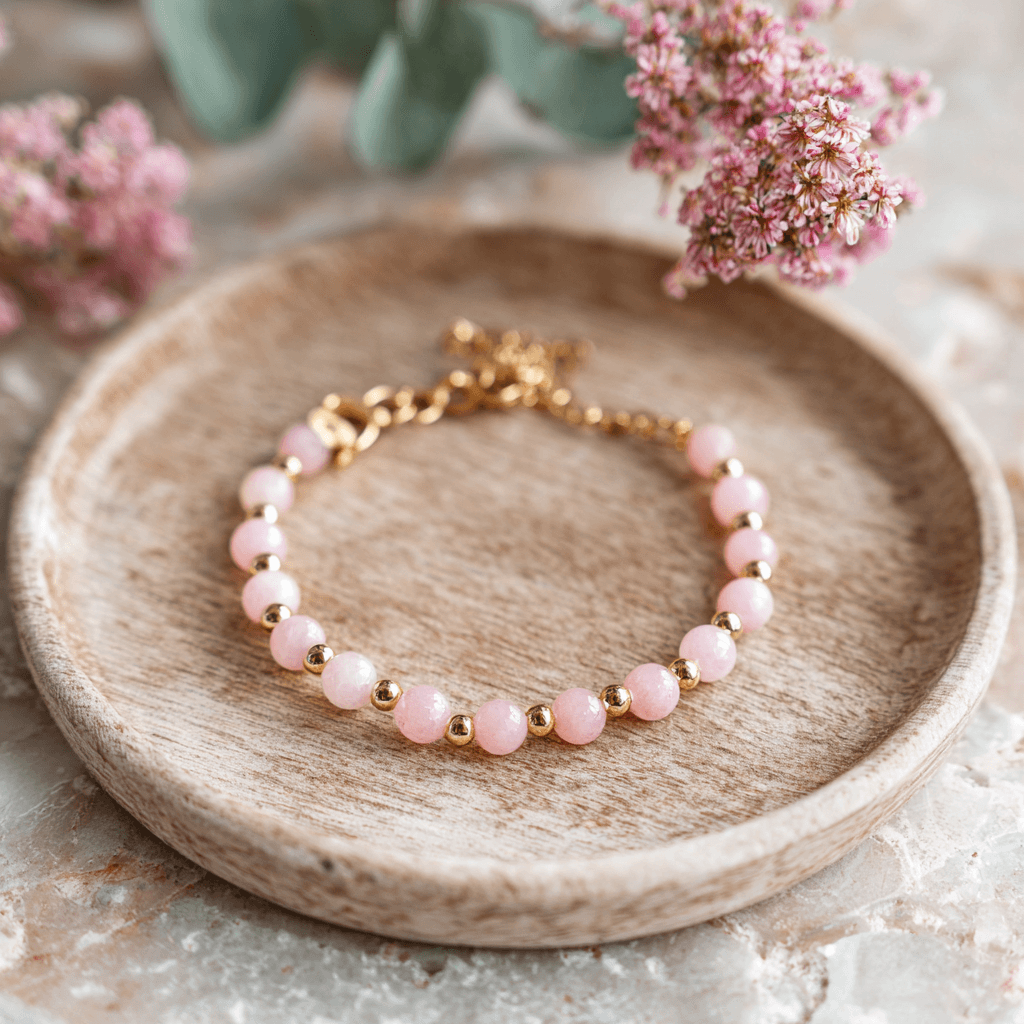
4. Sort the boring (but vital) bits
Sorry – this part doesn’t shine, but it’s essential 🫣…
Within the UK
If you’re starting out as a sole trader (selling) in the UK, it’s actually simpler than it sounds. You’ll need to choose your business name (it can be your own name or something unique – just make sure it’s not already in use in your sector), and register with HMRC as self-employed so you can pay your lovely tax through your yearly Self Assessment. From there, keep clear records of your income and expenses, and ideally set up a separate bank account so business and personal money don’t ‘mingle‘. You’ll pay Income Tax and National Insurance on your profits, and that’s really it. Start small, stay organised, and build from there.
Within the US
If you’re starting out in the US, the process is just as doable. First, choose your business name – it can be your own name or something brandable – check that it’s not already taken in your state. Then, register your business (usually with your state or county clerk) and apply for an Employer Identification Number (EIN) from the IRS – it’s free and only takes a few minutes online. Next, open a separate little bank account for your business, and keep clear records of your income and expenses for tax time. You’ll report your earnings as self-employment income on your annual tax return and pay both income tax and self-employment tax. Depending on your state, you might also need a local business license or to collect sales tax if you sell physical products.
Now that you’ve chosen and registered your business name, hop over to a domain provider and secure your web address. You might not use it right away – especially if you’re not building your website just yet, but it’s worth grabbing early so it’s yours when you’re ready.
If you’re working with silver or gold, check hallmarking rules, it’s only required for pieces above certain weights, but it’s worth knowing before you start creating.
In the US, there’s no official hallmarking system like in the UK. Instead, you’ll need to stamp your jewellery with the metal’s fineness (like 925 for sterling silver) and include a maker’s mark, your initials or brand symbol just to show who made it. It’s not legally required for every piece, but it helps build trust and professionalism.
Anyway, enough of the sensible stuff…
5. Brand styling
Branding isn’t just a name and logo. It’s your business’s personality all coming together. From your product, your jewelry tags, your branded jewelry box, the choice of tissue paper, the outer boxes to the photography style you chose and even the voice and tone on the little care cards you send out. It’s a lot to consider.
Two of my all-time favourite books are How to Style Your Brand and Brand Brilliance by Fiona Humberstone, you can get the paper back from Amazon. So helpful, so inspirational if you are going to start a creative lifestyle brand. I bought my copies nearly 10 years ago, and they still shine just as brightly in 2026. I find myself dipping back into them regularly – they’re timeless. Here’s a little extract from one of them…
What is brand styling?
Brand Styling is about bringing out the personality in your business with flair and intention. It’s about emphasising your best assets and creating a cohesive and compelling look. It’s about telling a story, evoking the senses and captivating your clients. It’s about aligning your identity with your business aspirations and helping you get to where you want to be, faster. By carefully combining the right balance of colour, pattern, type, illustration and photography, you’ll create a brand identity that’s authentically and distinctively you. I want to show you how to style a brand that reflects the very essence of your business and that helps you achieve your most ambitious of plans. – Fiona Humberstone
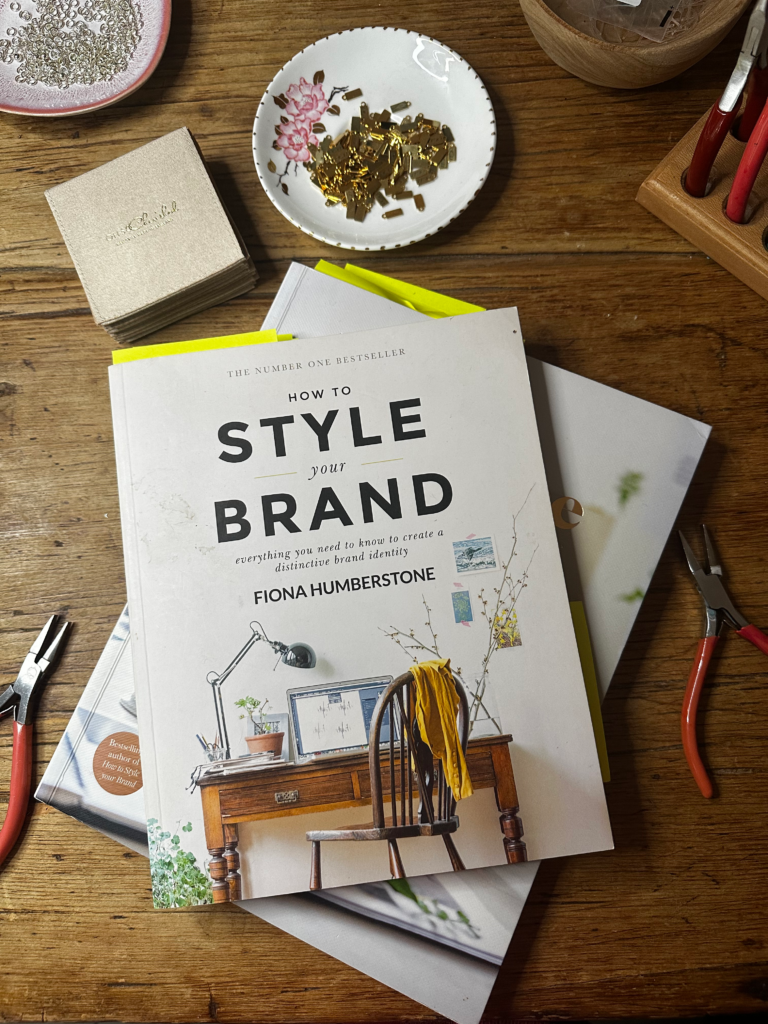
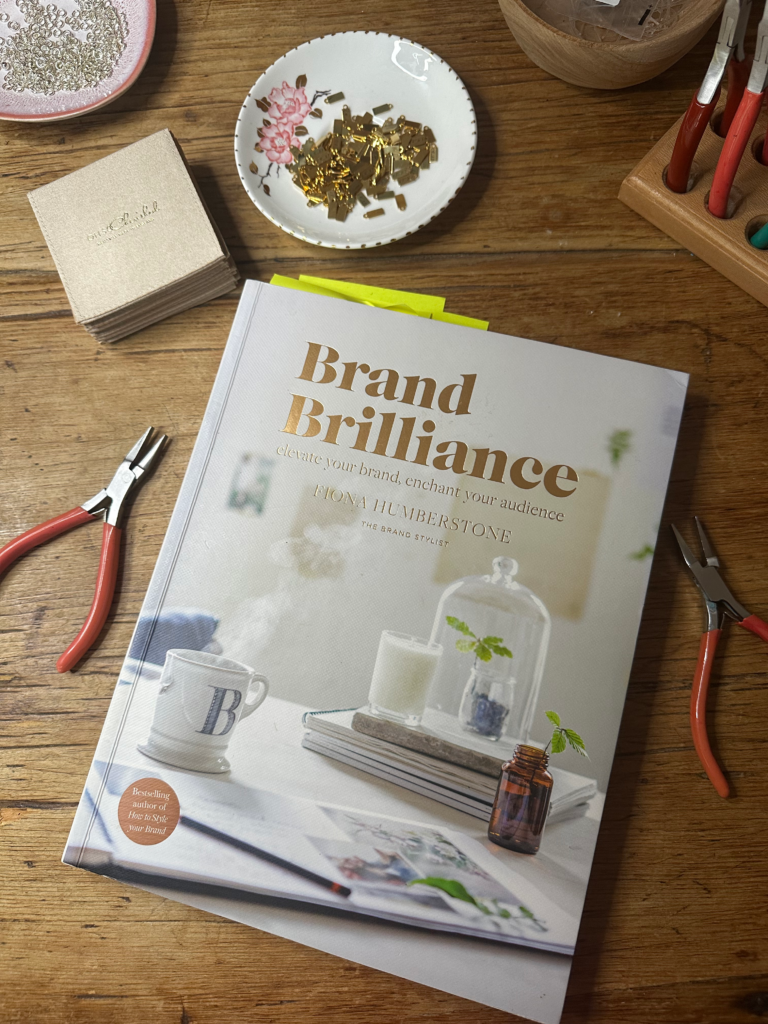
Brand magic right there!
6. Photograph your jewelry beautifully
Photography can make or break your sales if selling online. Great photos build instant trust – and they travel far on Pinterest. A scroll-stopping image is what turns a casual browser into a customer who thinks, ‘Oooh I need that’ and clicks Add to Basket.
If you’re creative, you’ll love photographing your own products – it’s one of the most rewarding parts of the process. Personally, I’d invest in a proper SLR camera, something like the – Canon EOS 4000D DSLR Camera, You’ll never regret it. I never use my iPhone for product shots – jewelry is just too small and intricate. A good 75-300mm f/4-5.6 III Telephoto Zoom Lens captures the sparkle, depth, and texture in a way a phone simply can’t (sorry, iPhone fans). Yes, the kit is an investment, but a stunning photo is what sells the piece before your words even get a chance to, over and over again.
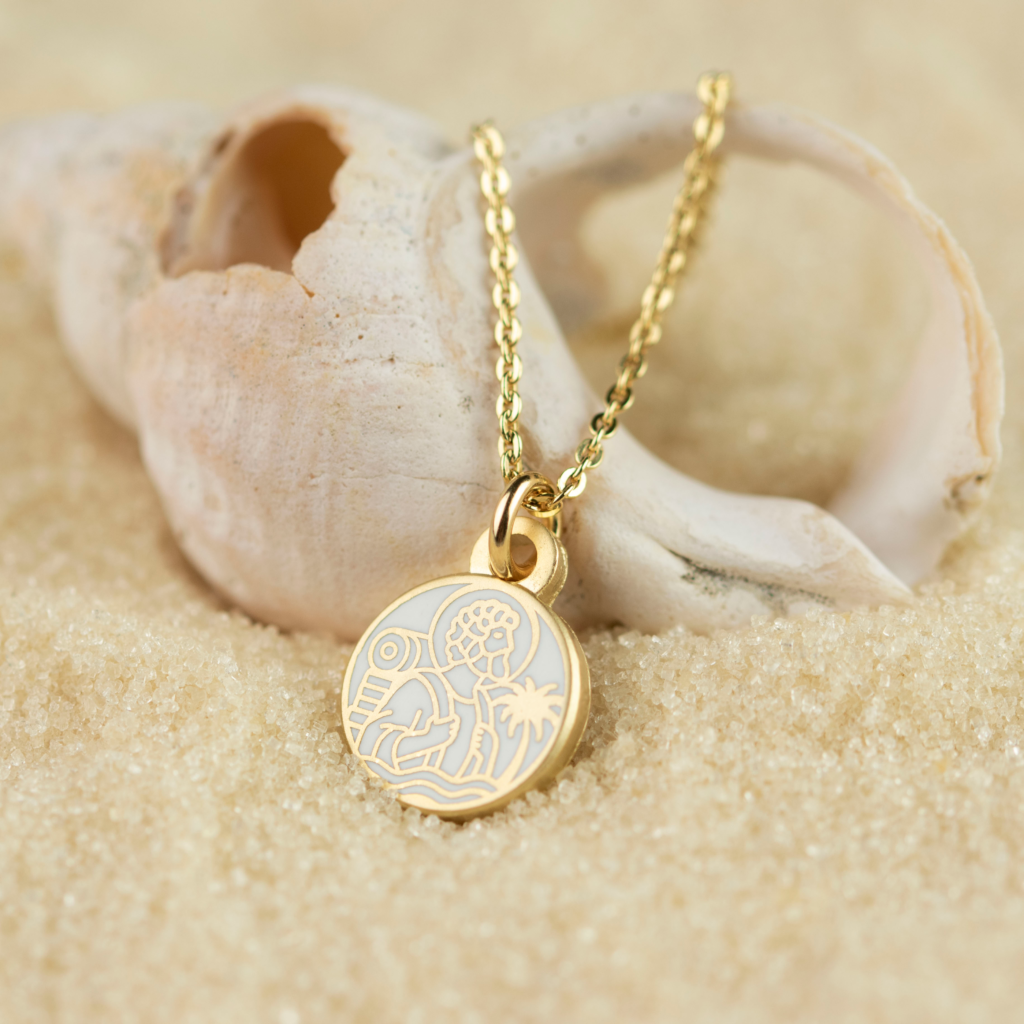
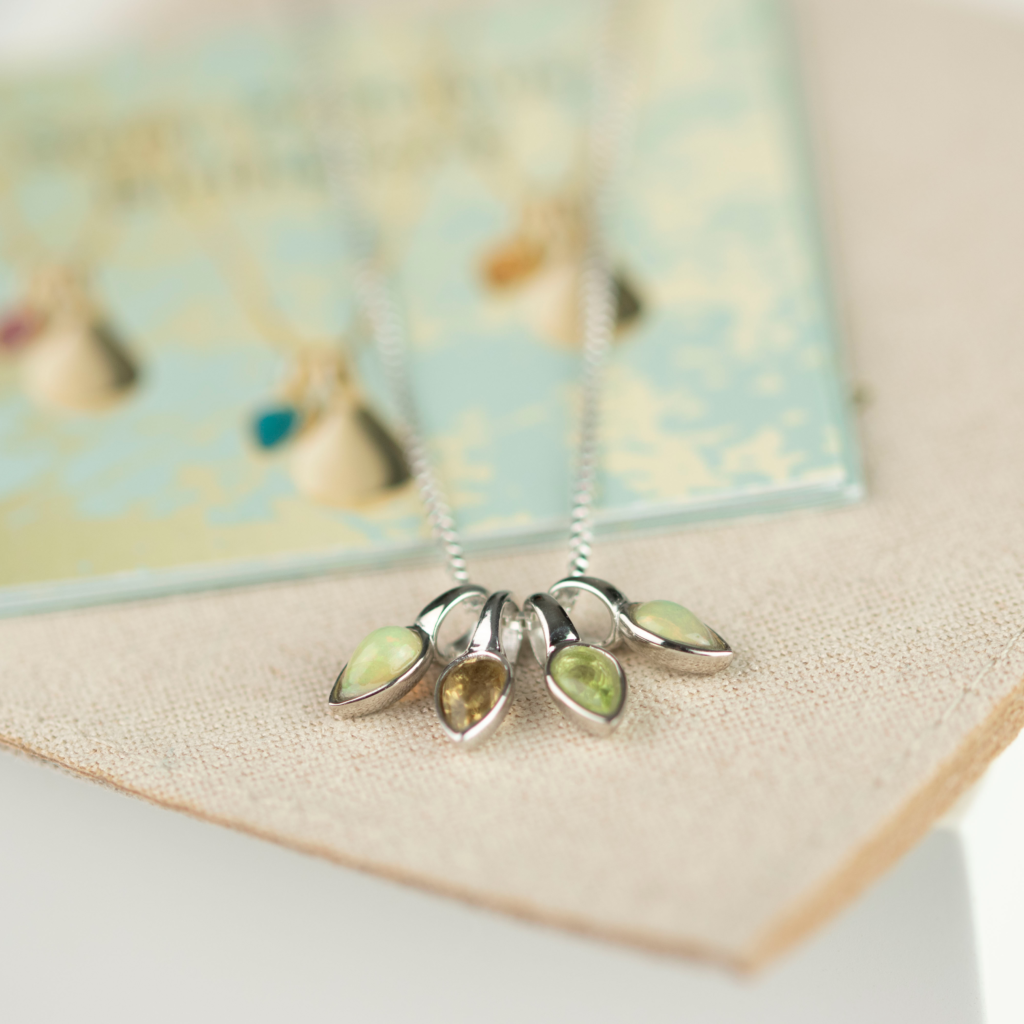
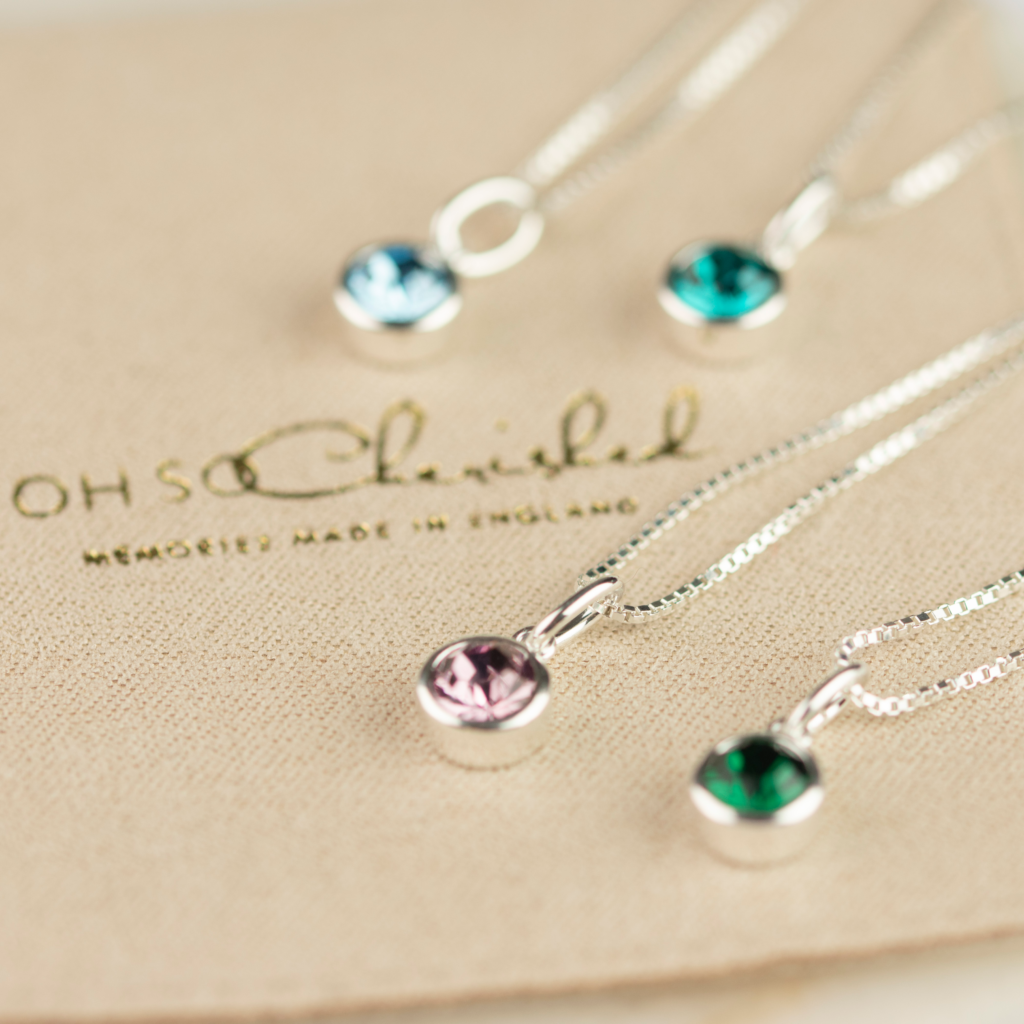
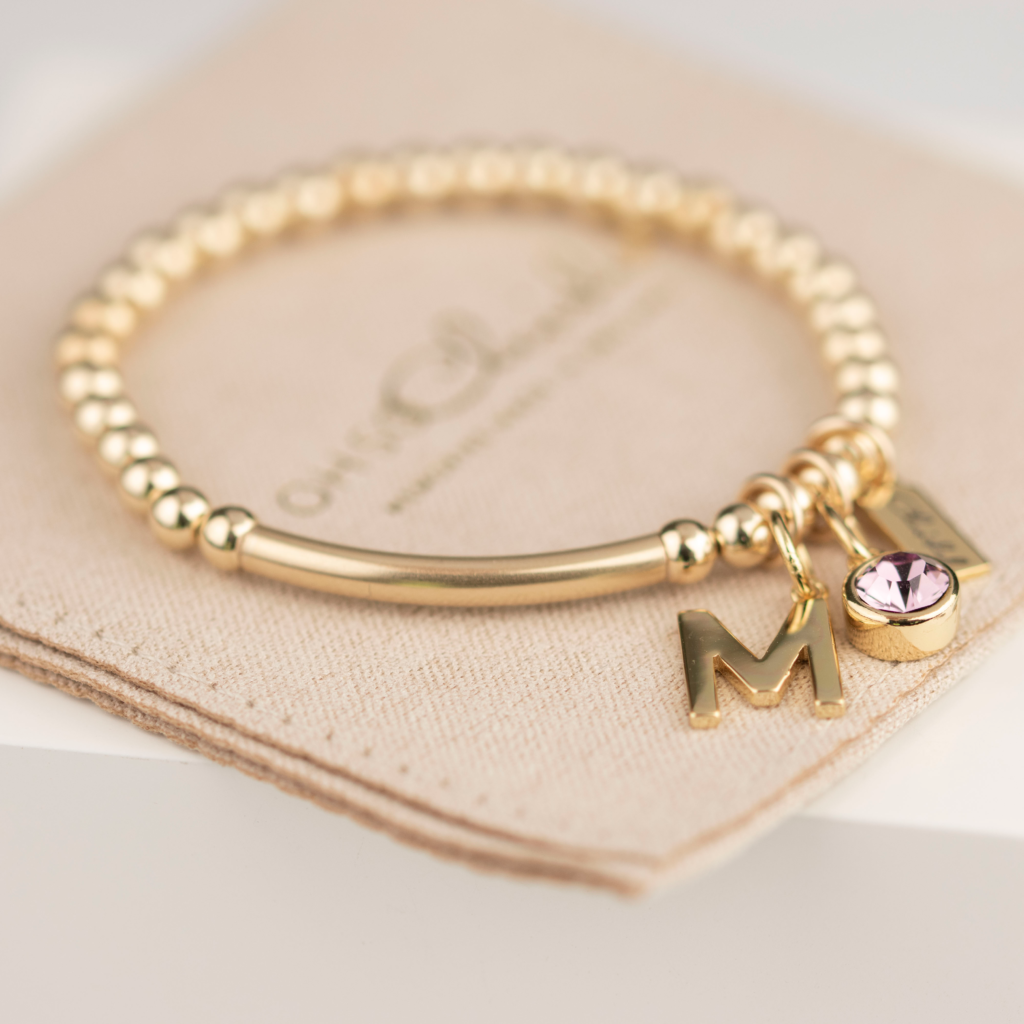
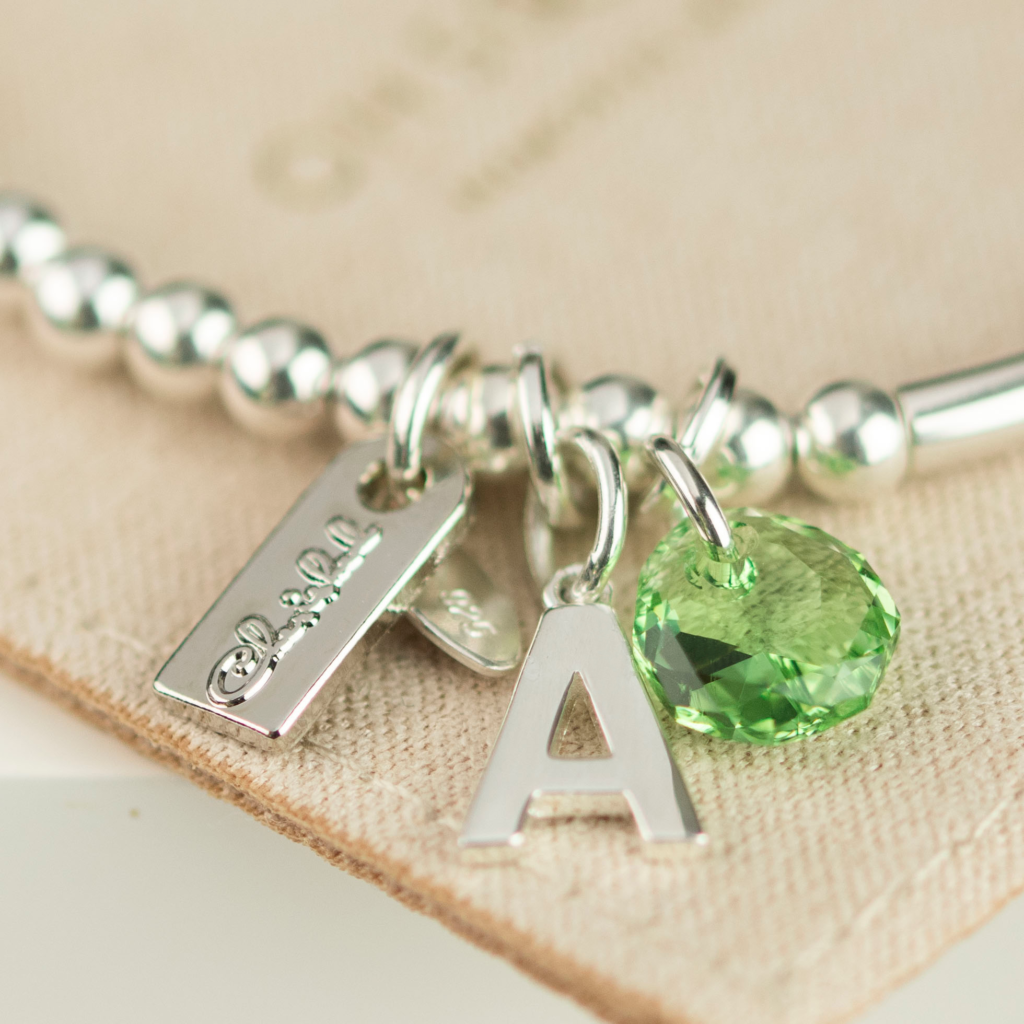
These days I shoot almost everything myself (see above shots) – I genuinely love photography. I’ve got a little corner of my studio permanently set up for it, with Softbox Lights and a simple desk setup that does the job beautifully. I can sound a bit over the top about this, but after 20 years of selling online, I’ve learned one momentous thing: this step is the most important one. Invest in it – it’s the difference between ok and being constantly sold out.
When I ran a larger gift and jewelry business, we had an in-house photographer – I invested heavily in this stage of a product’s life, it always paid off.
If you’re just starting out, don’t worry about having a fancy studio. Natural light and a clean background can work absolute magic. Add a touch of texture, linen, wood, or even a simple hand. Keeping your backgrounds consistent will pull everything together and make your brand feel beautifully cohesive.
If you’re curating a jewelry collection and want a more elevated or cohesive look, working with a professional photographer might be the way to go – they’ll help you translate your brand visually.
7. Pricing your handmade jewelry
Your product price isn’t just about what the piece costs – it’s about everything behind it. Your time at the bench, your creativity, materials, the experience you’ve built, and the freedom you’re working toward. Every sale should move you closer to that – not keeping you trapped in a 9–5 mindset, endlessly busy, wondering why you’re never really getting ahead.
Get your numbers bang on: materials + time + overheads + profit. Then make yourself a quiet promise – never drop your price too low just to make a sale. You can’t build freedom and flexibility on big discounts 🤗
8. Find the Right Place to Sell Your Jewelry
There’s no ‘right’ answer – just what fits your plan. Here’s a few ideas…
Etsy: Amazing for instant testing and feedback – an easy place to start and see what resonates.
Your own website: More control, more branding, more profit – but harder to crack since you’ll need to handle all your own marketing and traffic.
Markets or pop-up stalls: Perfect if you love meeting people and getting instant reactions. You’ll learn fast what catches eyes (and what doesn’t).
Socials: Brilliant for building community and trust before the sale even happens. People buy from people – so showing your face, process, and story can turn followers into loyal customers.
Wholesale/Faire: A great way to get steady, predictable orders if you’re ready to produce in batches. Margins are slimmer, but the volume and exposure can really boost your brand’s reach.
Galleries: Ideal for higher-end, one-of-a-kind or artisan pieces. They add credibility and often attract customers looking for craftsmanship and story over price.
I started small – one collection of products, one platform (my own website) – and built from there (in 2006 the landscape was very different online than it is now). In 2026 I would actually recommend starting a store on Etsy to test the market. I’ve been on Etsy since 2013 and it really is a great starting point.
This is just a quick snapshot. If you’d like a deeper dive, I’ve compared the best platforms for selling handmade jewelry in much more detail here.
9. Get your jewelry seen
Marketing is just storytelling.
You’re not selling. You’re basically sharing your love for what you do and make.
Talk about your process, your materials, your why. Show behind the scenes – messy jewelry bench and all.
Pinterest is my top pick for jewelry makers (it keeps driving traffic even while you sleep). Social media? Use what feels good, not what burns you out. I would just chose one and be bloody good at it.
And one last thing… start building your email list from day one. My guide on how to build an email list for your jewelry business will show you why those subscribers become your most valuable community.
10. Keep learning, keep simplifying
You’ll evolve. Your work will change – and that’s a good thing. Always listening to your customers; what they say really matters. The questions they ask, the pieces they love, the things they wish existed, the bespoke requests – that’s gold. Take it all in and let it shape what you create next.
The key? Keep it simple and enjoy it! The simpler your business, the freer you will feel.
10.1 Managing your four-legged co-worker(s)
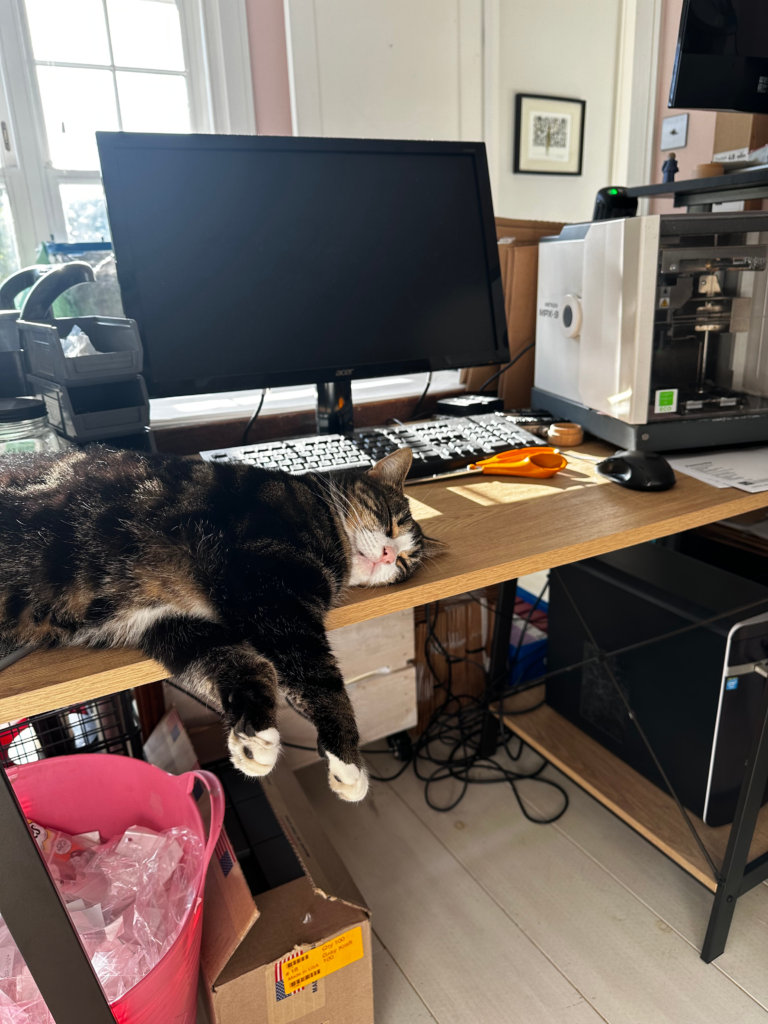
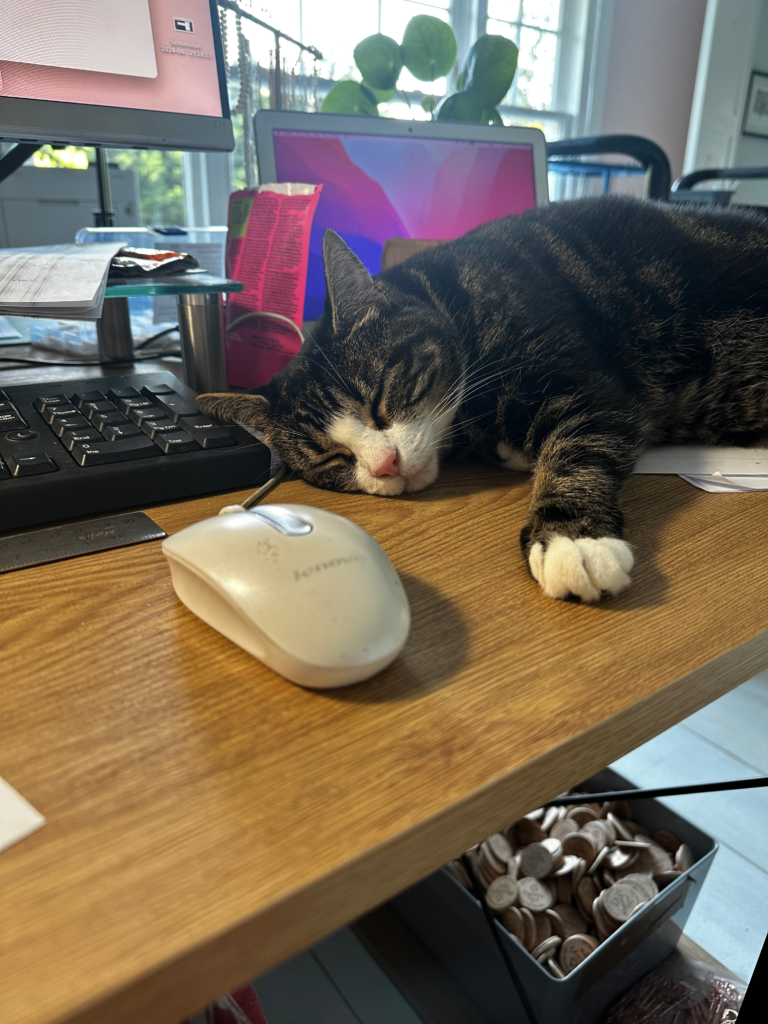
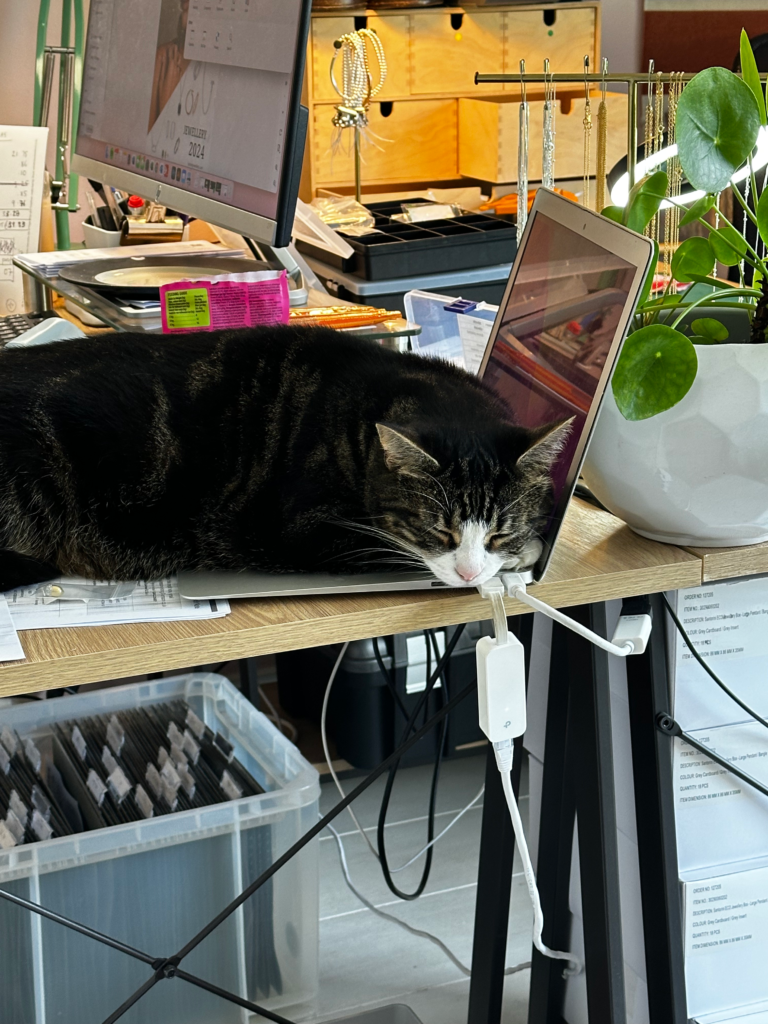
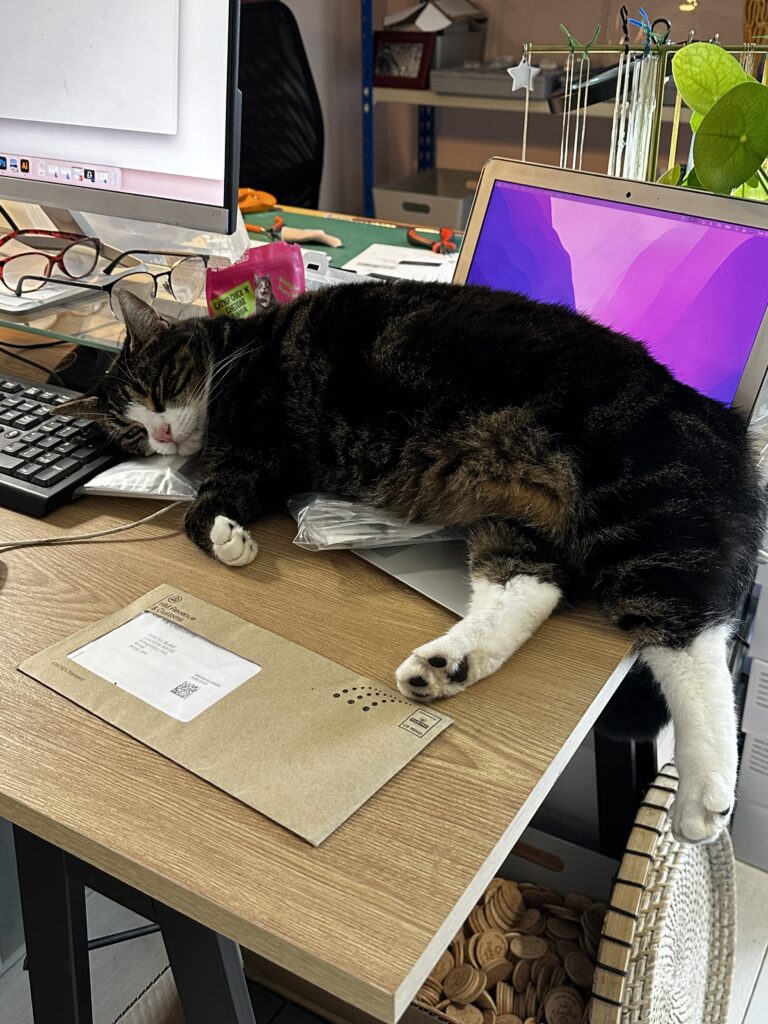
Running a creative business from home could mean sharing your studio with at least one small, furry co-worker. Be prepared…they nap on your packaging, your laptop, photobomb product shoots, and treat every box as a playground. It’s as maddening as it is magical. It’s all part of my creative madness too!
Ready to start selling your jewelry?
You don’t need a big studio, a business plan, or all the answers. You just need to start, I know you can do it, if I can so can you. Start with your passion, your hands, your story. And when you’re ready, I’ll be here with a sprinkle of encouragement to keep you moving toward your version of freedom whatever that looks like 🥰
“Be fearless in the pursuit of what sets your soul on fire.”
– Jennifer Lee
Want to start selling your handmade jewelry? here’s my downloadable checklist to get you started. Jewelry Selling Bumper Checklist >>>
If you’ve enjoyed this post but want a little more…depth into individual areas, you’ll love the rest of the Jewel & i blog. I’m here to share every stage of creating a jewelry business – from finding your niche, pricing with confidence, and photographing like a pro, to branding, creating jewelry that lasts, and best platforms to start selling jewelry on. Each post is packed with real life lessons – the things that actually helped me massively.
So make yourself a coffee, bookmark my blog, and come back soon – I’m just getting started ☺️

RELATED READS
Silly myths about starting a jewelry business
Tiny Tips – Small Bite-Sized Jewellery Tips
Why every jewelry collection needs evergreen pieces
Creating a lifestyle business