How To Make Jewelry That Lasts

simple tips for making jewelry that stands the test of time
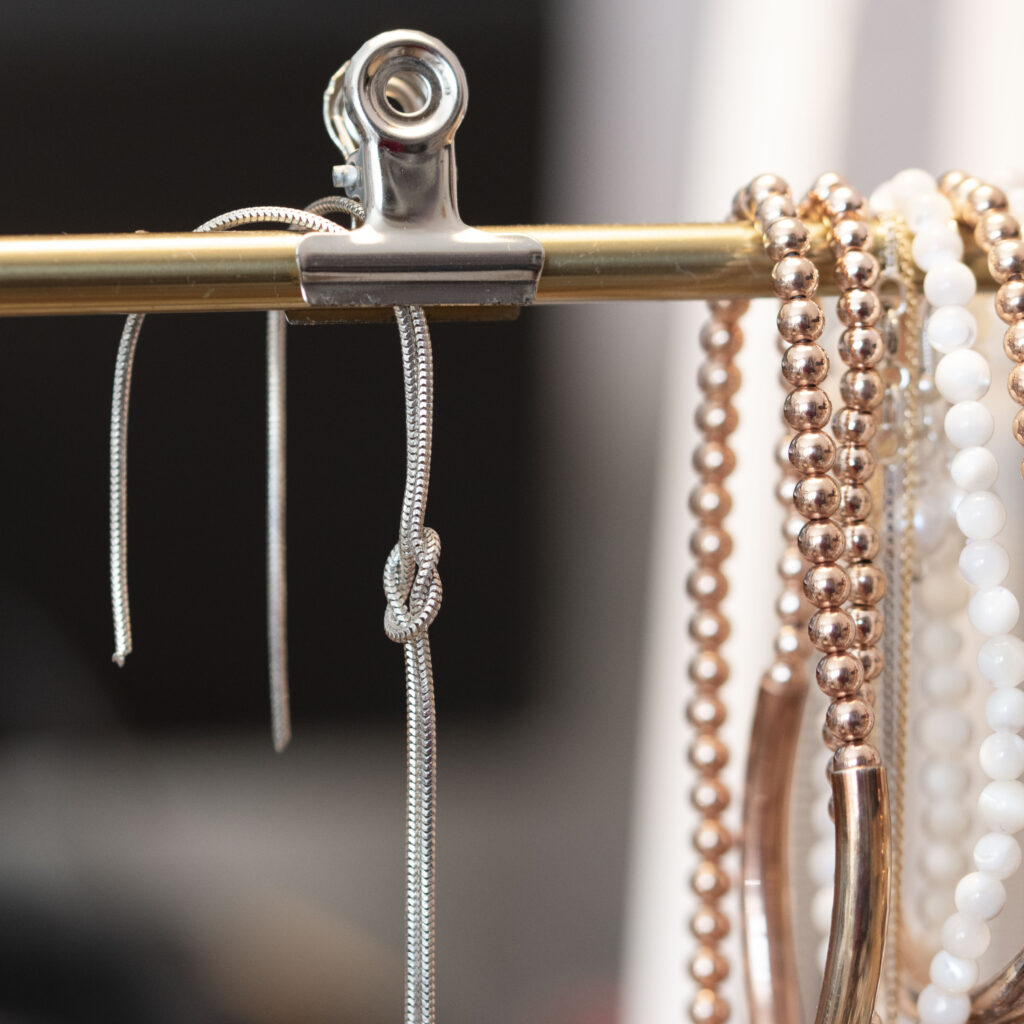
Honestly, this used to be one of my biggest headaches in jewelry making – and for a while, it was absolutely the bane of my life.
You’d pour your heart into a piece, send it off feeling rather pleased with yourself… and then a month later, that message would land: it’s broken. 😩

Things like flimsy jump rings, tarnished metal, or rushed finishing – these are some of the culprits, and they always lead to disappointment.
So, how do I avoid it…
Well, I can only share what I’ve learned from my own (very real) experience of selling jewellery online for nearly 20 years. Over those years I’ve developed a system of checks and habits that have made a huge difference. Hopefully, by sharing them here, they’ll help in some little way – and save you a few sweary moments!
Just to give you some background if you’re new here: my niche is gift milestone jewellery, and let me tell you -customers in this space come with HUGE HUGE expectations. I mean, really HUGE. It’s a tricky niche to be in because when someone chooses me to create a gift for their friend, family or loved one, they’re expecting something that lasts.
With fashion jewellery, there’s a bit more leeway – people often buy it knowing it might not last forever, and if it makes it through a season, it’s a win. But gifts? That’s a whole different story. Gifts are sentimental. They’re kept, cherished, remembered, so the quality has to match the emotion behind the giving.
So, let’s talk about where things tend to go a bit wrong with jewellery.
Over time, I’ve learned to keep these in mind not just when designing a new collection, but also on an order-by-order level before a piece leaves my studio. A tiny check here, a little tweak there – it all helps. By knowing where things usually go wrong, you can design smarter from the start and save yourself a whole load of stress later on. Fewer breakages means fewer headaches, for you and your lovely customers. Win-win, right? So lets start…
1. Always, always buy the best materials you can afford
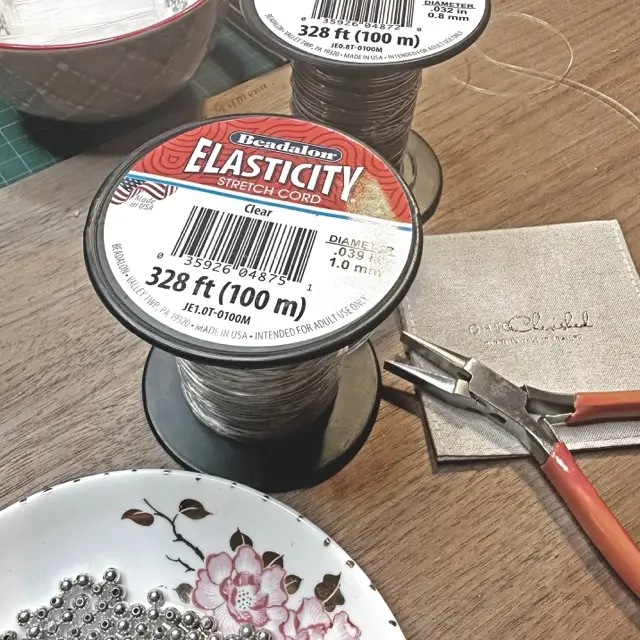
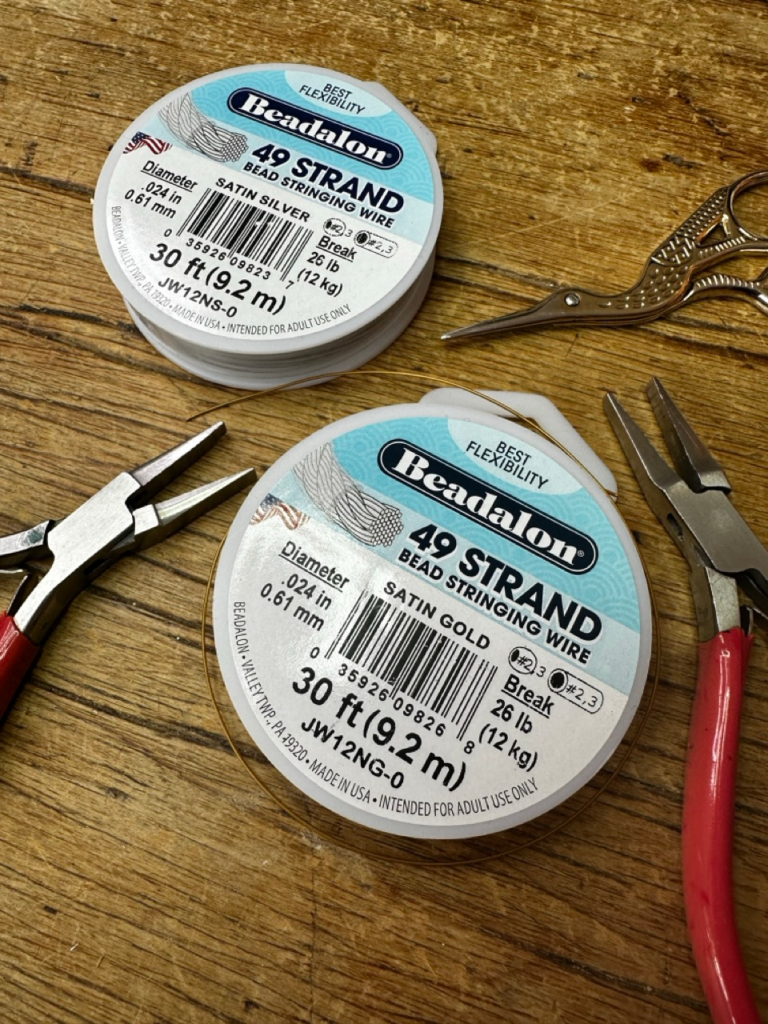
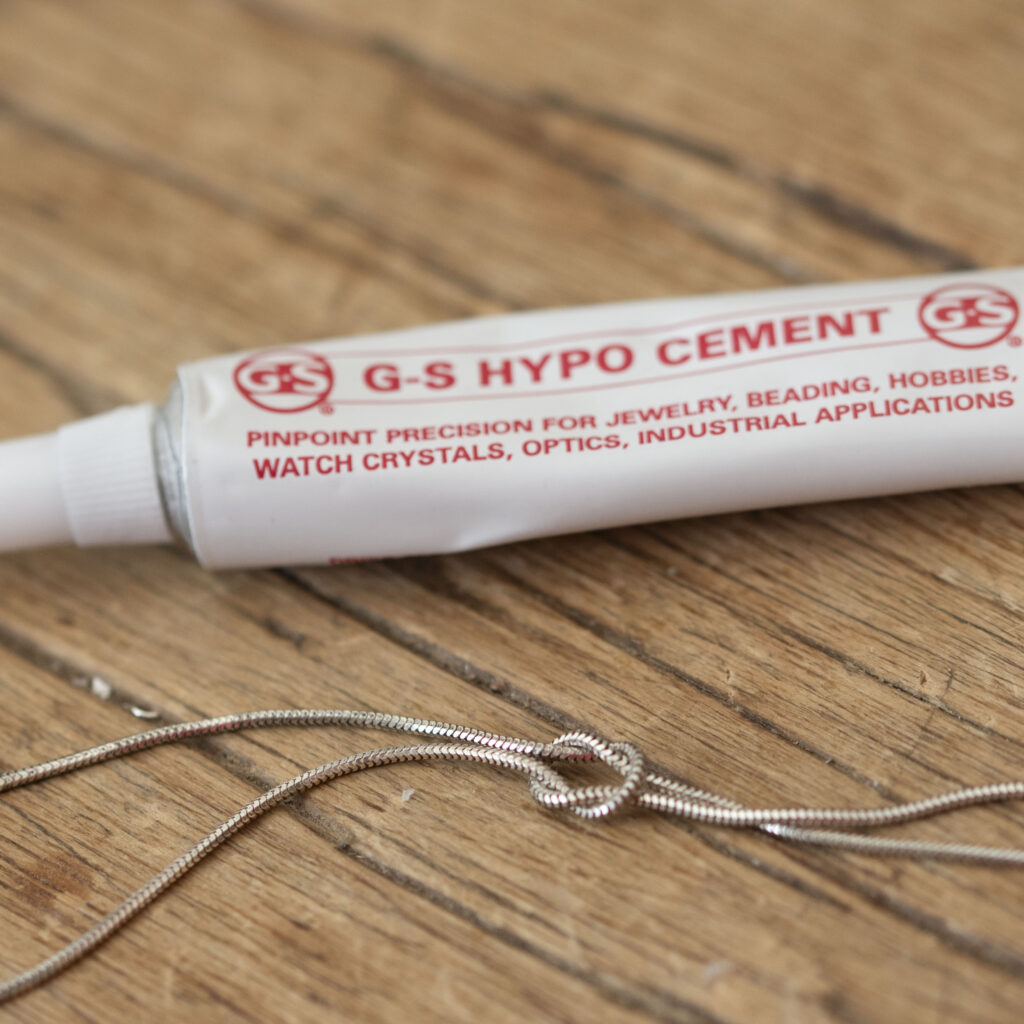
When it comes to making jewellery that actually lasts, the materials you use make all the difference. I’ve learned this the hard way over the years, now I never cut corners – because, cheap components will always show in the final piece.
Take jump rings, for example. Rather than using too thin jump rings (which are one of the biggest culprits for breakages), I use twist lock jump rings or heavier gauge ones – usually 18 gauge or lower. They’re sturdy, solid, and way less likely to pull apart under tension. If I’m not using those, I’ll go for closed, soldered rings.
For beading wire, my go-to is always Beadalon 49 strand wire, it’s strong, flexible and incredibly reliable. I honestly can’t remember the last time I had a bracelet break using this wire. And when it comes to sterling silver beads, I always look for those with a non-tarnish coating, or better yet, I go for Argentium Silver (more on that later – it’s a gem!).
For elastic which can effect your stretch bracelets so much I only ever use Beadalon Elasticity Elastic.
If you’re wondering where I buy all my jewelry items from, I’ve curated a Jewelry Supplier Guide here – save you the late-night scrolling!
2. Never wait for the second complaint on a particular issue
If I have a customer who emails in with a fault, I treat that as a red flag. I know that if it’s happened once, it could very well happen again – and if I don’t fix it straight away, I’m basically letting down future customers.
So I find the solution every time, first time. Just this week I had a bracelet come back looking a bit baggy -the elastic had stretched slightly, leaving a tiny 2mm gap between the beads. I tweaked the design there and then, and now every bracelet of that style goes out with the fix in place. Simple!
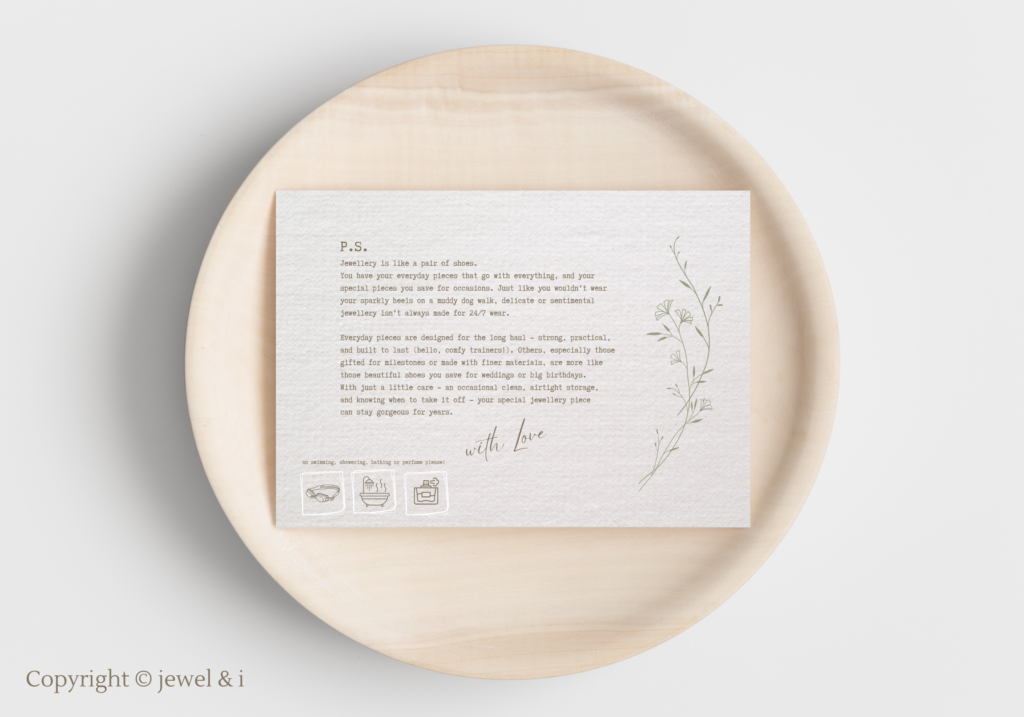
3. Include a Care Card – Educate your customers
One thing I’ve learned over the years – especially with gift jewellery – is that the person receiving the piece doesn’t always know how to look after their jewellery piece. And that’s totally fair! If you’re gifted something shiny and spectacular, you might not know what it’s made from, how delicate it is, or that it even needs a bit of care.
Often, people pop it on and never take it off – showering, sleeping, swimming, gym-ing – the whole lot. And while that’s lovely in theory, everyday wear can lead to quicker tarnishing or breakages through no fault of the maker, the customer simply doesn’t know how to look after it and it’s just not meant to be worn like that. That’s why I created my special little care card for my customers – they needed an education!
This isn’t your typical “don’t get me wet” care card. It features thoughtfully written, hopefully relatable copy that compares jewellery care to something your customers already understand: their favourite pair of special shoes. It’s warm, witty, and subtly educational – and yes, it makes your jewellery feel instantly more valuable 😇. It’s just a gentle message for them to understand when and when not to wear their jewellery piece.
If you love it too, why not download my FREE copy of the canva template here.
Other common culprits of faults or breakage
- Poor soldering: Cold joints or too little solder can create weak spots – especially on clasps and earring backs.
- Skipping the hardening process: Freshly soldered or soft wire can bend easily. Always tumble or work-harden where needed.
- Rough finishes: Burrs or sharp edges can cause chains to snap or stringing wire to fray. Smooth everything down properly.
- Low-quality plating: Go for thick vermeil, filled or PVD coatings with strong base layers.
- Glue that hasn’t dried properly: Always leave it overnight to dry and cure.
4. Polish cloths
If you’re selling fine jewellery, consider including a mini silver polishing cloth with each order.
It’s a gentle reminder for your customer to keep their piece clean and sparkling – and it can help prevent unnecessary returns. The last thing you want is a complaint about tarnishing, only for the customer to assume it’s a fault with your jewellery.
If you’re wondering where I buy all my polish cloths from, I’ve curated a Jewelry Supplier Guide here – save you the late-night scrolling!
5. Test, test, test
Before any new product hits my shop, it gets worn. I give it to a friend or family member, or I wear it myself for a good while. It’s the only way I know if something’s going to hold up to daily life.
6. Read your reviews
Listen to your customers – they’re telling you what’s working and what’s not. Reviews aren’t just for future buyers; they’re a goldmine of feedback for you. If you notice a recurring complaint, even if it feels minor, take it seriously. It’s often the little things that add up – and even if a customer doesn’t request a return, they might vent their frustration in a review.
For example, breakages don’t always come back through your returns system – some customers will simply mention it in a review and move on, disappointed. But if you spot a pattern, it’s your chance to improve: whether it’s packaging, product durability, or how you communicate care instructions. Every review – good or bad – is a learning opportunity. The more you tune in, the stronger your brand becomes.
7. Always continue to refine
Jewellery making is never truly “finished.” There’s always something to learn, adjust, improve. A customer points out a fiddly clasp? I change it. A supplier changes quality? I find another. These little refinements, made over time, add up to stronger jewellery – and a stronger business.
If you take one thing away from this post, let it be this: refining is part of the process. Keep tweaking, keep listening to customers, and you’ll build a collection that customers love.
To Summarise:
- Upgrade your materials
- Action the first product complaint
- Educate customers
- Don’t skip soldering checks
- Harden where needed
- Smooth your finishes
- Use proper plating techniques
- Provide cleaning cloth
- Provide cleaning tips
- Road test everything
- Read your reviews
- Always refine
Durability isn’t just about the materials you use – it’s about the care, thought, and intention behind every stage of the process. From choosing the right metals and finishes, to polishing your pieces with love and giving your customers the knowledge to care for them – it all plays a part in creating jewellery that lasts.
It’s not always perfect the first time, but by paying attention to those common breakage points, applying simple quality checks, educating customers on fine metals and materials and staying open to refining as you go, you’ll build not just better jewellery – but a better brand, too 🤗 Yay!
Love to here your comments below!

Would you like to discover a few great places where you can start to dip your toe in and sell your jewelry?
I go through some interesting platforms for handmade jewelry here in this post.
RELATED READS
How to start a jewellery business
Tiny Tips – Small Bite-Sized Jewellery Tips
Tarnish Free. Wait what!
Jewelry elastic troubleshooting