Picking The Perfect Clasp

Consider the piece and the person!
I love designing jewelry.
And after years of making bracelets and necklaces, I’ve learnt that choosing a clasp isn’t quite as simple as rummaging through my findings and grabbing the first spring clasp I see.
My clasp is actually part of my design. And there’s more to choosing the right one than you might think.
Being the refinement nerd that I am, I take into account…
How big the bead are.
How heavy is the piece.
Does the clasp look in proportion to the bracelet or necklace.
Is the clasp strong enough.
Who is going to be wearing it. A baby, child, adult, elder.
Is it for everyday wear.
Is it meant for easy access.
A tiny spring clasp may look lovely on a delicate bracelet, but if the person wearing it struggles to fasten the thing, it’s not a great choice.
I tend to choose clasps based on the piece or person rather than having one clasp I use for everything. It’s all part of the refinement of the piece. Sometimes I want it to almost disappear. Other times, the clasp can become part of the design itself and look pretty. You can’t always consider the wearer, but if you can, lean into it.
So rather than simply showing you a long list of clasp types (there are plenty of those already out their online), I’m going to look at the clasps I actually use, what I use them for, and the little things I consider when choosing them.
Here’s a few of my favourites…
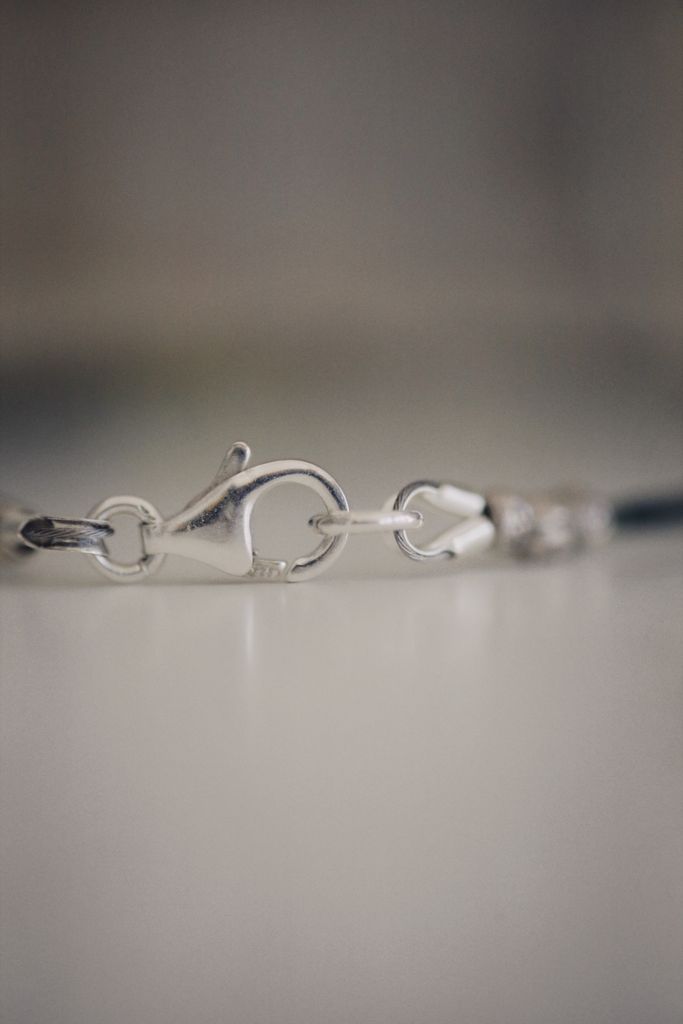
Lobster Clasps
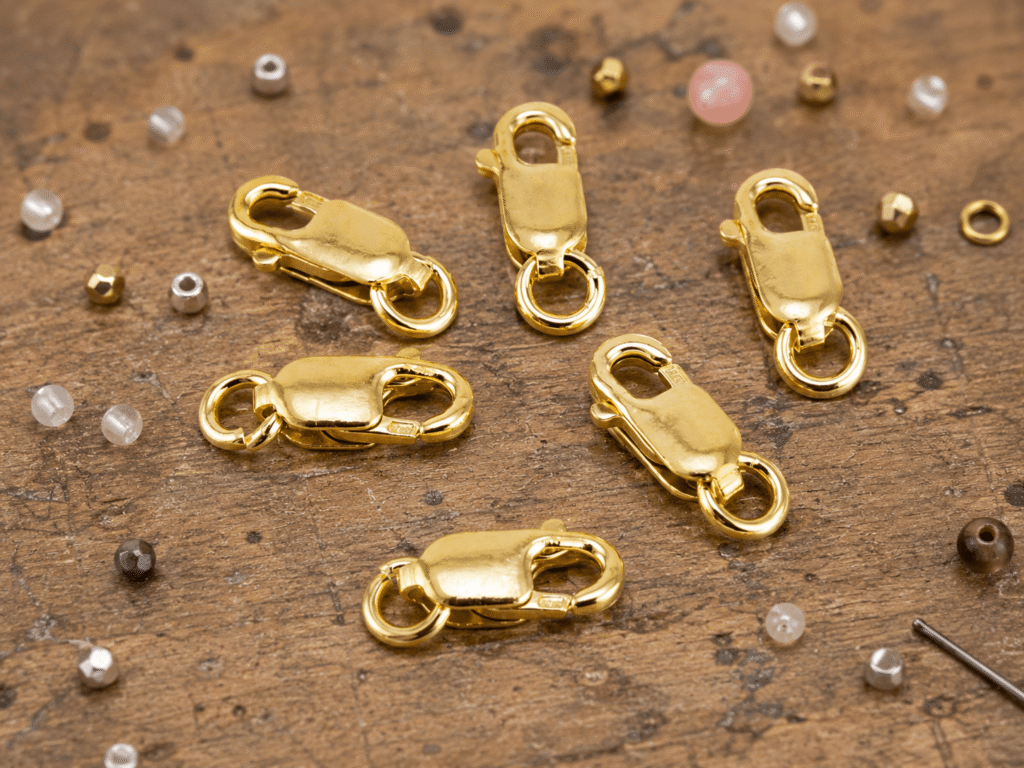
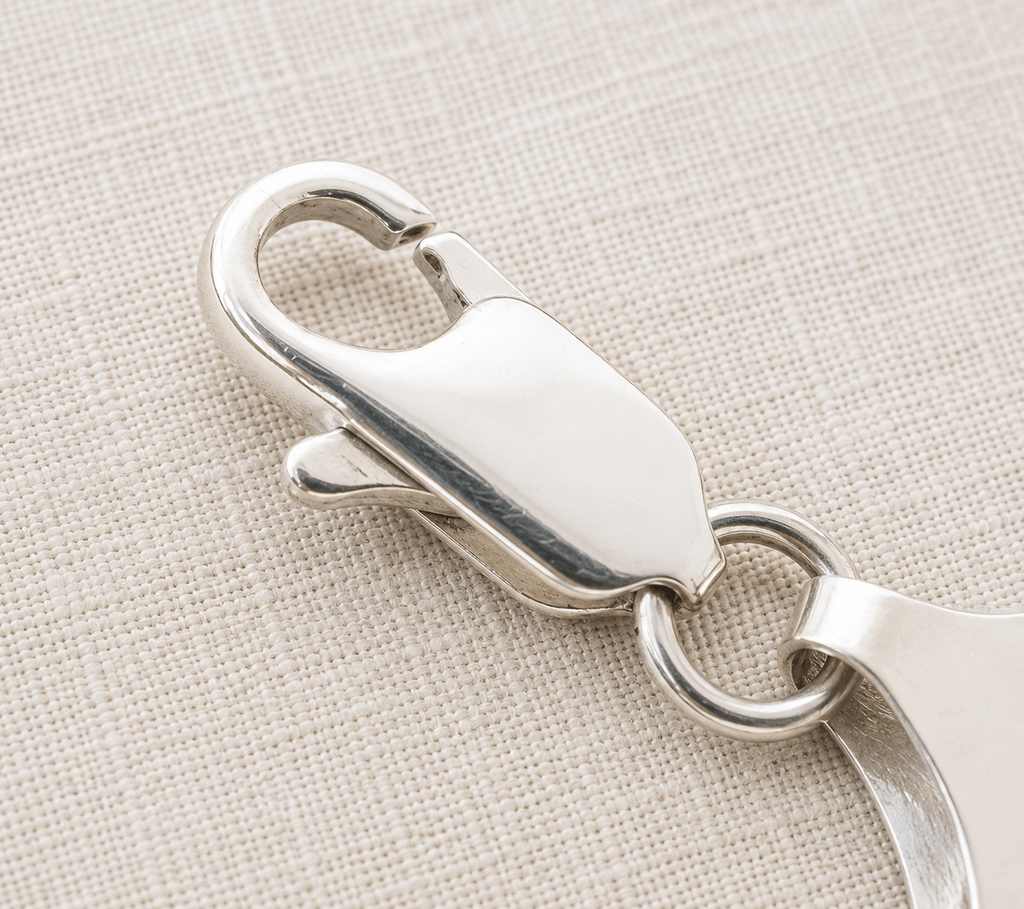
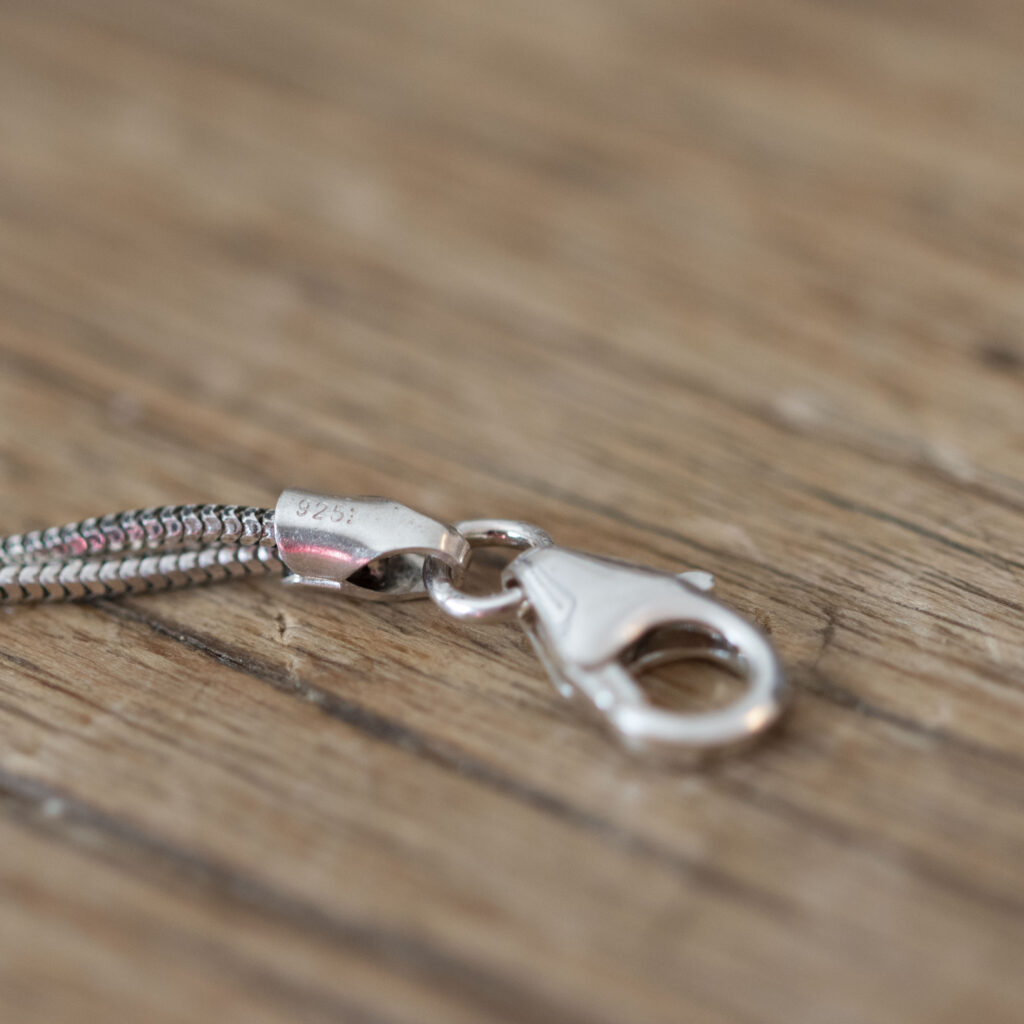
I use Lobster Clasps on quite a few of my designs. They’re neat, pretty secure, easy to source in different sizes and finishes, and work well when I just want the clasp to blend into the piece rather than become part of the design.
I’ve found, however, that quality really matters with lobster clasps. Unlike some simpler clasp styles, they have an internal spring mechanism, and that can eventually become weak and break. I went through a period where I had loads of my clasps fail because the inner mechanism broke or stopped springing back properly (happens a lot with cheap lobster clasps). So it’s not great when you’ve made a piece of jewelry and the tiny clasp is responsible for a customer return 😬
Since then, I’ve become much fussier about where I buy them from. Spending a little more on a well-made lobster clasp is worth it, particularly if you’re selling your jewelry.
What I use: I tend to choose good-quality sterling silver or gold-filled lobster clasps. I also make sure the connecting jump ring or wire guardian isn’t too large or bulky around the clasp, as it can restrict the mechanism and stop it opening fully, that can become annoying for the wearer.
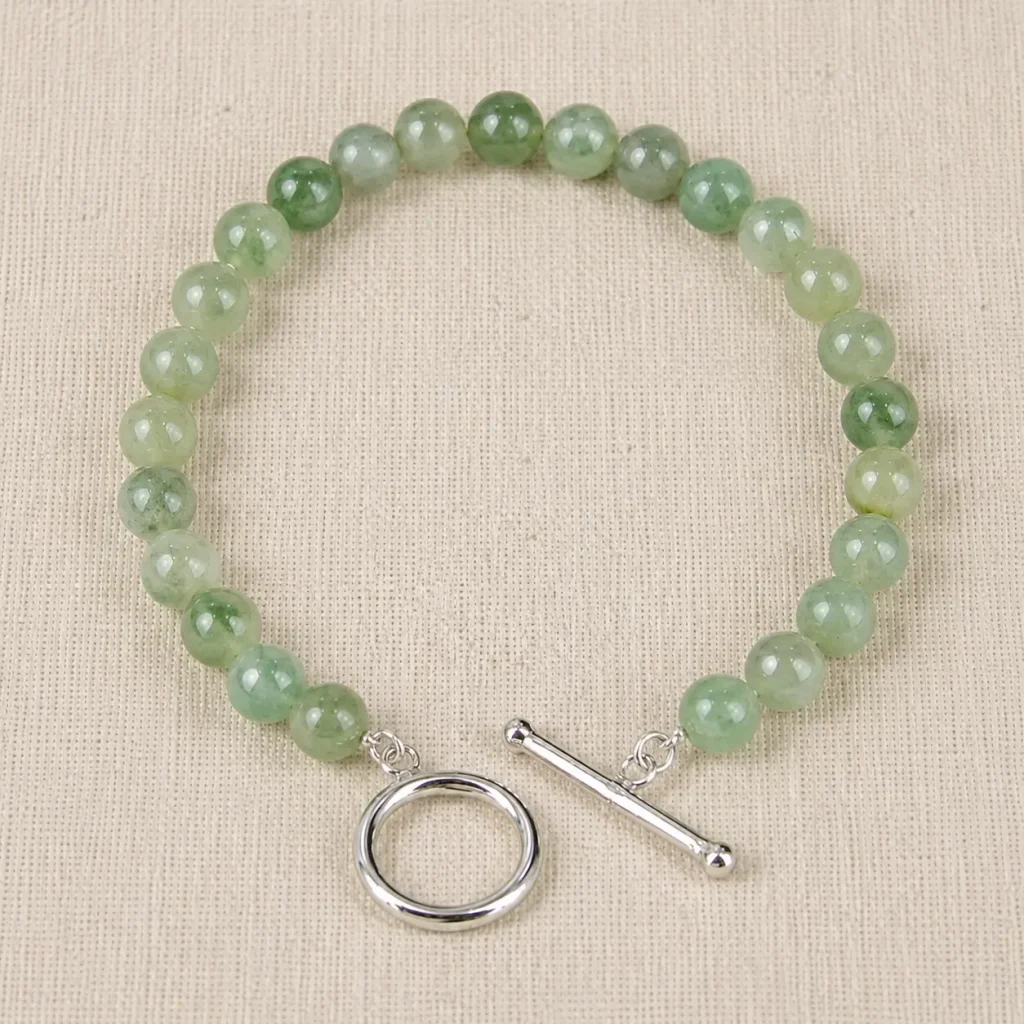
Toggle Clasps
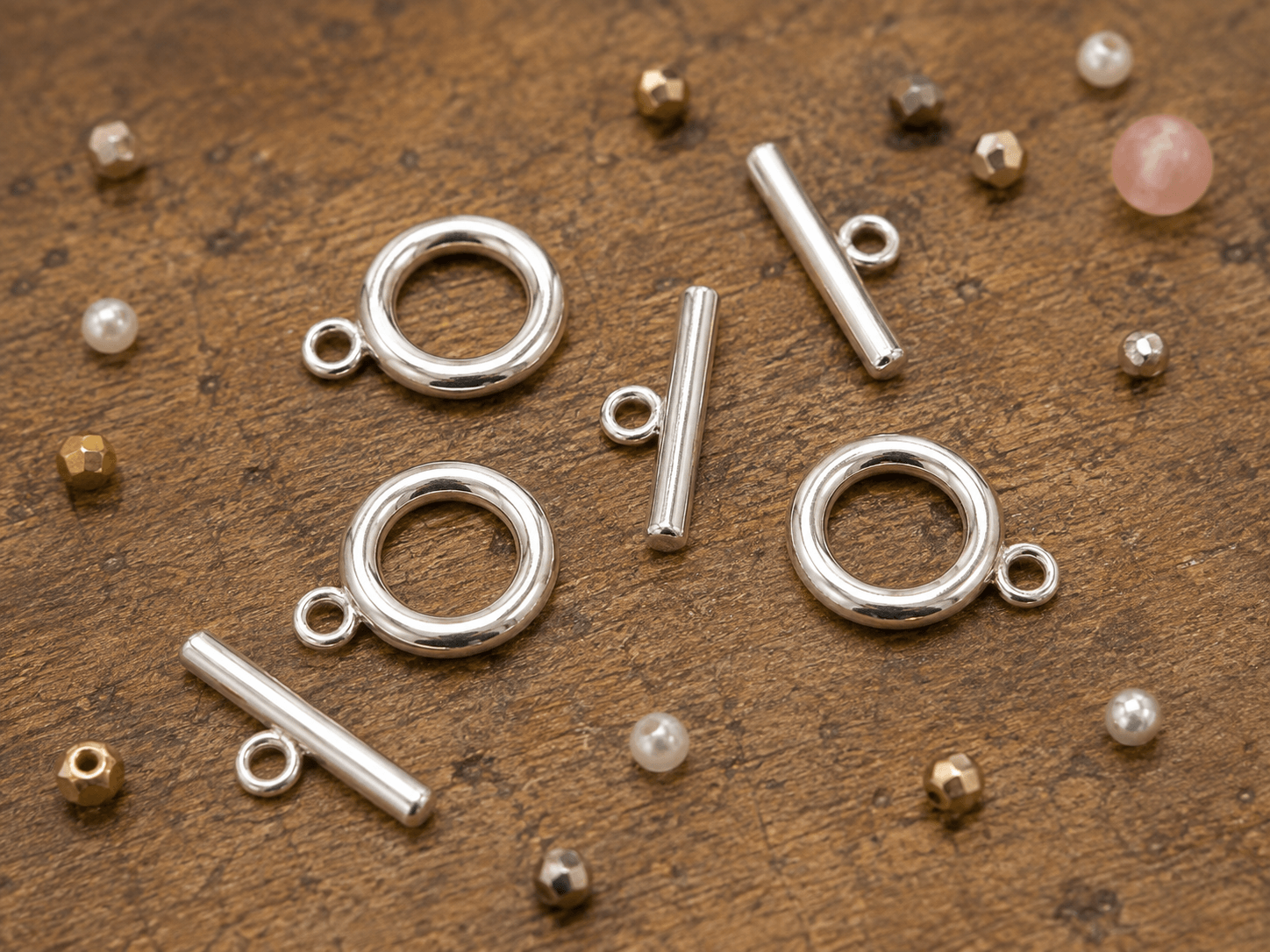
My favourite clasp. Never had one break 😅 …yet!
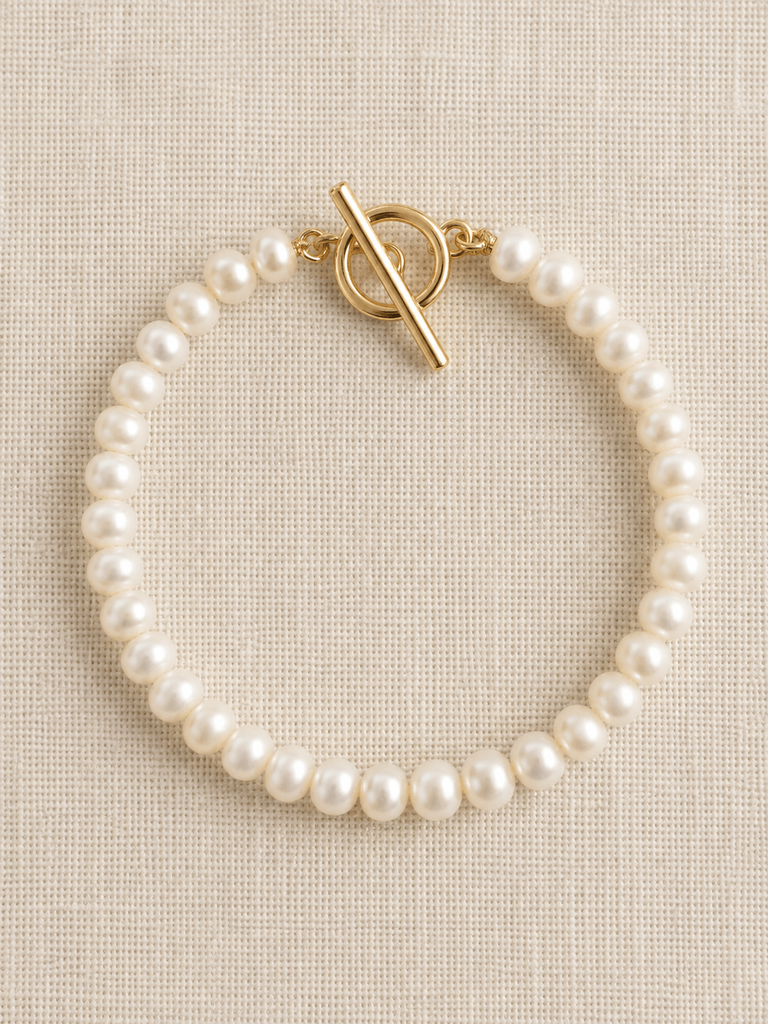
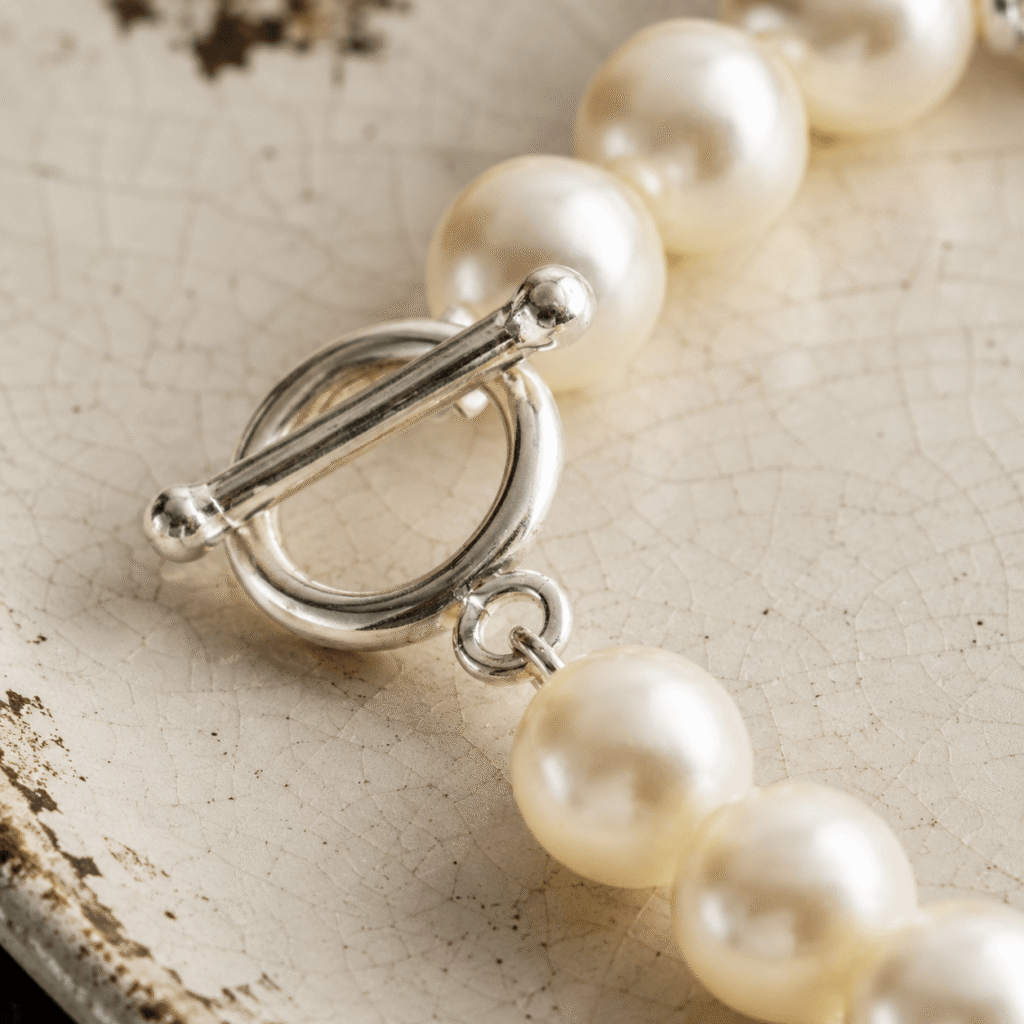
Toggle Clasps are incredibly strong and have a lovely solid feel, which makes them particularly great for heirloom pieces and jewelry designed to last or everyday wear pieces. I also love them for baby and children’s jewelry because there’s no fiddly mechanisms or sharp little levers or edges sticking out.
Possibly their greatest achievement? You can actually put one on all by yourself!!
No wrestling with a spring clasp while sloooooowly losing the will to live.
They can also become part of the design rather than simply being something functional and hidden at the back. A beautiful sterling silver or gold-filled toggle can make a piece feel much more considered and expensive.
The key is getting the proportions right. Too large and the clasp can completely dominate; too small and it can look a little lost and may be harder to fasten. I generally choose a toggle that feels substantial enough to suit the weight and scale of the piece without it becoming the main event so to speak ☺️
I’ve made an adorable baby bracelet this week using a teeny tiny toggle clasp – I’ll let you see it when it’s photographed!
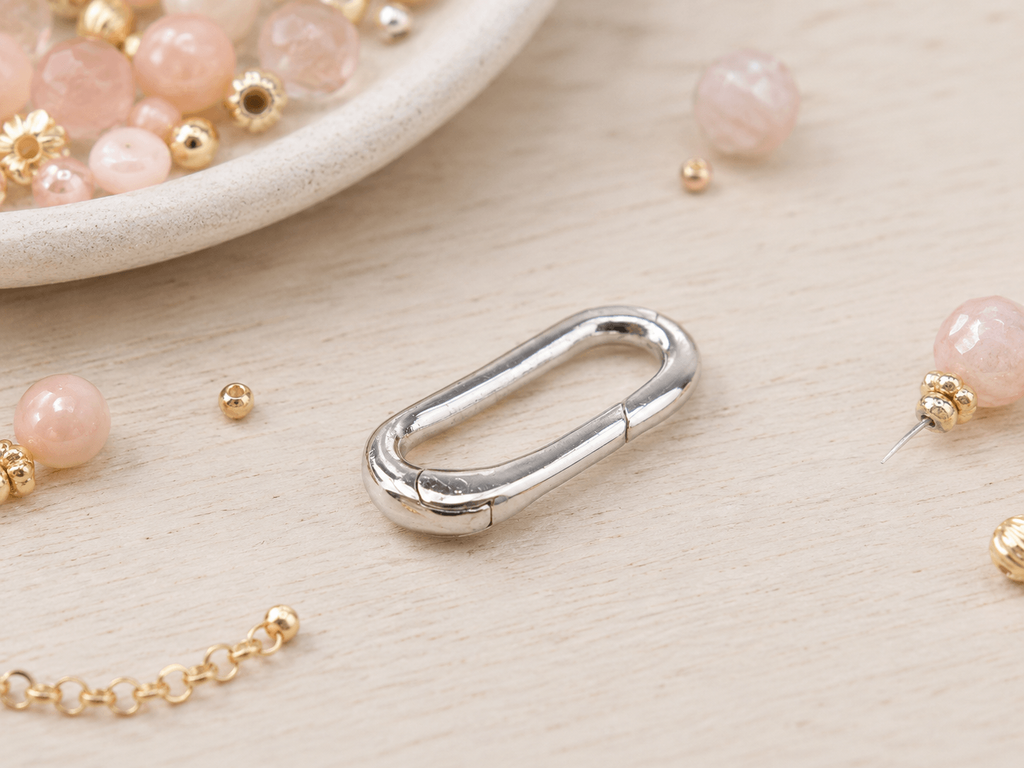
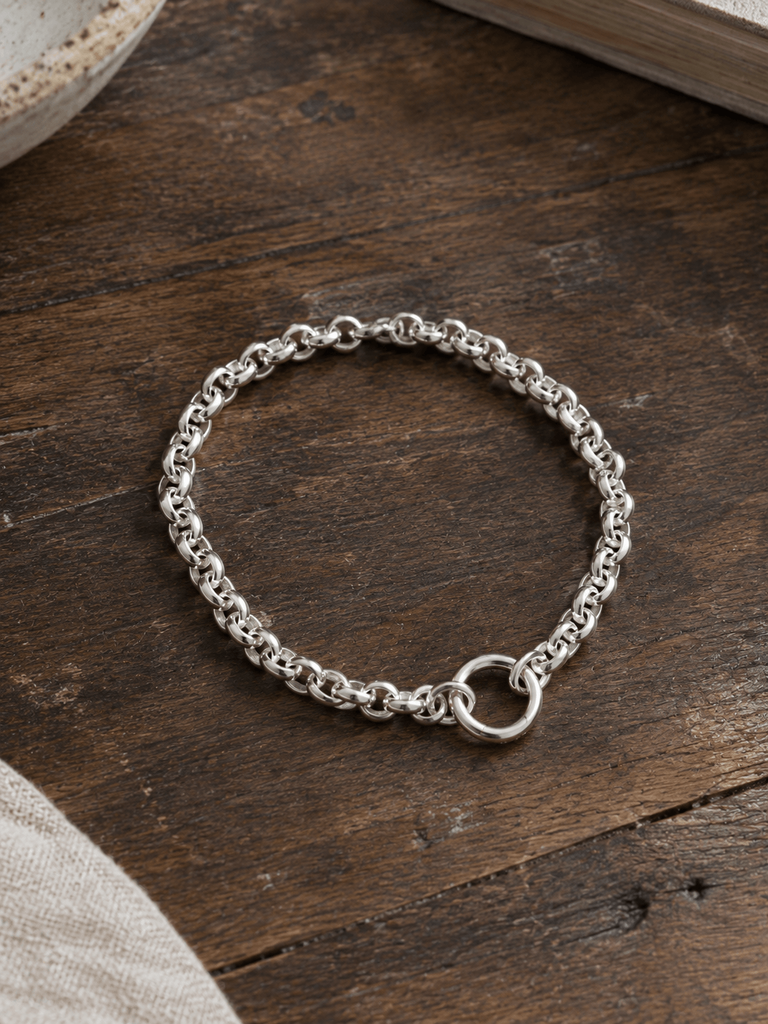
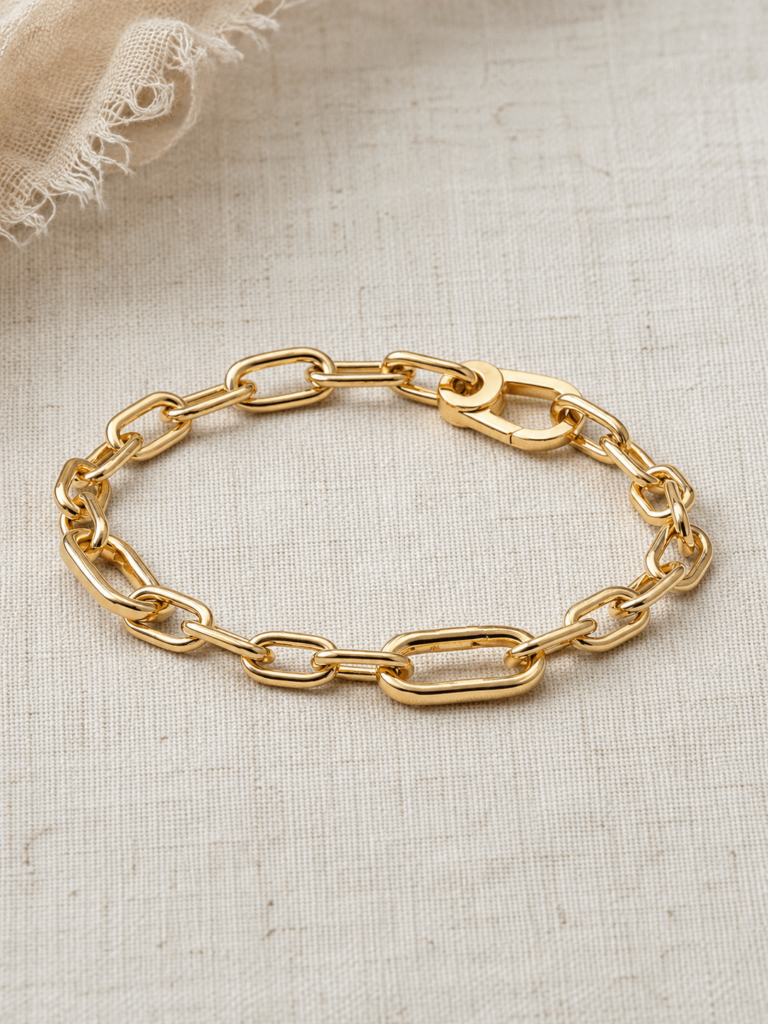
Oval Spring clasp
Oval Clasps are such handy little things. Not only can they be used as a clasp, but I use them as connectors for attaching charms, pendants and other components to my jewelry.
Don’t you just love findings that can double up as something else!
They have quite a modern look too, particularly on chunkier chains and contemporary beaded pieces where a lobster clasp can sometimes feel a little too… well, delicate and traditional.
But their biggest advantage has to be how easy they are to use. Simply push them open, attach them and you’re done…how easy is that!
It makes them great for jewelry that’s worn everyday, or for anyone who struggles with fiddly clasps as they are so easy to open and close…alone!
Just make sure you choose a good-quality one with a secure closing mechanism (I’ve had a few disasters with cheapy ones!!) especially if you’re using it to hold something really precious.
And then we have these two below. Both lovely clasps and ones I’m more than happy to use, they just don’t make it onto my jewelry quite as often. I tend to pick them when a design particularly suits them, or maybe when a customer specifically asks for one.
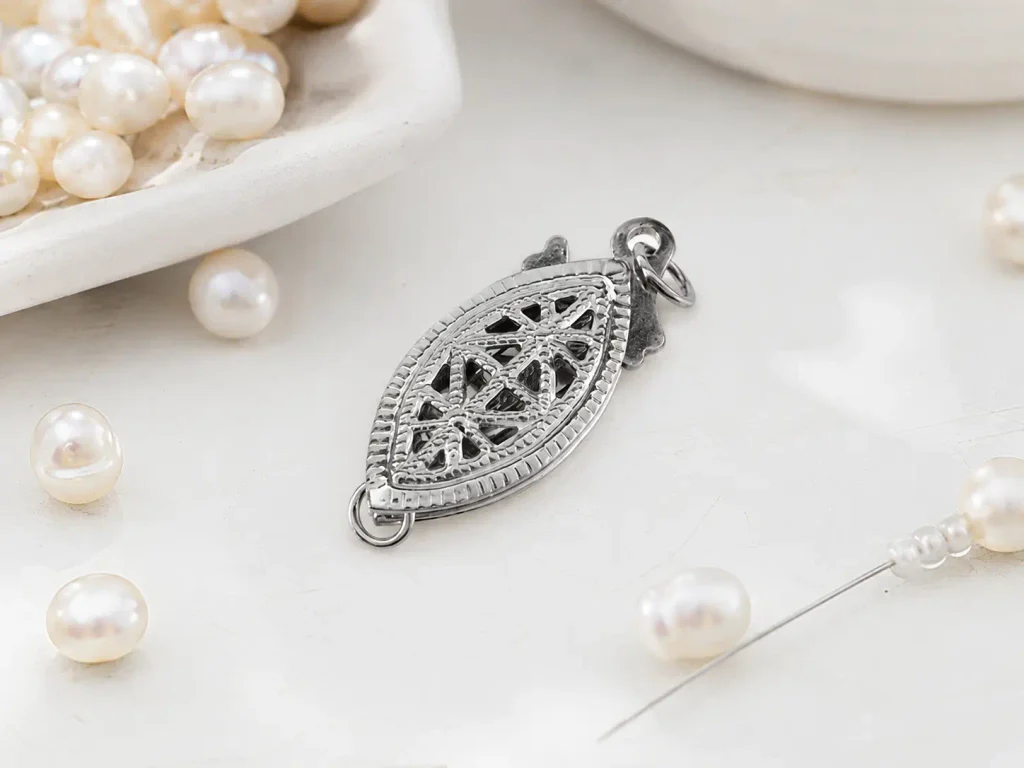
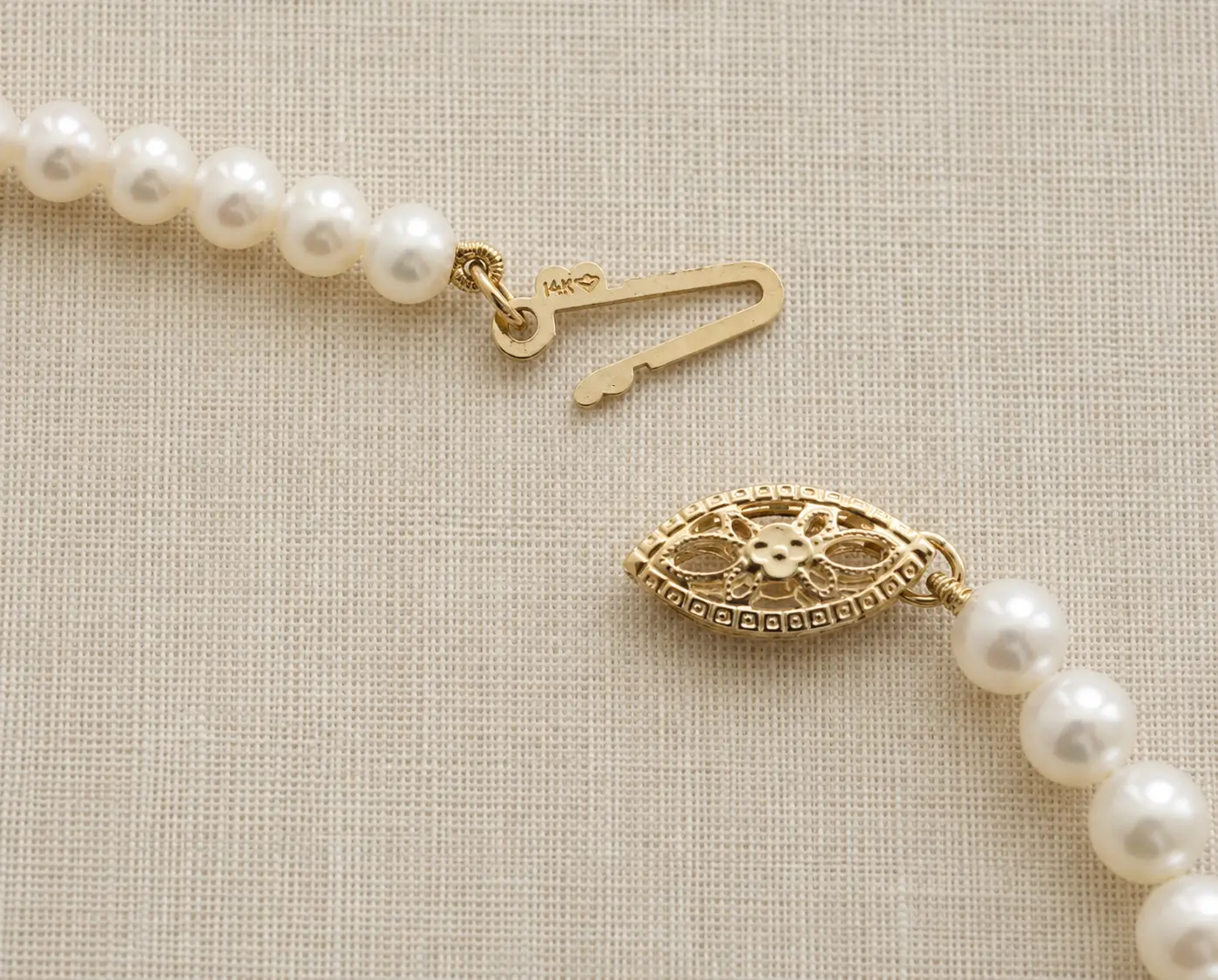
Filigree Fish Hook Clasp
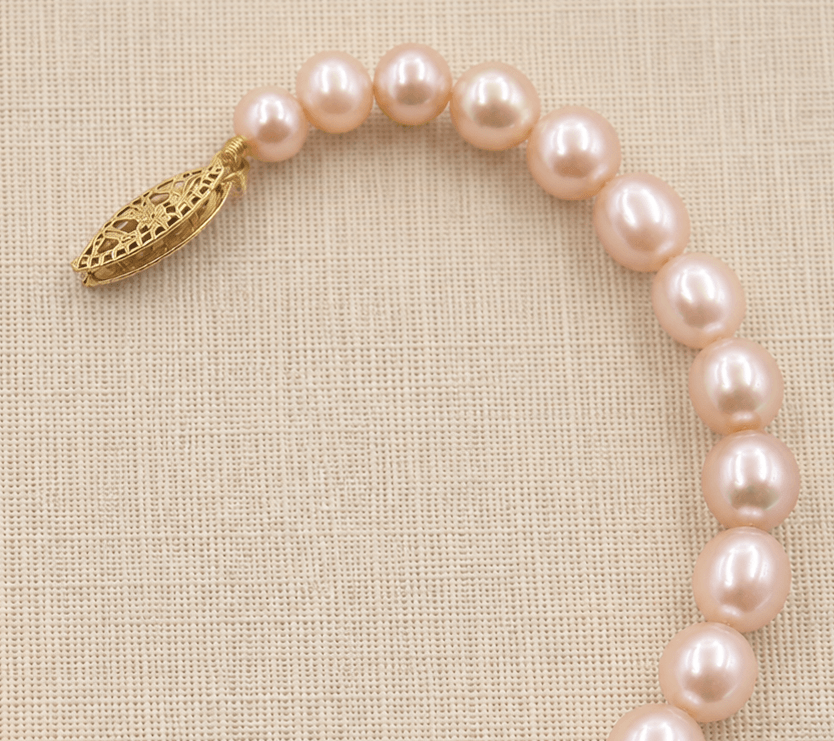
These are such pretty little things, quite delicate and I only ever see them on pearls really. I have been asked to use these a number of times for special pieces. When using on pearls they really give a very traditional look and feel to the piece.
Fish-Hook Clasps date all the way back to at least the early 1900s and commonly found on antique and vintage pearl necklaces. So if you are going for that vintage look, they are perfect. Their decorative filigree cases made the clasp part of the design rather than simply something functional to hide at the back.
I do think they look so elegant on pearls. But I do love vintage jewelry!
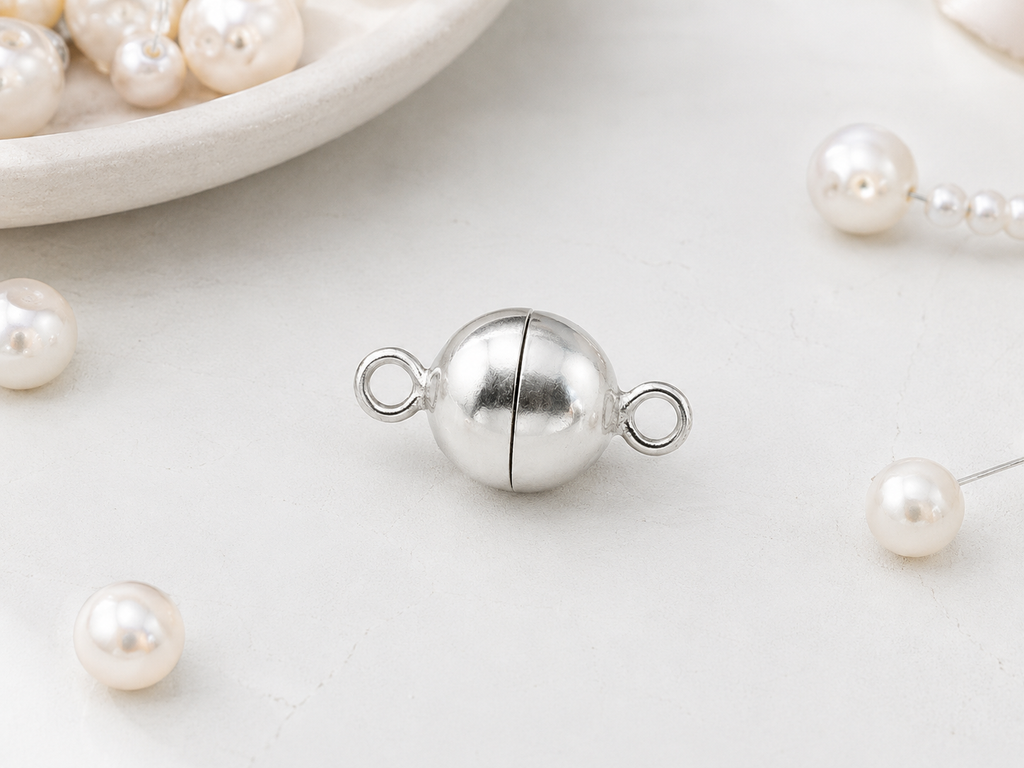
Magnetic Clasp
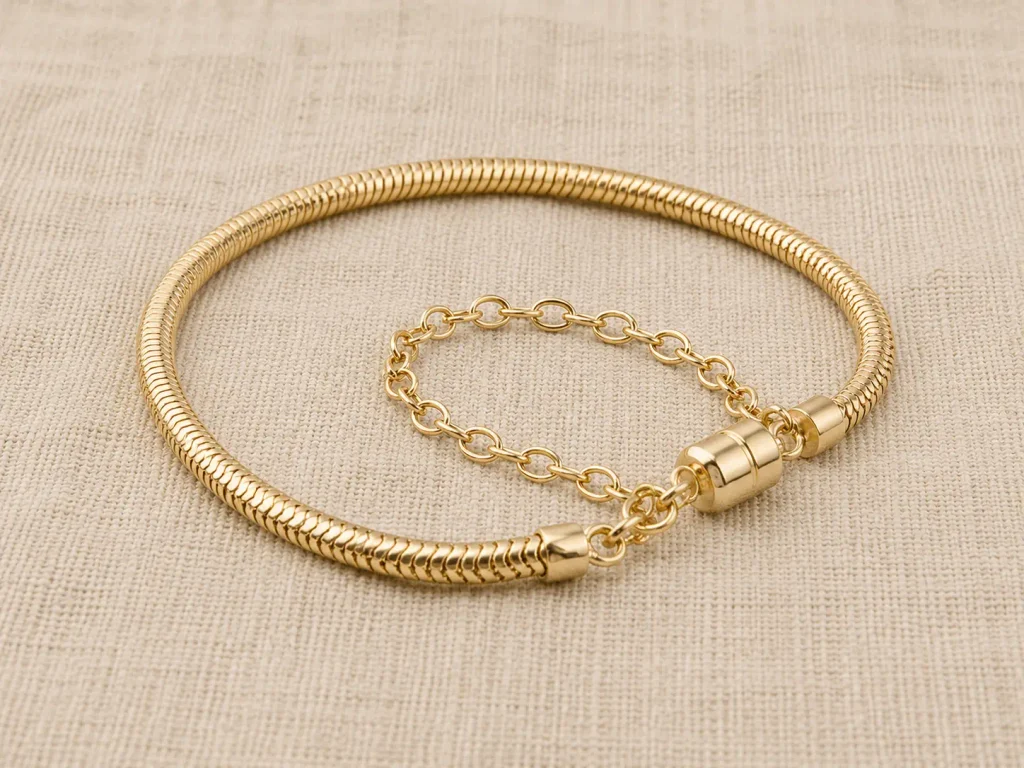
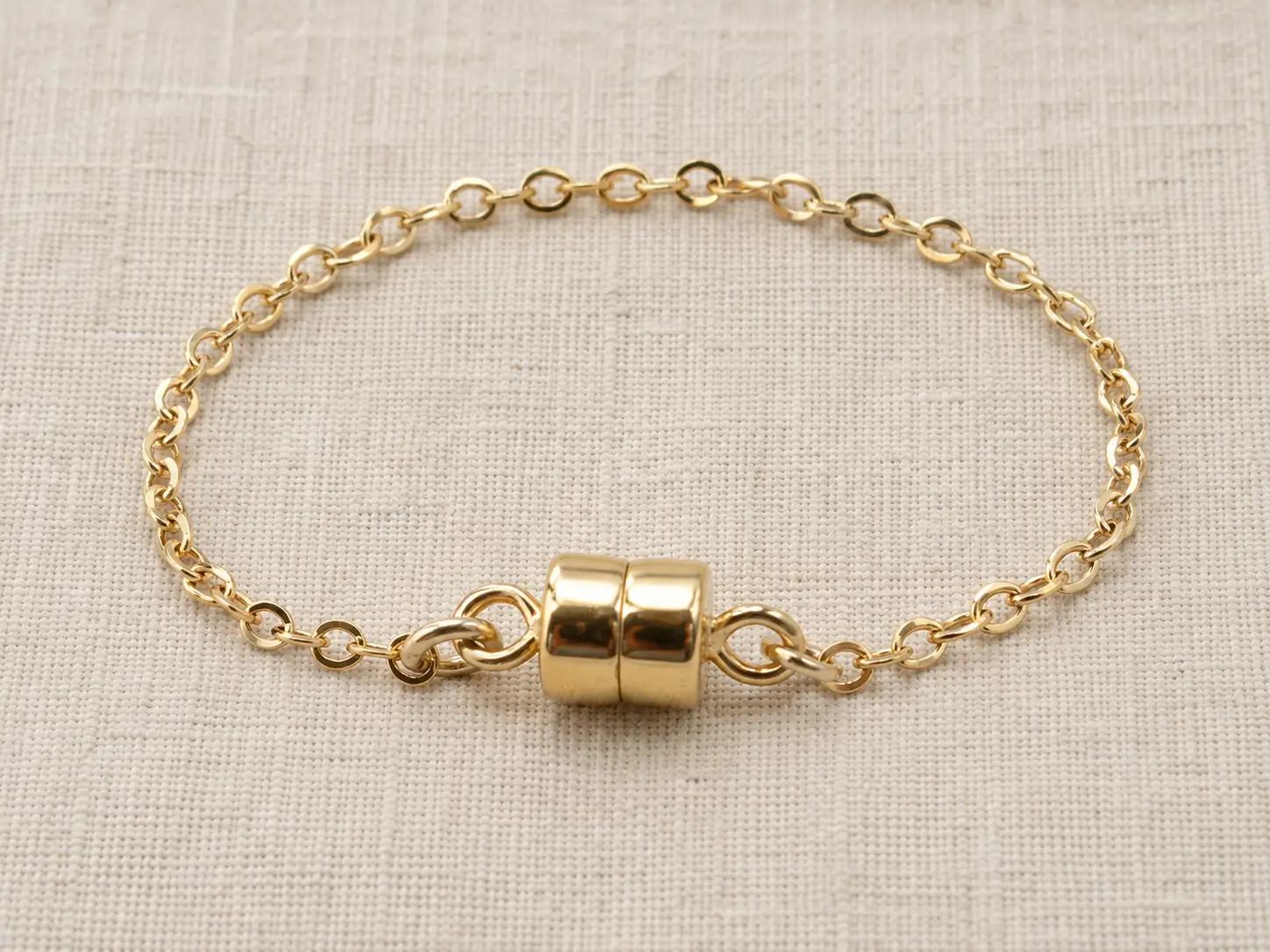
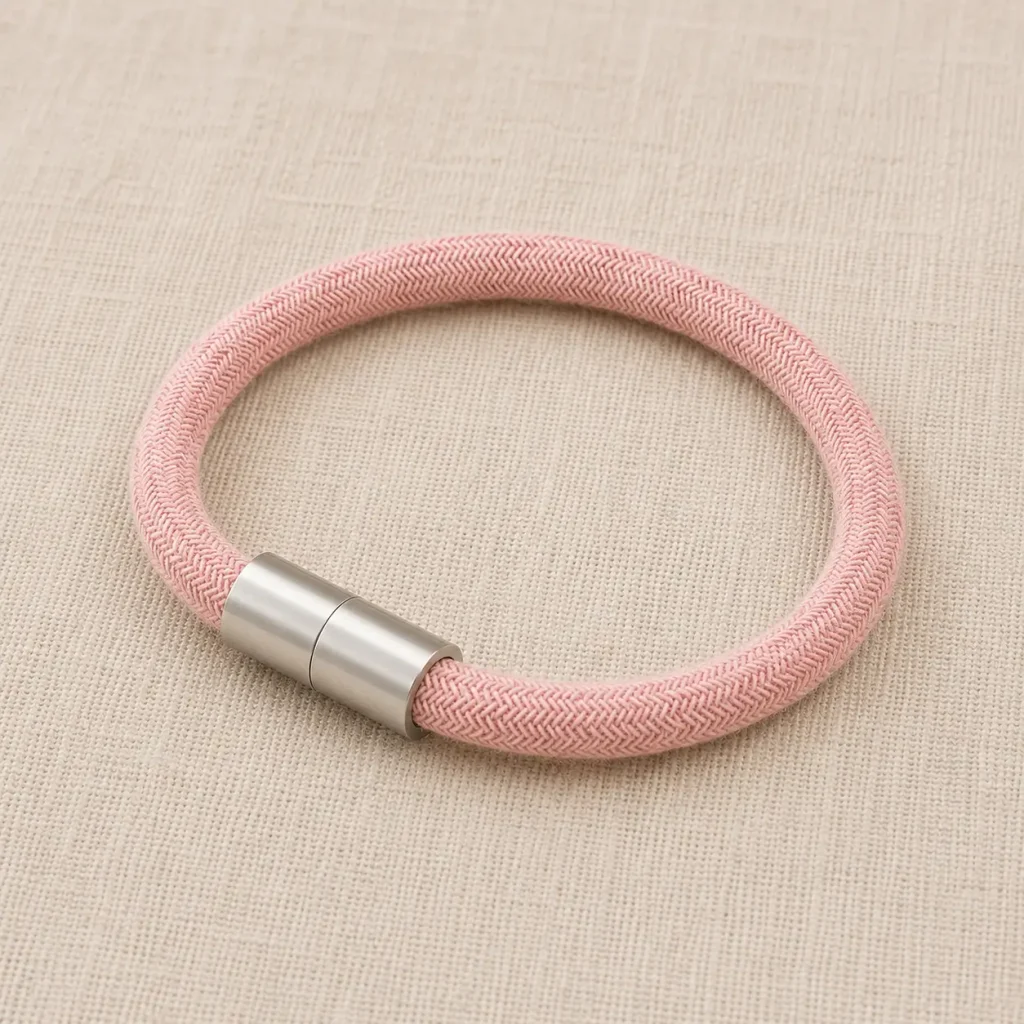
I do use Magnetic Clasps, although probably less often than others. They’re brilliant for everyday jewelry because they make bracelets so much easier to put on and take off by yourself. They also have a lovely modern feel and come in all sorts of shapes, sizes and finishes, so they can again become part of the design rather than something that’s just functional.
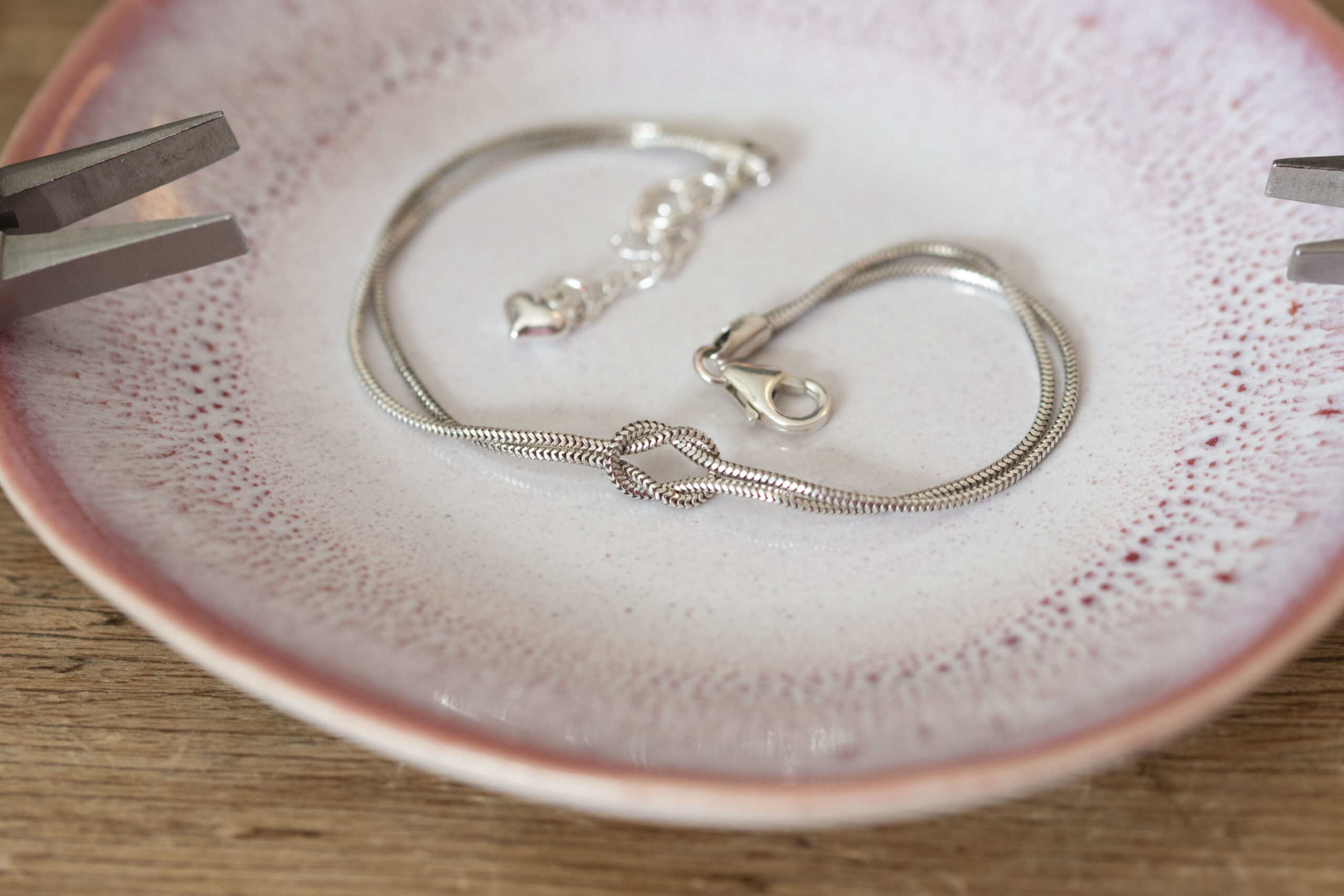
My slight reservation is security. A magnetic clasp is designed to pull apart, after all, so I’m always conscious of choosing a really good-quality clasp with a strong magnet, particularly for a bracelet where it can catch on clothing or bags. For pieces I’d be devastated to lose, I’d be adding a small safety chain like below as extra safety measure against it getting lost for good.
Do magnets get weaker over time?
Hey, apparently not! 🤨
Magnets can retain their strength for years…Who knew!
What could affect them though is high heat, strong opposing magnetic fields, corrosion or physical damage. With a well-made magnetic jewelry clasp, I’d be more concerned about the quality and strength of the magnet in the first place, and the construction of the clasp, than it ever becoming weaker with age.
A couple of things to consider with magnetic clasps:
The strength of the magnet needs to suit the weight of your jewelry. A chunky gemstone bracelet using a standard magnetic clasp may simply pull apart under too much weight or tension. It’s another reason to look for a good-quality, STRONG version.
I’d also be cautious if you’re making jewelry to sell, be aware that strong magnets can interfere with implanted medical devices such as pacemakers and ICDs, so appropriate warnings are important 😬
Then we have this little one…
Spring Clasp
If you are wondering where the trusty old Spring Clasp has gone.
Well, just a heads up…I don’t tend to use spring clasps in my own handmade jewelry.
There’s nothing wrong with them at all. They’re small, neat, secure when well made and available in everything from plated metals to sterling silver, gold filled and solid gold. Awesome!
They’re also incredibly common, which is partly why I tend to avoid them 😬
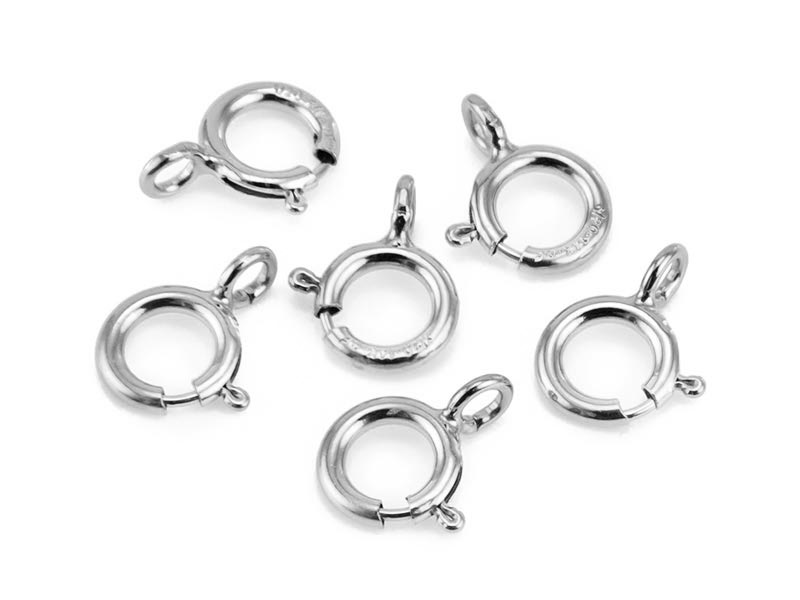
You’ll see spring clasps on a lot of mass-produced and lower-priced jewelry, so for me they can sometimes give a handmade piece a slightly more standard, off-the-shelf feel. If I’ve spent time choosing beautiful beads and findings, I generally want the clasp to be considered part of the design rather than just simply the bit that fastens it all together.
It’s just a personal preference. A good-quality spring clasp can be an excellent choice, particularly on a fine, delicate chain where you don’t want the clasp competing with the design and most of my plain chains I buy in have spring clasps.
So, which clasp should you choose?
With so many clasps to choose from, there really isn’t one best clasp I use (no clasp favouritism here!). It comes down to the piece I’m making and, who’ll be wearing it.
Think about how you want the finished jewelry to feel. Modern or traditional? Delicate or chunky? Everyday or something a little more special? Does it need to be easy to fasten one-handed? Is security more important than convenience? Is it an expensive piece? And does the clasp actually look in proportion with the rest of your design?
There are dozens more clasps than I’ve covered here, and frankly, we could be here til Christmas. But these are the ones I come back to most often.
My biggest tip? Don’t leave the clasp until last. Spend a little time finding one that works with your design rather than something that just functions. It’s a tiny detail, but very often those tiny details are what take a piece go from looking homemade to beautifully handmade.
RELATED READS
Crimp Stoppers vs Crimp Tubes & Covers
Measuring Your Bracelets The Right Way
What Is ‘Drape’ in Jewelry Making?
5 Common Beaded Bracelet Problems