Metal types for jewelry making

Not all jewelry metals are created equally
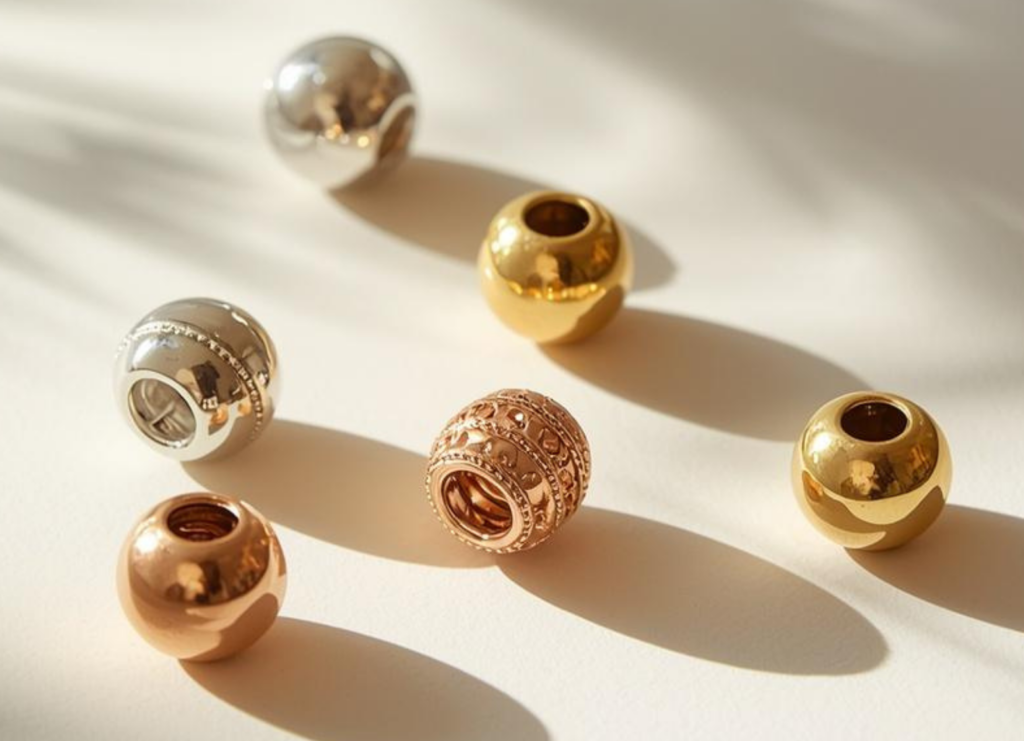
The materials you choose don’t just shape your jewelry, they shape your pricing, your customers’ expectations, and ultimately the kind of business you build if that’s your thing…
Gold/Silver Plated
Gold and silver plated findings are usually made from a base metal (often brass or copper) that’s been coated with a very thin layer of gold or silver.
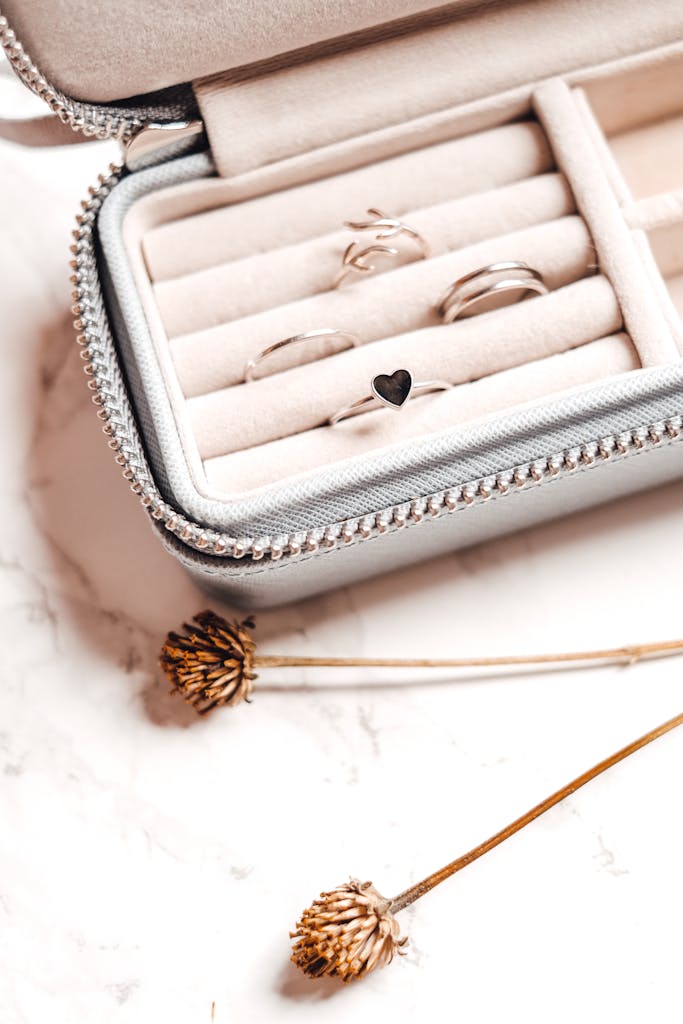
For beaders, plated metals are often a starting point because they’re inexpensive and widely available. You’ll find plated versions of almost every component, clasps, spacer beads, bead caps, chain and headpins. Plated metals are perfectly fine for learning and experimenting, but many beaders eventually move toward higher quality metals once they start selling their work.
My take:
Personally, I try to avoid gold or silver plated over brass or copper. In my experience, the plating wears off far too quickly, especially on pieces that are worn regularly. If you’re selling your jewelry, this can become a real pain point. Customers expect their pieces to last, and plated items often have a much shorter lifespan than people realise. Once that top layer starts to fade, you’re left with the base metal showing through, and it rarely looks as good.
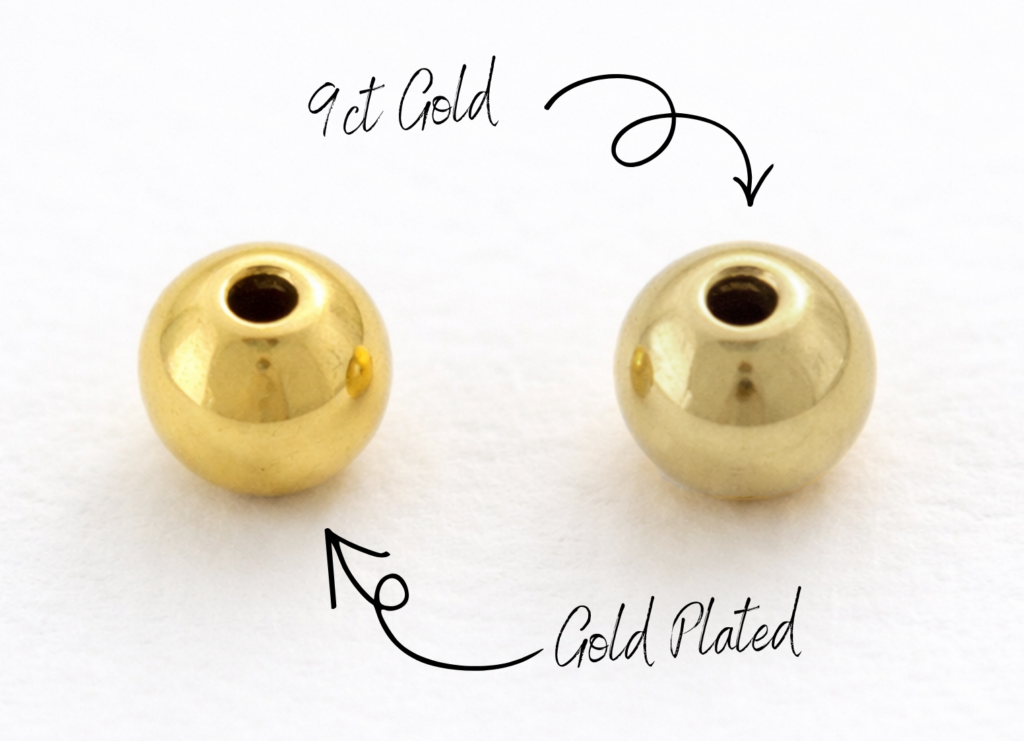
There’s also a very subtle difference in colour. To my eye, silver plated pieces can look slightly more ‘chrome-like’, and gold plating can look a more garish brighter yellow, whereas sterling silver or solid gold has a softer, more natural look to it.
Pros
– Very affordable for beginners
– Huge range of findings available
– Widely available
Cons
– The plating can wear away quite quickly
– Not ideal for pieces meant to last many years
– Can tarnish once the base metal is exposed
– Gold plating can look a garish bright yellow, not like real gold
Copper
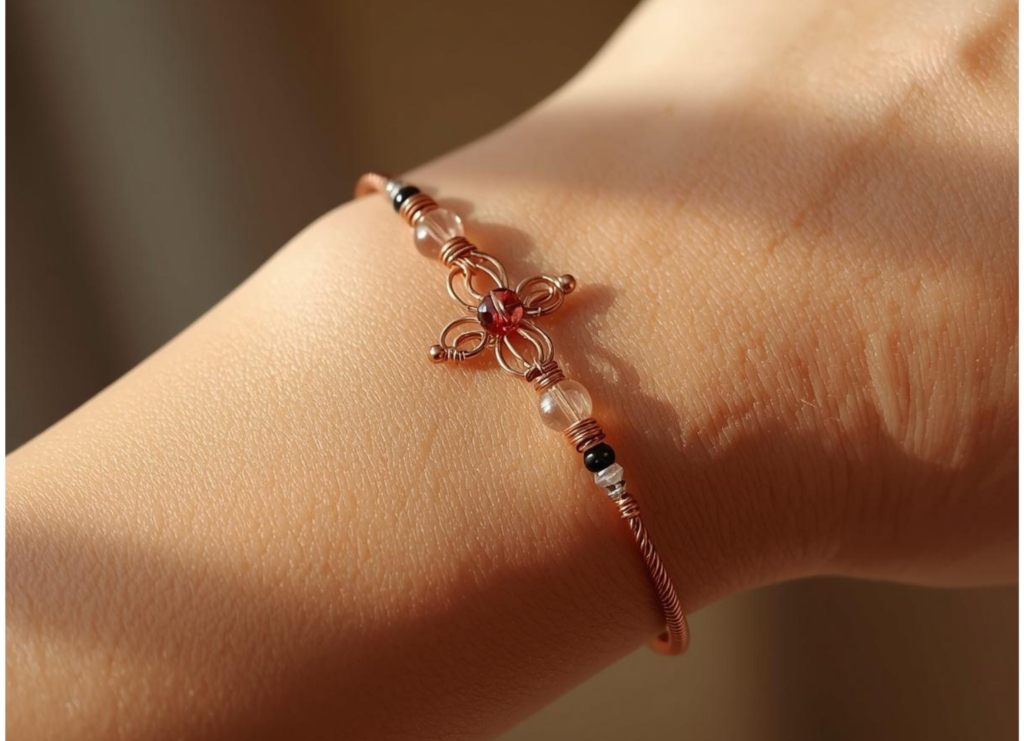
Copper has a distinctive rose tone that gives jewelry a warm, earthy feel, and it has been used in detail for thousands of years. It’s one of the earliest metals humans worked with, and its natural colour pairs beautifully with many bead styles, especially gemstones and glass beads.
For beaders, copper is often used in wire work, and decorative spacer beads. It’s soft and easy to shape, which makes it ideal for makers who enjoy creating more handcrafted detailed elements alongside their beads.
Pros
-Very affordable
-Easy to bend and shape
-Beautiful warm colour
-Excellent for wire wrapping
Cons
-Tarnishes very quickly
-Often leaves green marks on skin
-Needs sealing or polishing to maintain appearance
Brass
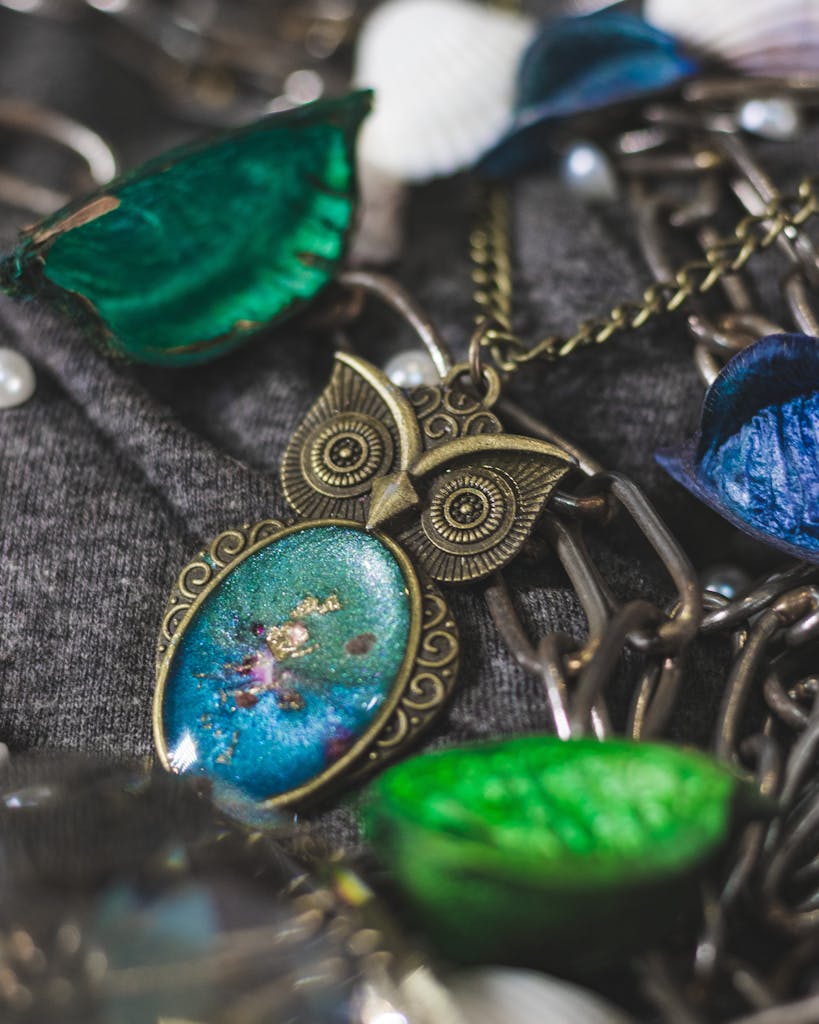
Brass is an alloy made mainly from copper and zinc, and it naturally has that warm golden colour many bead makers love. It’s often the metal you reach for when you want the look of gold without the shocking gold price tag.
For beaders, brass shows up everywhere, charms, bead caps, spacer beads, pendants and decorative findings. It’s particularly lovely in slightly vintage or boho designs, where that soft golden tone works beautifully alongside gemstones, glass beads, and anything with a bit of character. Think less ‘polished perfection’ and more ‘well-travelled jewelry box’.
Pros
-Attractive gold-like color
-Strong and durable
-Much cheaper than gold
-Great for vintage or boho designs
Cons
-Can tarnish over time
-May cause skin discoloration for some people
-Needs occasional polishing
My take:
I actually quite like brass for one simple reason, it has a lovely weight to it. It just feels a bit more substantial in the hand, which can really elevate a piece. On the rare occasion I do use plated components (for example, my jewelry tags), I’ll often choose silver-plated brass rather than something lighter. The brass core gives that extra bit of weight, which helps the piece feel more solid and considered. Sterling silver, while beautiful, can sometimes feel surprisingly lightweight, and that doesn’t always match the perception people have when they pick something up.
It’s not about being deceptive at all, more about creating a piece that feels as good as it looks when someone holds it.
Bronze
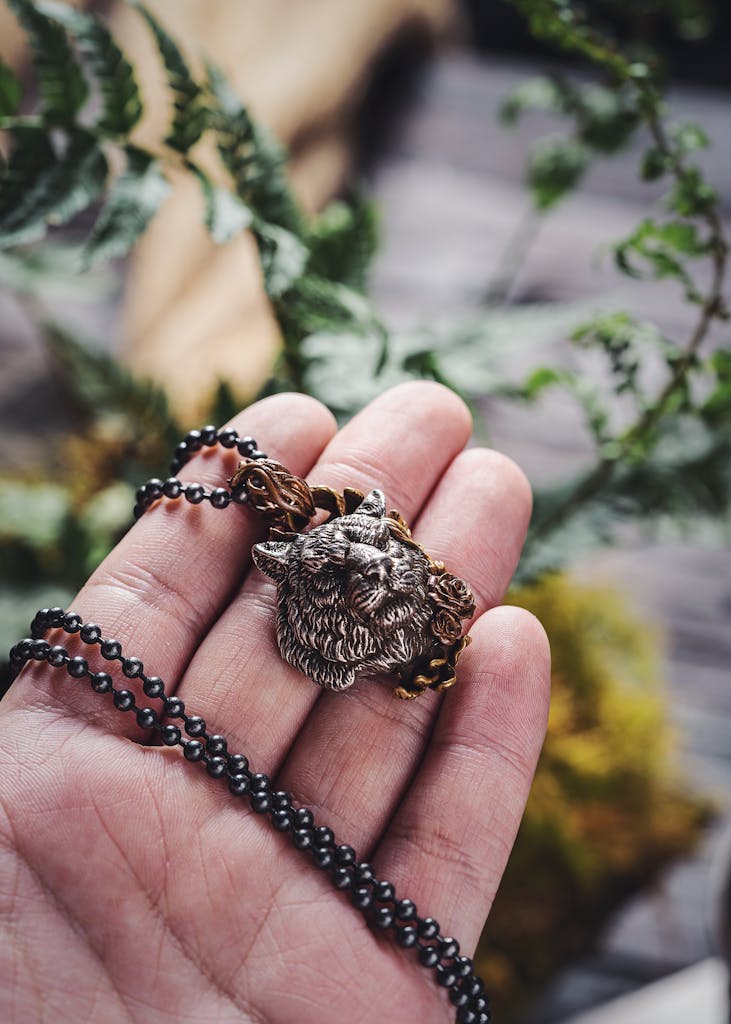
Bronze is another copper-based alloy, usually made from copper and tin, and it has a slightly darker, deeper tone than brass. It’s not as bright or shiny, which actually makes it feel a bit more relaxed and understated.
You’ll often see bronze used in artisan-style bead designs, especially when paired with gemstones or more earthy materials. It works really nicely in pieces that lean a little rustic or vintage, where that slightly aged look adds character rather than trying to look overly polished.
Pros
-Strong and durable
-Beautiful vintage, antique-style color
-Excellent for rustic or handmade looks
Cons
-Can darken and tarnish over time
-May leave marks on skin for some people
-Requires polishing if you want to keep the shine
Sterling Silver 925
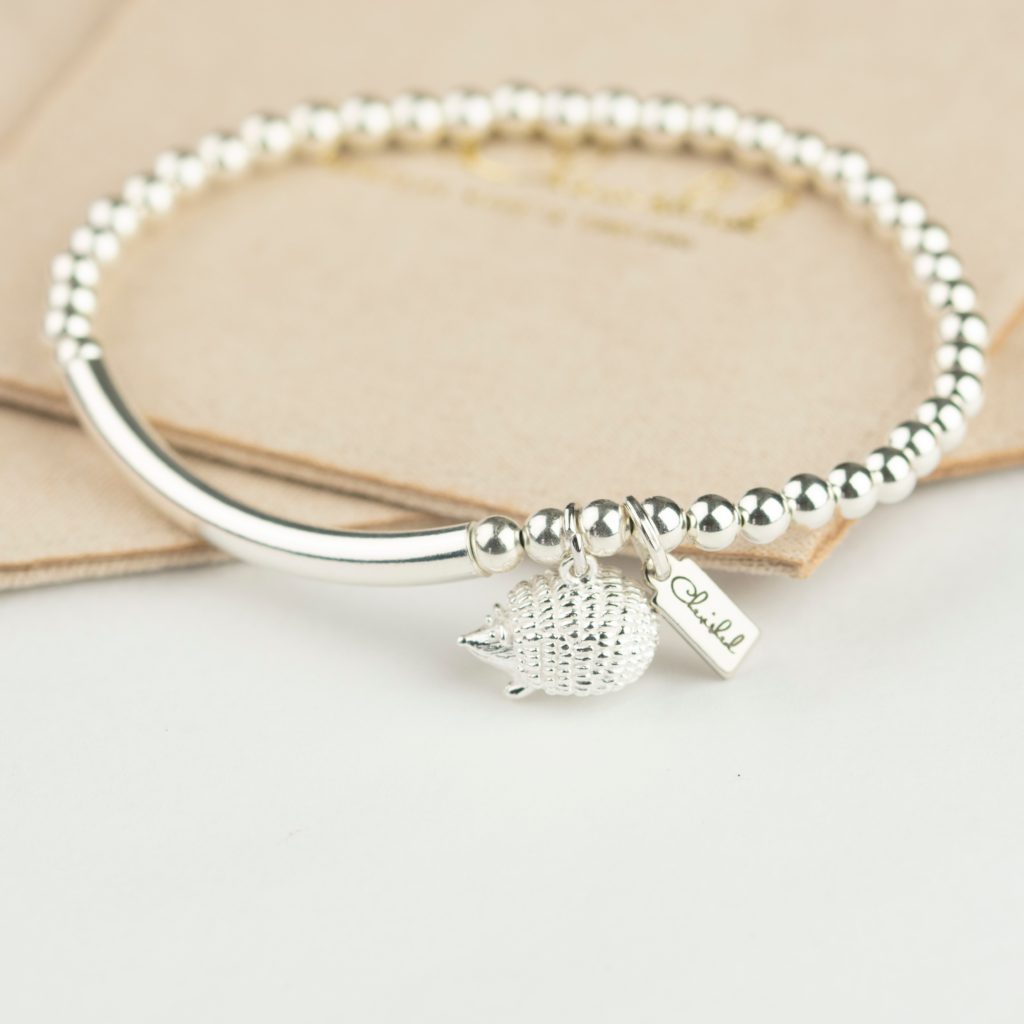
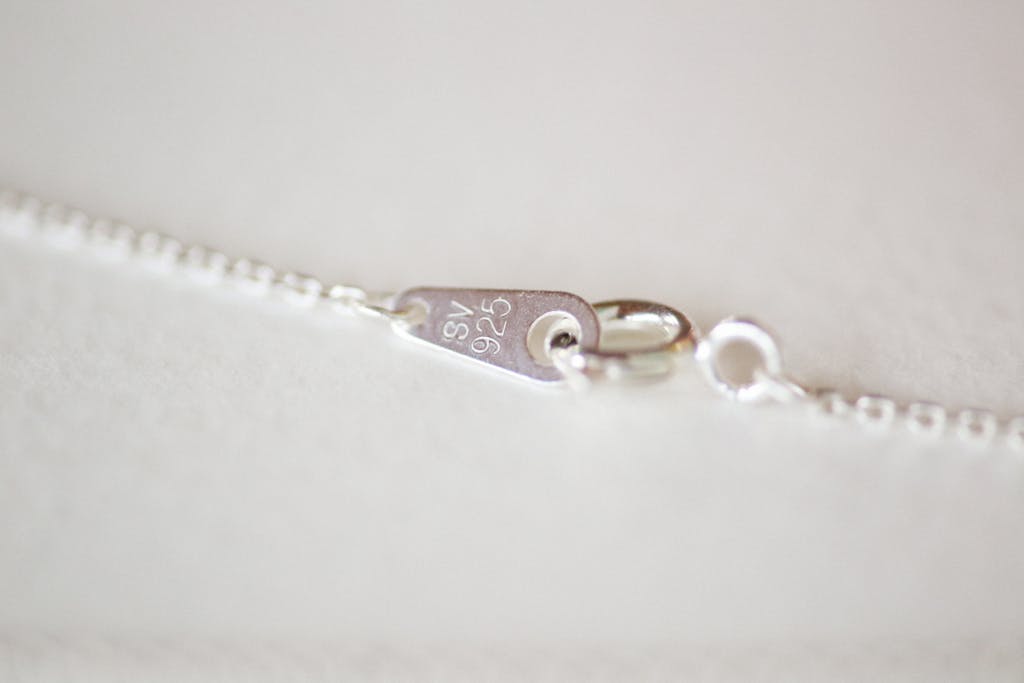
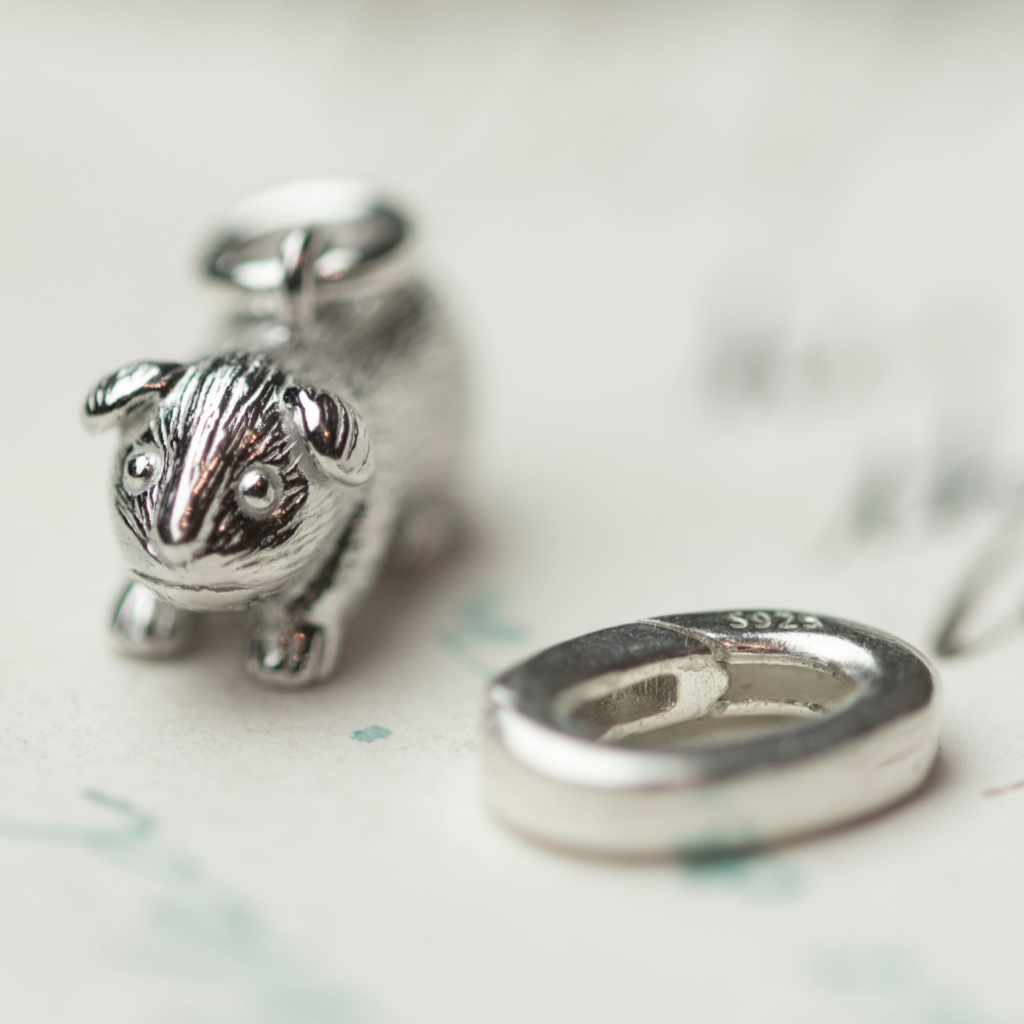
Sterling silver is one of the most widely used precious metals in jewelry making. Traditional sterling silver contains 92.5% silver, which is why it’s stamped 925.
Fine silver is slightly purer (around 99.9%), while recycled silver simply means the silver has been refined from existing sources rather than newly mined.
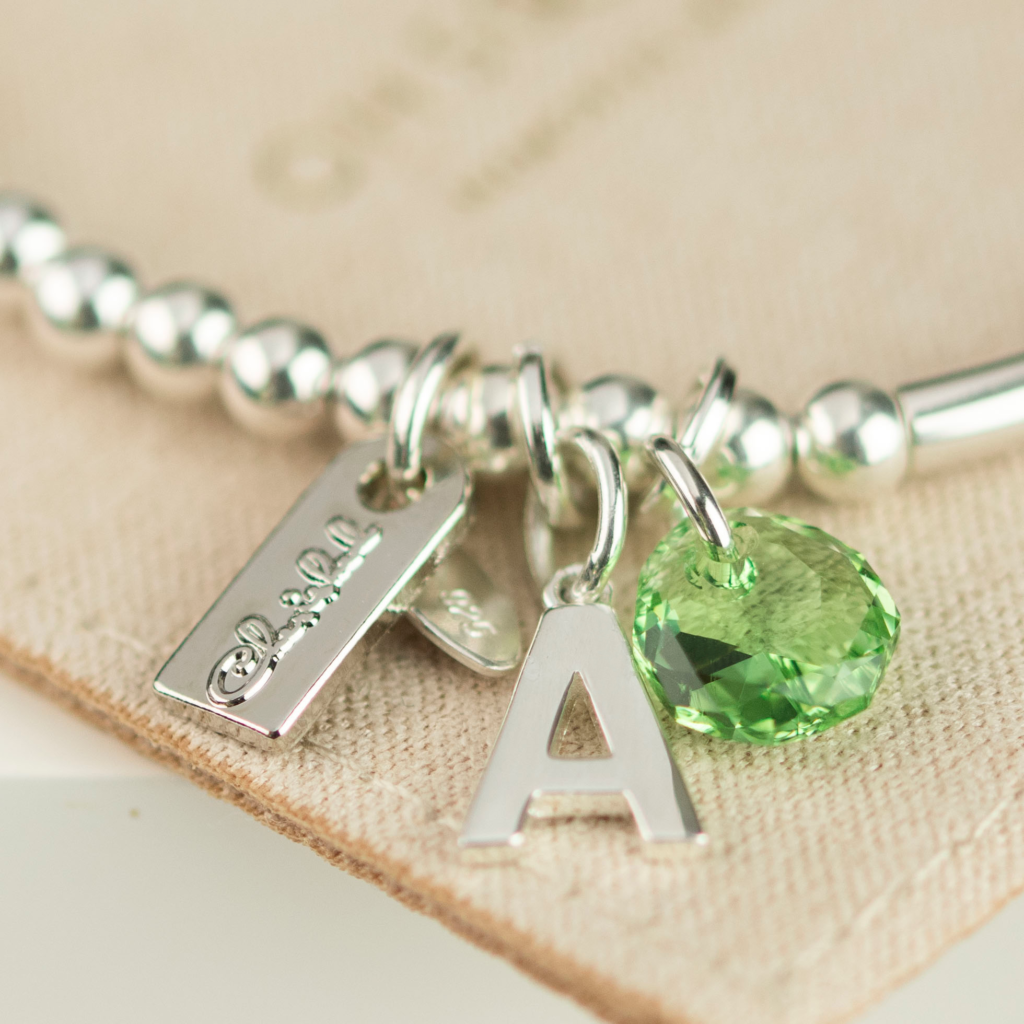
For beaders, sterling silver is commonly used for spacer beads, clasps, crimp covers, headpins and chain.
My take:
Sterling silver is my fave for most of my pieces. It’s a beautiful material to work with and has a quality feel that naturally elevates a design. It’s also widely used and recognised, which helps when you’re selling, people understand what they’re buying. And while it will tarnish over time (as nearly all silver does), it’s a metal that lasts. With a little care it remains beautiful, although in reality not everyone knows how to look after it, so it’s always worth guiding your customers on that.
Pros
– Recognised precious metal that customers trust.
– Bright finish that elevates a piece.
– Long-lasting.
– Can be brought back to life if it tarnishes.
– Widely available in beads, clasps, and findings.
– Even the sad little offcuts you sweep off your desk can have a second life (I’ve shared what I actually do with mine here)
Cons
– As of the time of writing this post, it’s expensive!
– Naturally tarnishes over time
– Scratches easily
– Benefits from occasional cleaning and care
Little observation…
Weight is one of those things you don’t think about…until you pick something up, and then it suddenly matters.
Customers often associate weight with quality or value (whether that’s right or not). The interesting part is that metals like sterling silver and 9ct gold can feel surprisingly lightweight, so a piece can be high quality, but not always feel like it.
It’s just something to be aware of when designing, how a piece looks is one thing, but how it feels in the hand matters too.
Gold Filled
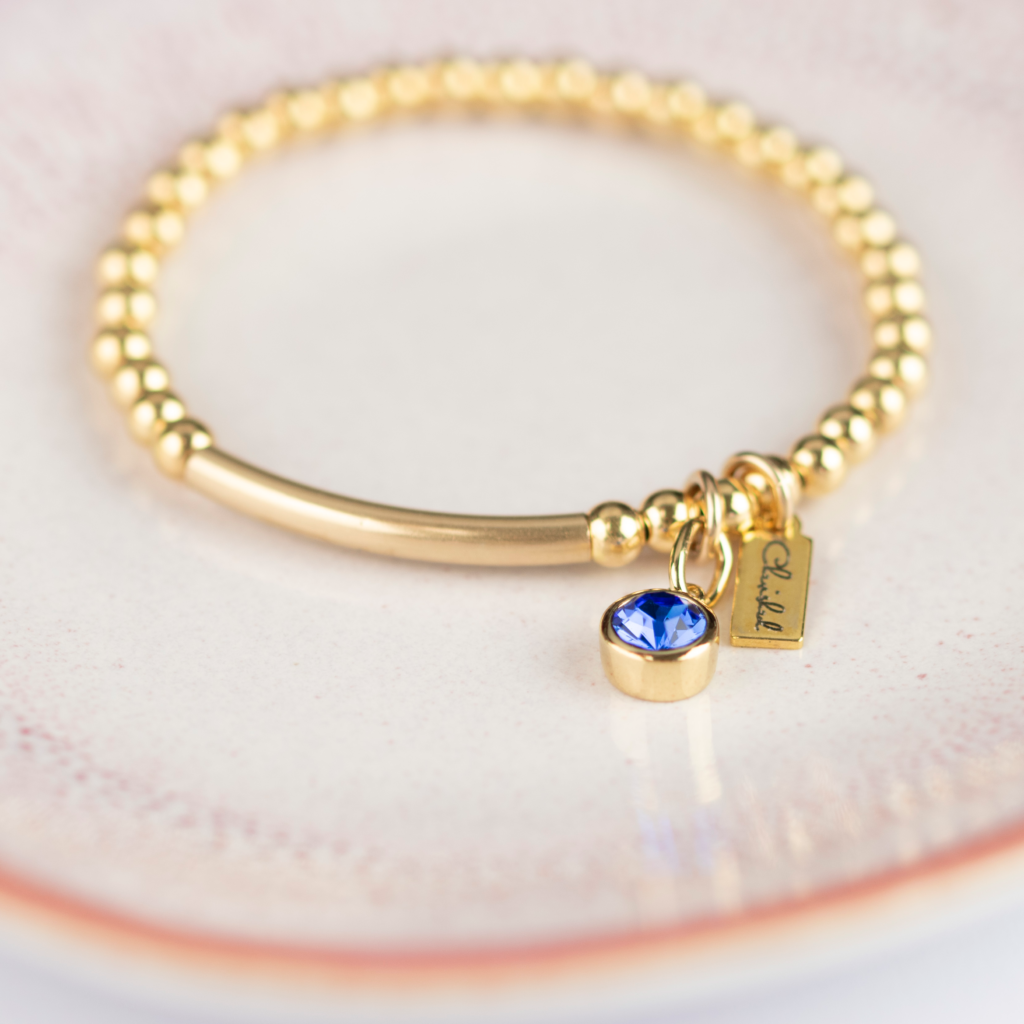
Gold filled components have a much thicker layer of gold bonded to a base metal core using heat and pressure, rather than just being lightly coated on the surface. The core is usually brass, which gives the piece strength and structure, while the outer gold layer is significantly thicker than standard plating. That’s the key difference, it sits in a completely different category to plated metals, and in everyday wear it holds up far better. You get much more of that proper gold look and feel, without the constant worry of it wearing away too quickly.
My take:
I love gold filled. It has a much more natural gold tone, that softer, slightly less saturated yellow you see in real gold, rather than the brighter, almost garish yellow you often get with plating. It just looks more convincing. I also find it wears really well, it doesn’t feel fragile or temporary, which makes a big difference when you’re creating pieces you want people to actually live in, not just wear once or twice.
Pros
-Very very durable compared to plated metals
-Looks and wears similarly to solid gold
-Suitable for everyday jewelry
-Very long lasting
Cons
-Much higher cost than plated metals
-Still not solid gold
Solid Gold
Solid gold (often 9ct/375 in the UK) is made from a gold alloy rather than being plated or bonded. The “375” stamp means it contains 37.5% pure gold, with the rest made up of other metals like copper or silver to give it strength. Pure gold (24k) does exist, but it’s very soft, almost buttery, so it’s not practical for most everyday jewelry. That’s why gold is usually mixed with other metals to make it more durable.
In the UK, 9ct gold is the most commonly used standard for everyday pieces, which is why you’ll see “375” so often. In other countries, especially the US, you’ll more commonly see 14k (58.5% gold) or 18k (75% gold). The “k” stands for karat, which measures how much pure gold is in the mix out of 24 parts. The term “ct” (carat) is simply the UK way of writing the same thing when referring to gold purity, so 9ct and 9k mean the same. Lower karats like 9ct are stronger and more durable, while higher karats contain more gold but are softer and richer in colour. Got it? 🤗
My take:
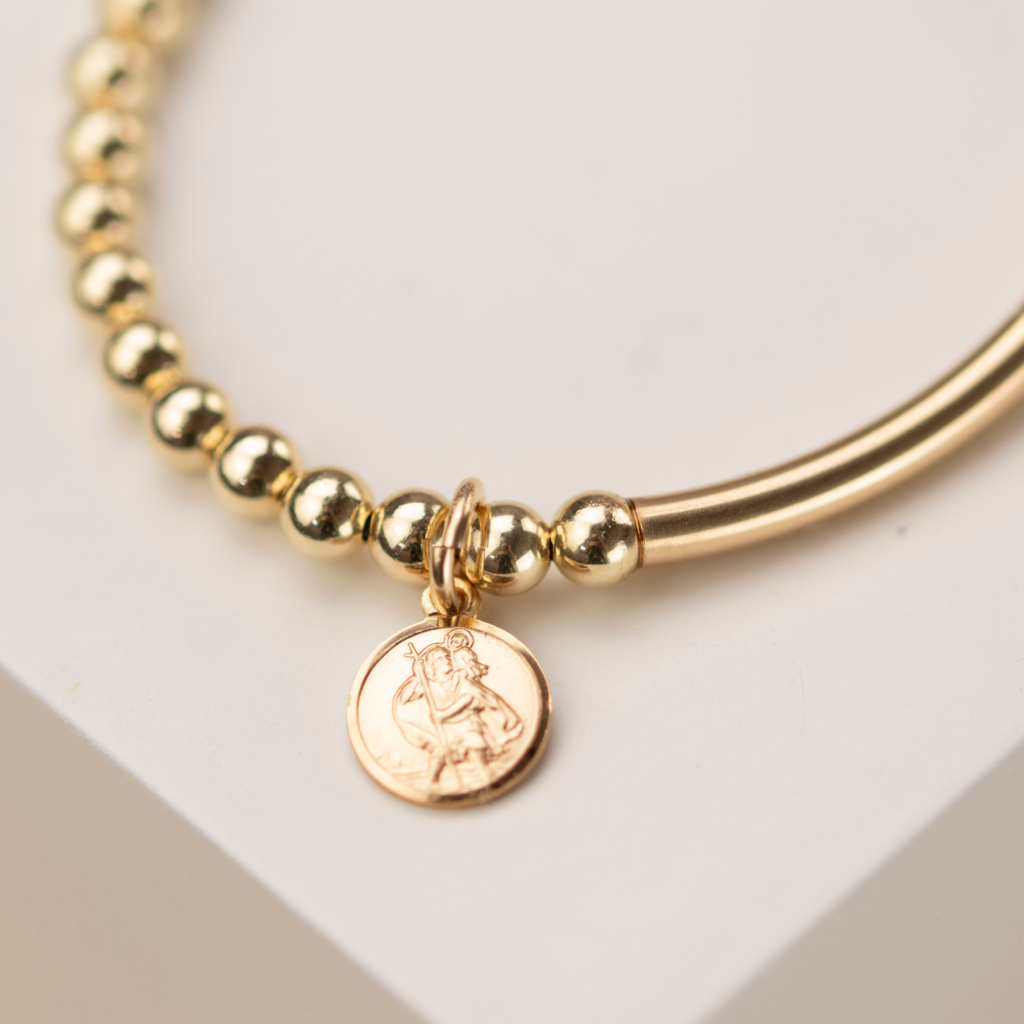
I love solid gold. I tend to use it on a smaller number of pieces, but very intentionally, especially for evergreen designs like St Christophers or crosses that are worn daily and often kept for life. The colour is beautiful, that soft, natural gold tone that just doesn’t need anything extra. The only challenge is the price. As of now, gold has become so expensive that it can be hard for customers to fully understand why a simple gold necklace carries such a high price tag.
Pros
-Precious metal with long-term value
-Extremely durable and suitable for daily wear
-Will not tarnish
-Beautiful, natural gold tone
-Ideal for heirloom or lifetime pieces
Cons
-High cost (and rising!)
-Can be difficult to price for customers to understand
-Softer than some metals (especially higher karats)
-Higher upfront investment for makers
Other types you may have heard of…
Gold Vermeil
A thicker layer of gold plated over sterling silver, making it more durable and higher quality than standard gold plating.
Argentium Silver
A modern type of silver that resists tarnishing (yes really!) far better than traditional sterling silver, thanks to a small addition of germanium, this is something I wish I knew earlier…learn more here!
Gold Plated over Sterling Silver
A thin layer of gold applied to a sterling silver base, nicer than plating over brass, but still prone to wearing over time.
That’s it – metals, demystified!
OTHER RELATED READS
If you’re just starting out, how to choose the best jewelry glue
How to make jewelry that lasts
How I found my jewelry niche and how you can too




Thank you so much for taking the time to educate us on jewelrymaking and the business side of the craft. I have learned a great deal and I also enjoy your writing style. Please continue to write your blog.
Thank you so much, this genuinely made my day ☺️
I’m so glad it’s helping… and also slightly relieved I’m not just talking to myself on the internet while surrounded by beads and a small furry assistant who keeps me company through it all.
It means a lot to know both the jewelry and the business side are helpful.
I’ll absolutely keep going. Thank you for the nudge, it means more than you know.
Sarah
Sarah, I’m so glad you popped up on my Pinterest page! I have become a subscriber and am really enjoying your blog! I love all the detail, instruction and photos. You are inspiring me to remake several of my favorite stretchy bracelets that either broke or have gotten too stretched out. I’ve ordered a few of the supplies you recommend and can’t wait to get started. Thank you for sharing all your wisdom and experience!! It is most appreciated here across the “pond”. I am in La Jolla, CA PS: I have shared your blog with my daughter, Sarah, who also likes to create.
Hi Susan,
This absolutely made my day, thank you so much for taking the time to write.
I’m so happy to hear you’re giving your stretch bracelets a second life, there’s something very satisfying about rescuing rather than letting them retire.
And I love that you’ve shared this with your daughter, that’s exactly the kind of thing jewellery making is perfect for.
Also… La Jolla! I’m slightly jealous, I’ll be picturing you all beading in the sunshine while I’m over here negotiating this British weather and a cat who thinks she’s in charge.
If you ever have any questions while you’re remaking your pieces, or if something doesn’t quite behave as expected – just shout. I’m always happy to help.
Thank you again for such a kind message – it really does mean more than you know.