The Stretch Bracelet Questions I Get Asked Again and Again

Your Most Common little Questions Answered
Stretch Bracelet Elastic Q&A
Can stretch bracelet elastic wear out over time?
Yes of course. Even high-quality elastic gradually loses its stretch after years of wear. If your bracelet starts feeling saggy and baggy or doesn’t spring back into shape like it used to, it’s probably about time to for a little re-string.
Can sunlight or heat damage stretch bracelet elastic?
Yes. Exposure to heat and direct sunlight can gradually weaken stretch elastic over time. Leaving your bracelets on a sunny windowsill, in a hot car, or wearing it regularly in hot tubs and saunas can all shorten its life ☹️
Is thicker elastic harder to knot?
It takes a little more practice. Don’t let that put you off though. A stronger bracelet is well worth the extra time practicing.
Can I use the same elastic for bracelets and necklaces?
I don’t see why not. I don’t personally make necklaces with elastic, but I can’t see any reason why it would fail you or would be a bad idea.
Should beginners buy lots of different elastic sizes?
If you’re just starting out, I’d recommend buying 0.8mm and 1mm elastic first. Between those two sizes, you’ll be able to make the vast majority of stretch bracelets without filling your desk up with elastic sizes you’ll rarely use.
Why do some stretch bracelets feel floppy?
A floppy bracelet is often caused by elastic that’s just a little too thin for the size and weight of the beads. Choosing a thicker elastic that better fills the bead hole can make the bracelet feel much more substantial and less floppy.
Why does my bracelet lose its shape after a few weeks?
This usually comes down to one of three things: poor-quality elastic, elastic that’s too thin for the weight of the beads, or the bracelet being overstretched every time it’s put on. Choosing a quality elastic and the correct thickness will help your bracelet keep its shape way longer.
Why does my stretch bracelet feel cheap, even though I used expensive beads?
It’s often the elastic. Many beginners focus entirely on the beads, but the elastic plays a huge role in how a bracelet feels. If it’s too thin, the beads can wobble from side to side, making the bracelet feel loose and less substantial. Choosing the thickest elastic your bead holes will comfortably allow instantly gives a bracelet a firmer, more professional feel. Read my other blog post on choosing the right elastic thickness.
Should stretch bracelet elastic feel tight before I tie it?
Not really. The elastic should be stretched slightly while you’re tying the knot to remove any slack, but it shouldn’t be pulled so tightly that the bracelet has no movement.
Can I mix different bead sizes on the same elastic?
Yes! Just remember that the smallest bead hole determines the maximum elastic thickness you can use. If you’re combining 4mm and 12mm beads, you’ll need an elastic that comfortably passes through the 4mm beads first.
Can stretch bracelet elastic become brittle with age?
Yes. Even the best elastic won’t last forever. Heat, UV light, body oils and constant stretching all gradually weaken the material. If a bracelet is several years old and worn regularly, it’s often worth replacing the elastic before it fails so you don’t lose your beads.
Should I buy one good elastic or lots of different brands?
I’d recommend finding one quality elastic that you like using and trust and learning exactly how it behaves. After making thousands of bracelets, I’d much rather know one elastic inside out than constantly switch between brands that all stretch and knot slightly differently.
Why is my elastic fraying?
Fraying can possibly be down to the type of elastic you’re using. Floss-style elastic, which is made from lots of tiny fibres, is more prone to fraying over time, especially with regular wear. A smooth solid jewelry elastic, such as Beadalon Elasticity, is much more durable and less likely to wear through.
Which elastic lasts the longest and is the best?
My personal favourite is Beadalon Elasticity Elastic 1mm because it’s so strong, durable and holds its stretch super well. Combined with a good knot and a little glue, it makes bracelets that can last for years
…yes years!
Can I double my elastic?
Yes, you can double your elastic, but it’s not always necessary. It can add extra strength for heavier beads (like 10mm – 12mm beads), but it also makes the knot much bulkier and harder to hide. In many cases, using a slightly thicker elastic like a 1mm is absolutely fine for a 12mm bead.
Stretch Bracelet Knots Q&A
What’s the strongest knot?
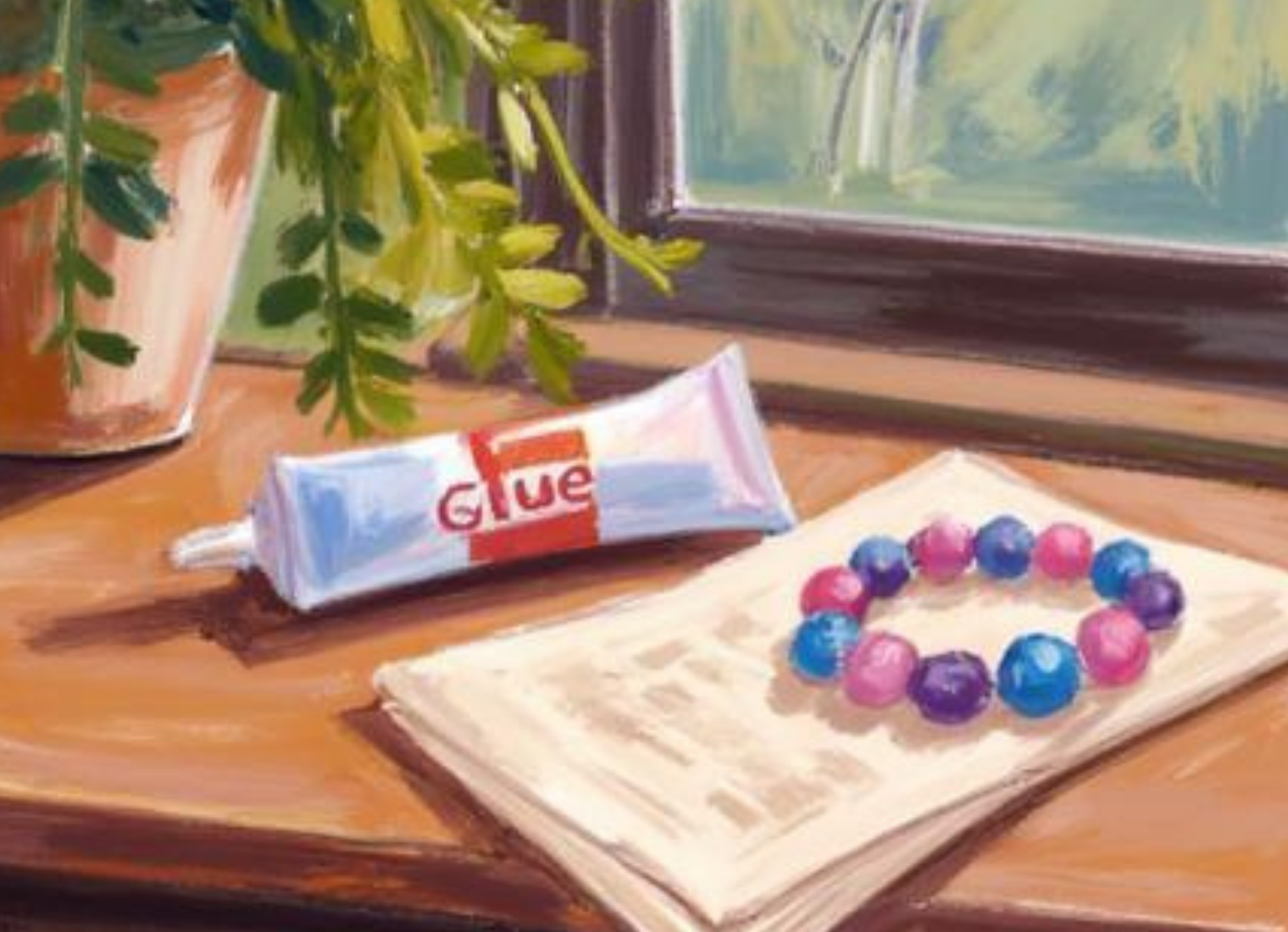
A surgeon’s knot is one of the strongest and most reliable knots for stretch bracelets. Pull it tight (I always do 2 knots) add a teeny tiny drop of glue, and allow it to dry overnight before trimming the ends.
Should I glue the knot?
Yes, I always recommend gluing your knot. A teeny tiny drop of glue helps prevent the knot from loosening with repeated wear.
What glue should I use on my knot?
I use a couple of different glues. Choose a flexible jewelry adhesive that’s suitable for elastic cord is one option. I use G-S Hypo Cement because it dries clear and is easy to apply in small amounts. I also use this High Strength Glue and have very few issues with breaks if a miniscule amount is applied.
How long should the glue dry?
I always leave my bracelets overnight to dry before wearing or sending out. This gives the glue plenty of time to cure properly. It might be tempting to wear it sooner or send out to a customer sooner… but no!
Been there done that…and got the bad review 😕
How do I hide the knot?
The easiest way is to gently pull the knot inside a bead with a slightly larger hole. This keeps it hidden and gives your bracelet a much neater, more professional finish.
Can I use crimp covers on elastic to hide my knot?
Some makers say no, but I use them on all of my own stretch bracelets with no issues at all. A correctly sized crimp cover hides the knot beautifully and creates a smooth, professional-looking finish. Learn how here – Knot Hiding Techniques That Elevate Your Jewelry
More Stretch Bracelet Q&A’s
Does bead hole size matter more than bead size and weight?
Surprisingly, yes. Two 8mm beads can have completely different hole sizes depending on how they’re manufactured. I always choose my elastic based on the hole size first, then consider the bead weight after that.
Can you use silver dip cleaner on stretch bracelet?
I wouldn’t recommend it. Silver dip cleaner could weaken the elastic over time and may also affect the glue securing the knot. Instead, polish the silver with a jewelry polishing cloth to keep your fine metal bracelets looking their best without shortening their life.
Can I use any beads?
I think pretty much any beads can be used for stretch bracelets, but some are better than others. Always check that the bead holes are smooth, as rough or sharp edges can wear through the elastic, you can always use a bead reamer to smooth your beads. If you’re using heavier gemstone beads, choose a good quality elastic that’s designed to support the extra weight. But go wild experiment!
How do I work out bracelet size?
The easiest way is to measure the wrist with a tape measure, then add around ½ to 1 inch (1–2.5cm) depending on how loose you want the bracelet to fit. You can also count your beads as you go and test the fit before tying the knot. To learn how visit – Measuring Your Bracelets The Right Way article.
Do I need to use spacer beads?
Sterling silver, gold filled and high-quality metal spacer beads are my prefered choice. They add a professional finish compared to cheaper plated, plastic or acrylic alternatives. Just make sure the bead holes are smooth so they don’t damage your elastic. For more on spacer beads read – Spacer Beads, My Tiny, Shiny Obsession
Why does my stretch bracelet look wobbly after making it?
A slightly wobbly bracelet simply means your elastic is just not quite thick enough for your bead. Maybe increase the thickness a little if you are able.
Is it worth making more expensive stretch bracelets, and do they sell?
Yes absolutely! My own jewelry business is built around premium stretch bracelets, and I sell hundreds every month. My bracelets retail between £46 and £69 each, proving that customers are happy to pay more for beautiful design, quality materials and excellent craftsmanship. The key is creating a bracelet that looks and feels worth the price.
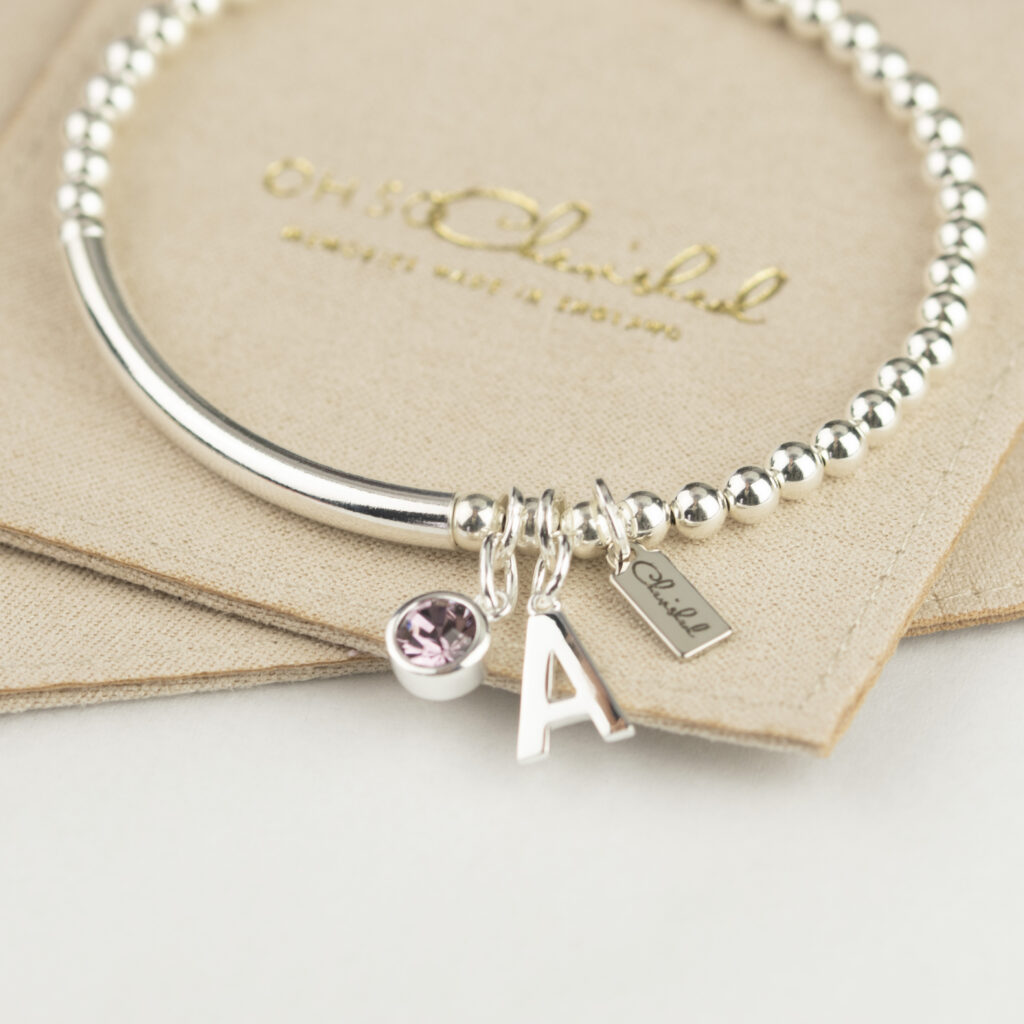
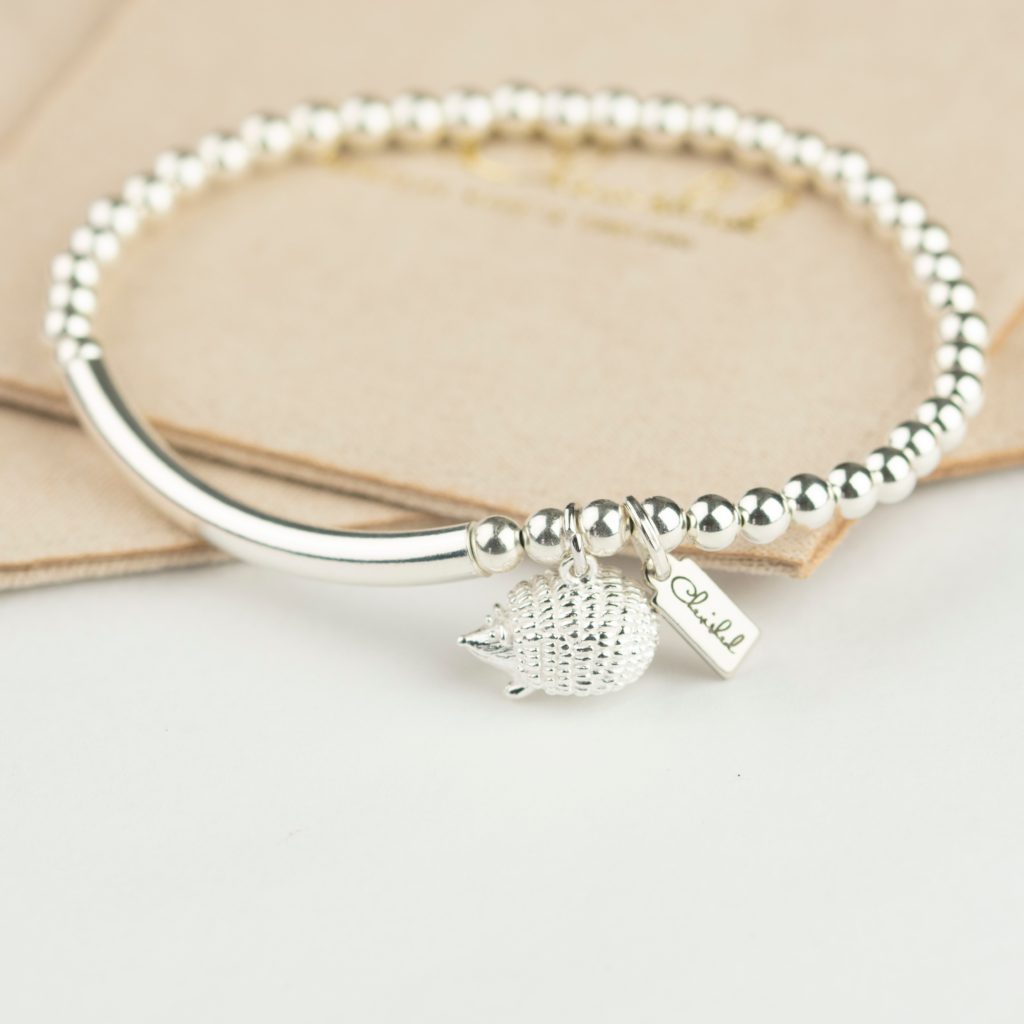
How do I make my bracelet look more professional?
Small finishing touches make the biggest difference. Use high-quality beads and findings are really key, rather than plastic, plated and acrylic/plastic options choose, fine metals, stone, glass, gemstones, ceramic. Ensure your metals are colour matched. Hide your knot neatly in a crimp cover, and more importantly choose a good quality elastic and thickness that gives the bracelet a smooth drape. Try introducing charms, lockets, spacer beads, brand tags, It’s often these little refinements that transform a bracelet from looking homemade to beautifully handmade.
One little thought …
I built a seven-figure jewelry business selling stretch bracelets. It wasn’t because I had secret beads or magic elastic. It was the small refinements that most jewelry makers overlook. If you’d like to learn those little techniques, you’ll find them all in my Stretch Bracelet Upgrade Guide.
Enjoy making!